


Regional Agricultural Trade: West Africa’s Hidden Powerhouse
A Contribution by Pierre Pascal Cerdan Castagnola
Every day, food moves quietly across West Africa’s borders. Most of it never appears in official statistics, yet it sustains cities, supports farmers and stabilises markets. Understanding this regional trade is essential for strengthening food security and resilience.


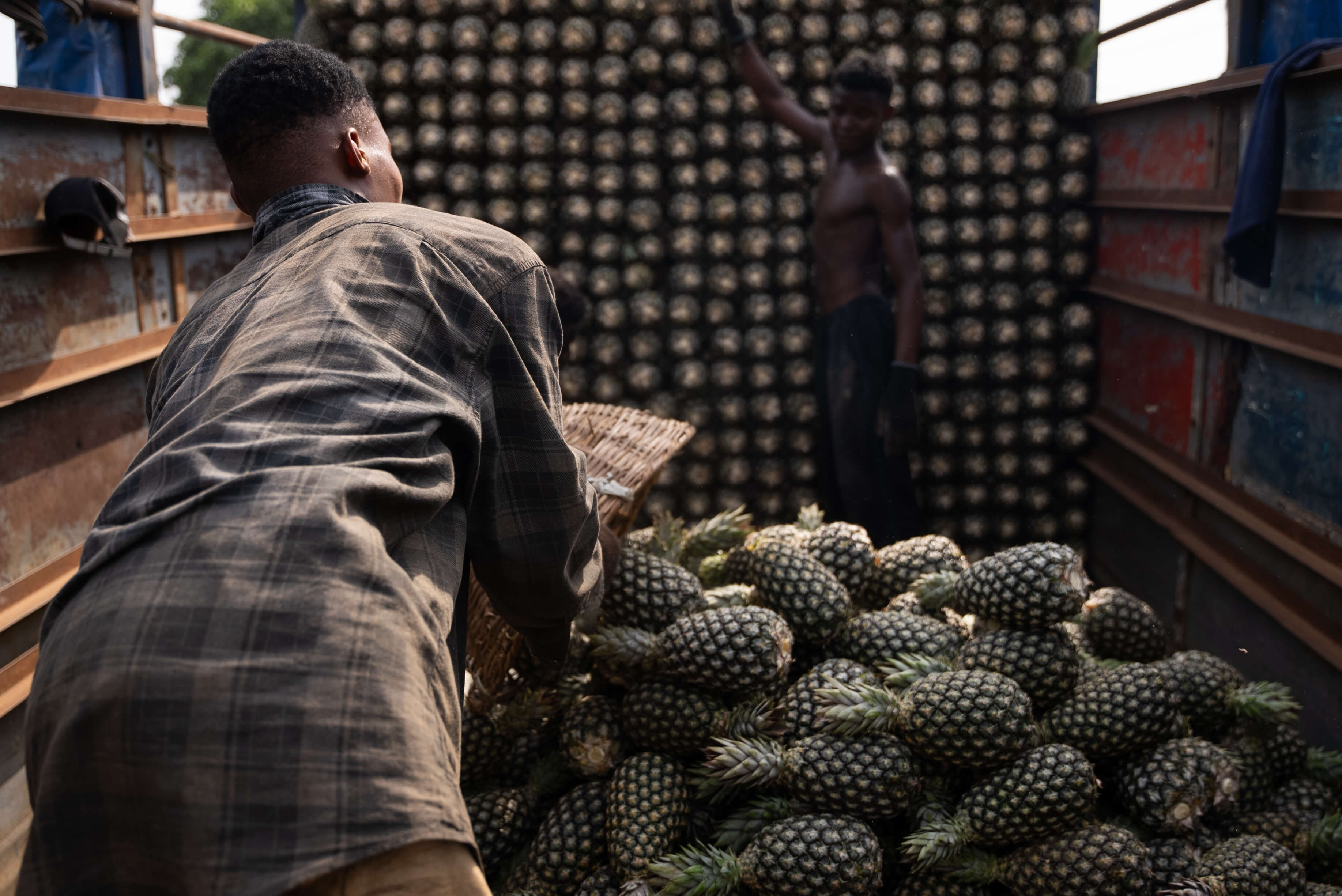
In the markets of Tamale in northern Ghana, tomatoes are piled high even during the lean season, when local harvests thin out. Few shoppers would guess that most of them have travelled hundreds of kilometres from farms across the border in Burkina Faso. What looks like a local market is, in fact, supported by a regional food network that reaches well beyond national borders.
For decades, cross-border agricultural trade in the region has been described as fragmented and economically marginal. Because many transactions bypass formal customs systems, they remain statistically invisible and therefore politically underestimated. However, new evidence challenges this narrative. An estimated 85 percent of intra-regional food trade is not captured in official statistics.
In reality, food trade within West Africa amounts to roughly USD 10 billion each year, about six times higher than official figures suggest.
When major export commodities such as cocoa and cashew are excluded, nearly 60 percent of West Africa’s food exports remain within the region. For one third of the countries, neighbouring states are the most important export markets. Regional markets are not a side note to global trade. They are central to economic stability, rural incomes and urban food supply.
Feeding Cities and Regions
The numbers tell a powerful story. Each year approximately 68 trillion kilocalories are traded across borders within West Africa. That is enough to meet the annual energy needs of around 80 million people, nearly one quarter of the population. But beyond the scale lies something more important: what is being traded. The bulk of informal exchange consists of staple foods and nutrient rich products such as cereals, roots, tubers, vegetables, fruits and animal products. Around three quarters of the calories exchanged stem from staple crops and protein rich foods. These are not luxury goods. They are the daily foundation of meals in both rural villages and fast-growing cities.
Regional trade smooths also seasonal shortages. During lean periods, imports from neighbouring countries can account for up to 90 percent of tomato supply in northern Ghana. In Bamako, close to one third of food consumption depends on regional supply chains. When harvests fail in one area, food often arrives from another. In a region increasingly affected by climate variability and insecurity, these flows provide a form of practical resilience.
Trade Built on Networks and Informality
West Africa’s food trade runs on relationships as much as on roads. Countries trade with multiple partners across the region. Traders rely on experience, trust and long-standing commercial ties. Market information often travels through personal networks faster than through formal systems.
Thousands of traders, many of them women, make this system work. They coordinate transport, manage risk and adapt quickly to changing conditions. Informality gives them flexibility but also reflects barriers. Limited access to credit, insurance and formal registration restricts opportunities for business expansion and investment. Women traders, who are strongly represented in regional food markets, are particularly affected by these constraints.
Barriers and Opportunities
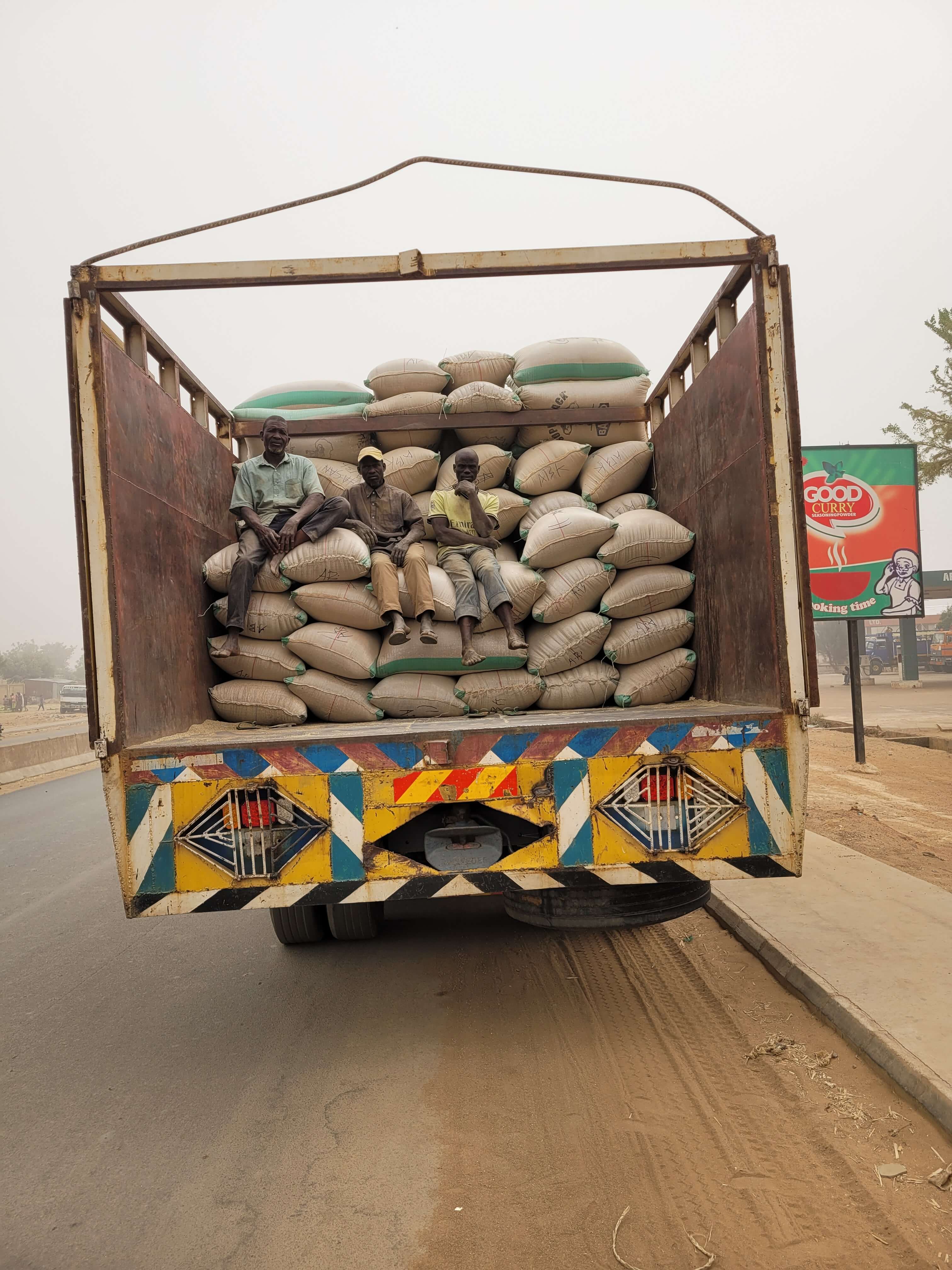
Despite its scale, intra-regional trade continues to face persistent barriers. Traders report inconsistent border procedures, administrative burdens and informal fees that increase costs and uncertainty. Inadequate transport infrastructure, insecurity and restricted access to finance further limit efficiency and growth. Access to affordable credit remains one of the most frequently identified challenges.
Reducing these obstacles is central to strengthening regional food systems. Improvements in transport corridors, harmonised standards and greater transparency at border crossings can enhance reliability and lower transaction costs. Expanding access to financial services can enable traders and producers to invest in storage, processing and value addition. Better data is equally critical. As long as most regional food trade remains statistically invisible, policies risk misjudging both vulnerabilities and strengths within the food system.
A Regional Perspective on Food Security
West Africa’s food economy is expanding rapidly. Urbanisation, population growth and rising incomes are reshaping demand. By 2030, the regional food market is projected to reach USD 480 billion. Consumers increasingly seek diverse and nutritious foods.
In this context, meeting food security cannot be understood solely within national borders. Export bans may offer short term relief during crises, but they can disrupt regional supply chains and erode trust. Stronger regional cooperation offers a more durable path. Coordinated policies, shared trade standards and infrastructure, and reliable data systems can help stabilise food availability within the region.
Intra-regional agricultural trade is not a marginal phenomenon. It is a multi-billion-dollar economic reality that feeds cities, supports rural livelihoods, and strengthens resilience against global shocks. Recognising this reality is a necessary step toward food systems that are stable, inclusive and prepared for future challenges.
The evidence presented here is based on a comprehensive analysis of recorded and unrecorded trade flows across West Africa. It draws on the study “Intra-regional Food Trade in West Africa: New Evidence, New Perspectives”, conducted by the Sahel and West Africa Club of the Organisation for Economic Co-operation and Development (OECD/SWAC) within the framework of the GIZ regional programme ECOWAS Agricultural Trade (EAT), commissioned by the German Federal Ministry for Economic Cooperation and Development (BMZ). By combining official statistics with data on informal cross-border trade the study consolidates previously fragmented information and offers a robust new evidence base on intra-regional food trade in the region.