


Stronger International Cooperation for safe food in supermarkets
For many people in Germany, food from all over the world is a given part of everyday life. To ensure that products such as bananas from Ecuador, avocados from Mexico or basmati rice from India can be traded safely, international standards are needed – which is why Germany is working alongside partners in the Standards and Trade Development Facility under the auspices of the World Trade Organization.




German development cooperation supports its partner countries in complying with food standards in international trade. This is important for us to be able to shop with a clear conscience, so that German companies can rely on the quality of their products, and producers gain fair access to international markets. For this reason, Germany is engaged in the Standards and Trade Development Facility (STDF), a global partnership hosted by the World Trade Organization.
Bananas and shrimp from Ecuador, avocados from Mexico, basmati rice from India, table grapes from South Africa – many of the foods in our supermarkets come from around the world. Whether fresh or processed, before they reach our plates they have travelled a long way across oceans, borders and inspections. To ensure that fresh and safe food and agricultural products can be imported into the European Union and Germany – and that German agricultural and food products can also be exported worldwide – clear rules are needed. These rules are known as sanitary and phytosanitary standards, or SPS standards, and they are anchored as references in the international trade law of the World Trade Organization. The WTO recognizes the standards of the Codex Alimentarius Commission, the World Organisation for Animal Health and the International Plant Protection Convention as international benchmarks.
Standards for food safety as well as animal and plant health form the invisible foundation of international agricultural and food trade: often unnoticed by consumers, yet with major significance for public health and the smooth functioning of global supply chains. SPS standards prevent pests and diseases from spreading through trade in food, plants and animals, thereby protecting ecosystems and agriculture alike. At the same time, they help safeguard our health: for example, they define internationally accepted maximum residue levels for pesticides, veterinary medicines, heavy metals and other contaminants.
The fact that we can safely consume food produced in other countries without risking our health is therefore no coincidence. It reflects both the strength of globally recognized SPS standards and the ability of exporting countries to apply them consistently. SPS standards also create a shared understanding among national authorities and certification bodies. Their implementation benefits not only consumers but also businesses, which can rely on imported raw materials and goods meeting the required standards. For SPS standards to be effective, reliable controls are needed both in the country of origin and when goods enter the European Union (EU). In Germany, the Federal Ministry of Agriculture, Food and Regional Identity (BMLEH), together with the European Commission and EU Member States, contributes to the development of harmonized European rules aligned with international SPS standards. Responsibility for carrying out specific controls at the EU’s external borders, such as ports and airports, lies with Germany’s federal states.
For many developing and emerging economies, SPS standards represent a major challenge. If they are not met, exports are halted, often with serious consequences for producers, businesses and entire regions. At the same time, these countries must protect their own populations, as they also import food as well as animal and plant products. In the past, the spread of pests or diseases has repeatedly led to health problems, significant crop losses and considerable economic costs.
The German Federal Ministry for Economic Cooperation and Development (BMZ) supports developing countries through numerous projects that enable them to participate in international agricultural and food trade or in regional trade in Africa and Asia. This support creates jobs, increases incomes and strengthens food security. The German Federal Ministry of Agriculture, Food and Regional Identity (BMLEH) also promotes projects related to international and regional trade in agricultural products and food. Together, both ministries help partner countries build SPS capacities so they can comply with international standards, establish functioning supply chains and develop reliable trade relationships on equal footing. This benefits producers in partner countries as well as businesses and consumers in Germany, the European Union and beyond.
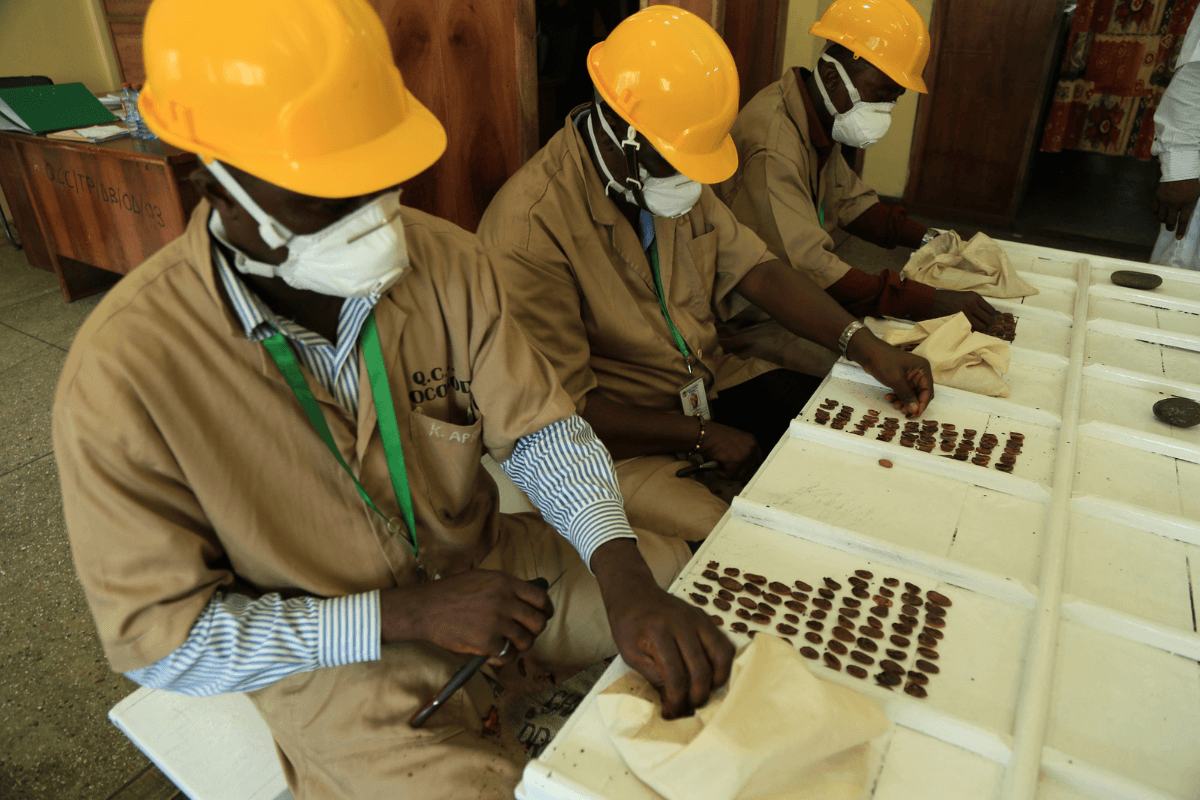
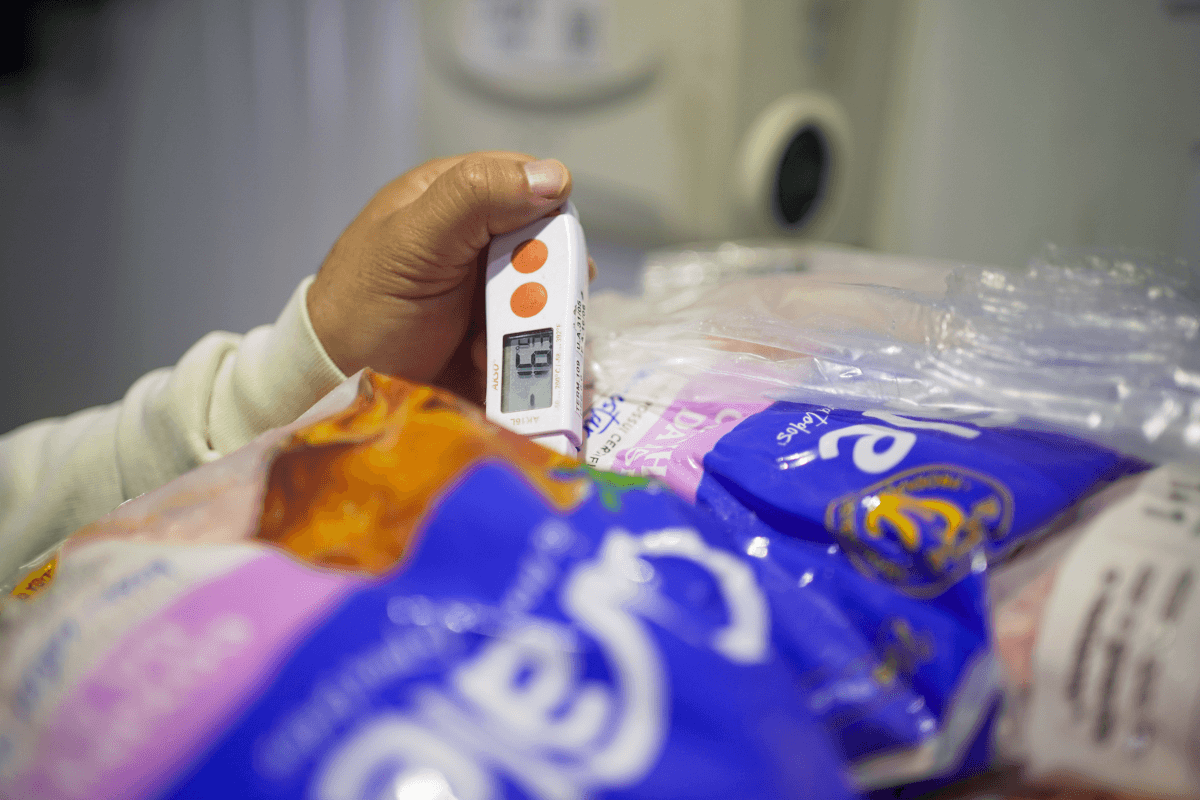
Since 2020, BMZ and BMLEH have also been working closely together through the Standards and Trade Development Facility (STDF), a multilateral initiative within the World Trade Organization. In line with the Sustainable Development Goals, the STDF supports developing and emerging economies in putting international SPS standards into practice through innovative, demand-driven and scalable capacity-building projects and through knowledge exchange. The partnership builds on synergies with governments and international organizations. Its goal is straightforward but powerful: to enable safe, fair and inclusive trade. Improved regulatory frameworks and stronger capacities in the public and private sectors to comply with standards make agricultural and food trade safer, faster and more cost-effective, while also reducing food loss and waste. These improvements benefit exporters and contribute to global food security and healthier diets.
The STDF stands out in particular for its collaborative approach to practical SPS innovation. One example is the ePhyto solution, which replaces paper-based phytosanitary certificates with digital ones. The project began on a small scale, and today nearly 100 countries actively exchange ePhytos. In 2025 alone, 3.5 million certificates were transmitted electronically. The system significantly lowers trade costs and can save individual exporters up to 200,000 US dollars per year. At the same time, it reduces environmental impact by cutting about 8.4 kilograms of CO₂ emissions per certificate. Early support from the STDF for ePhyto has also helped trigger further digital initiatives, including a new pilot project on electronic veterinary certificates for trade in animals and animal products
“No country can address SPS challenges alone. The Standards and Trade Development Facility brings together countries, expertise and experience so that international standards become opportunities for development rather than barriers to trade,” says Marlynne Hopper, Head of the STDF.
Within the STDF, the BMLEH contributes its technical expertise in the SPS field, while the BMZ brings in experience and perspectives from partner countries around the world. Germany is therefore a reliable international partner and an important donor to the STDF. In 2025, Germany held the chair of the STDF Working Group and, together with members of the World Trade Organization and other partners, helped initiate the implementation of the STDF Strategy 2025–2030.
“Safe food and reliable trade do not happen automatically. They require clear rules, trust and international cooperation. Through its engagement in the STDF, Germany is making an active contribution,” says Marie-Luise Rau of the BMLEH, Chair 2025 of the STDF Working Group.