


Haki Ardhi land rights reporting tool - A path to gender-responsive climate action
A Contribution by Frederike Klümper, Ilse Pelkmans, Joanna Trimble
Climate pledges require vast swaths of land to reach global goals on climate, biodiversity and restoration. But the land committed to those ventures isn’t empty. Women in particular are set to face a perfect storm of obstacles, both social and political, to overcome climate change impacts and the effects of a growing demand land for land-based measures. Securing women's land rights is crucial key to unlock gender equality and propel community resilience.

Women’s land rights form the basis for just climate action
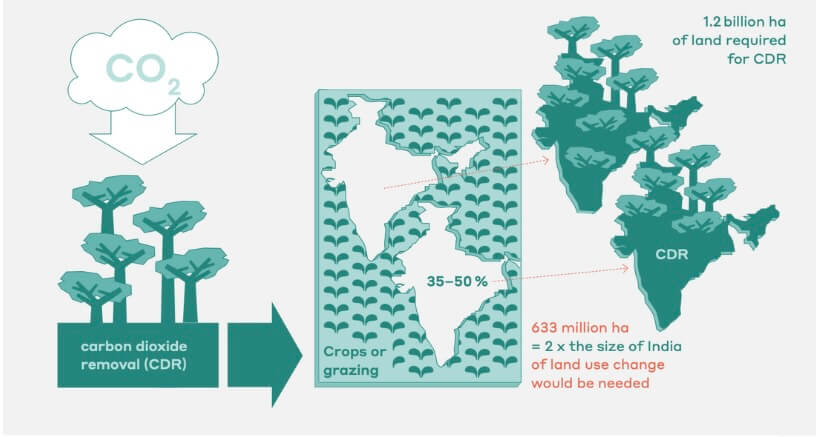
Climate change and climate action have a profound impact on land use and land rights. Countries’ climate pledges requiring the allocation of one billion hectares of land for carbon removal highlight the magnitude of this venture. But the land committed to achieving climate targets is not empty. It is often already stewarded by Indigenous Peoples and local communities, who disproportionately face exploitation, displacement and land conflicts. Therefore, an important piece of this puzzle is regularly overlooked in climate action. Secure land tenure can act as an indispensable foundation for tackling the climate crisis and gender inequality.
Moreover, worldwide, there are about 450-500 million smallholder farms,¹ upon which around 2.5 billion people rely for their livelihoods.² Women comprise an estimated 80 percent smallholder farmers globally,³ and are heralded for producing half the world’s food.⁴ Yet, less than 20 percent of landowners are women.⁵ This glaring disparity highlights a significant issue: while women are recognised as vital to food security and land management, their control and decision-making power over land they depend on, is systematically undermined. Systematic access to justice and redress mechanisms that foster solutions are often missing.
Women are powerful agents of change, and secure land rights are an important prerequisite for their self-determination.
Haki Ardhi: A model for access to justice and accountability
In response to the urgent need to develop new solutions to meaningfully address gender-responsive climate action, TMG Research, in collaboration with Kenya Land Alliance and Rainforest Foundation UK, developed the digital land rights reporting tool, Haki Ardhi, meaning ‘land justice’ in Swahili. Haki Ardhi is an innovative tool that takes a holistic approach to providing access to justice and fostering accountability. It enables women to report land rights violations either in-person or through a toll-free, automated SMS hotline and connects them with paralegals and community workers. The SMS option makes reporting on rights violations safe and accessible to all by minimising the potential conflict risks arising from reporting violations in person. Haki Ardhi also supports a bottom-up monitoring and reporting system that enables women-led grassroots organizations to utilize tenure violations data to advocate for stronger government accountability, including in the context of land-based climate measures.
First evidence of how Haki Ardhi was used in Western Kenya, Kakamega:
Land rights must be the foundation of international climate agreements
TMG Research is committed to ensuring that access to justice, such as facilitated by Haki Ardhi, is a central feature of land-based climate action, such as carbon markets, afforestation and reforestation. This requires that land rights are the basis for safeguarding the rights of communities affected by the impacts of climate change and land-intensive mitigation projects.
Indeed, land rights should be treated as the invisible roots of the three Rio Conventions.
They unite each convention in the pursuit of a human rights-based approach to achieving global goals on climate, biodiversity and restoration. However, while land rights have yet to be mainstreamed in the implementation of each convention, the recognition of the importance of land rights is gaining ground. This includes the progressive role of the UN Convention to Combat Desertification (UNCCD) in this endeavour. In particular, under Decision 26/COP.14, Parties to UNCCD made specific links between the principles of responsible land governance and the implementation of land degradation neutrality targets.
How can we further advance women’s land rights across the Conventions?
In 2024, all three Rio Conventions will hold Conferences of the Parties (COPs). Likewise, UNCCD will carry the land rights torch during its 30th anniversary celebration and on World Desertification and Drought Day, where it boasts the importance of land stewardship alongside the Government of Germany. These events hold significant potential for grassroots organisations, CSO platforms and land rights actors to advance the land rights agenda and further ignite to the flame for change.
TMG Research and the Robert Bosch Stiftung started the Women’s Land Rights Initiative, which aims to strengthen the dialogue on how the conventions can significantly advance land-related commitments and help to more cohesively implement the land rights agenda. In July 2023, TMG Research and the Robert Bosch Stiftung held the first edition of the Women’s Land Rights Initiative alongside UNCCD to advocate for integrating secure land tenure as a key pillar to the three Rio Conventions. To build on our shared ambitions and take our findings to this year’s three COPs, the second edition of our Initiative will be held in June 2024. Hosted by TMG Research and Robert Bosch Stiftung and co-hosted by UNCCD, UNCBD and UNFCCC, this workshop aims to break down silos between the conventions, promote comprehensive work on women’s land rights and put local organisations and communities at the forefront of the dialogue.
Securing women’s land rights is a crucial step toward achieving gender equity, enhancing community resilience, and addressing climate change. Haki Ardhi and the Women’s Land Rights Initiative exemplify the power of community-driven approaches and strategic partnerships in advancing this agenda. By prioritizing land rights in international agreements and climate actions, we can ensure that global initiatives reflect local realities and benefit those most affected by climate change and land-related issues.