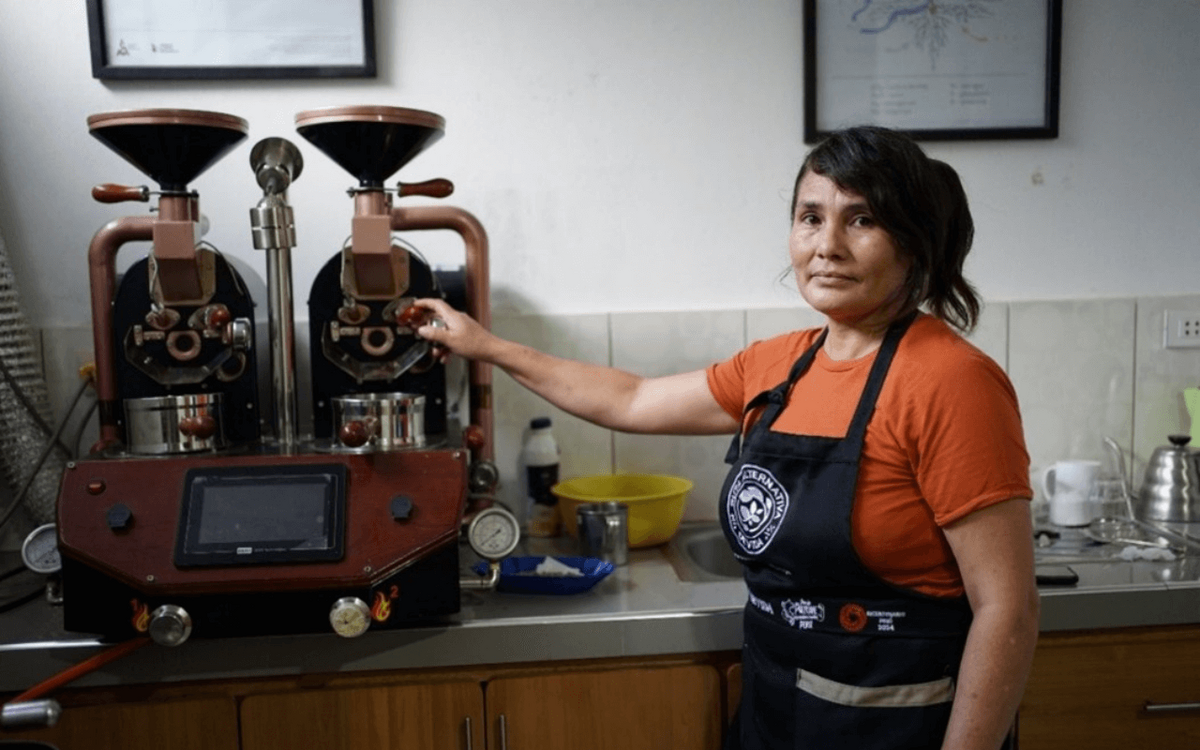



The Politics of Food Trade
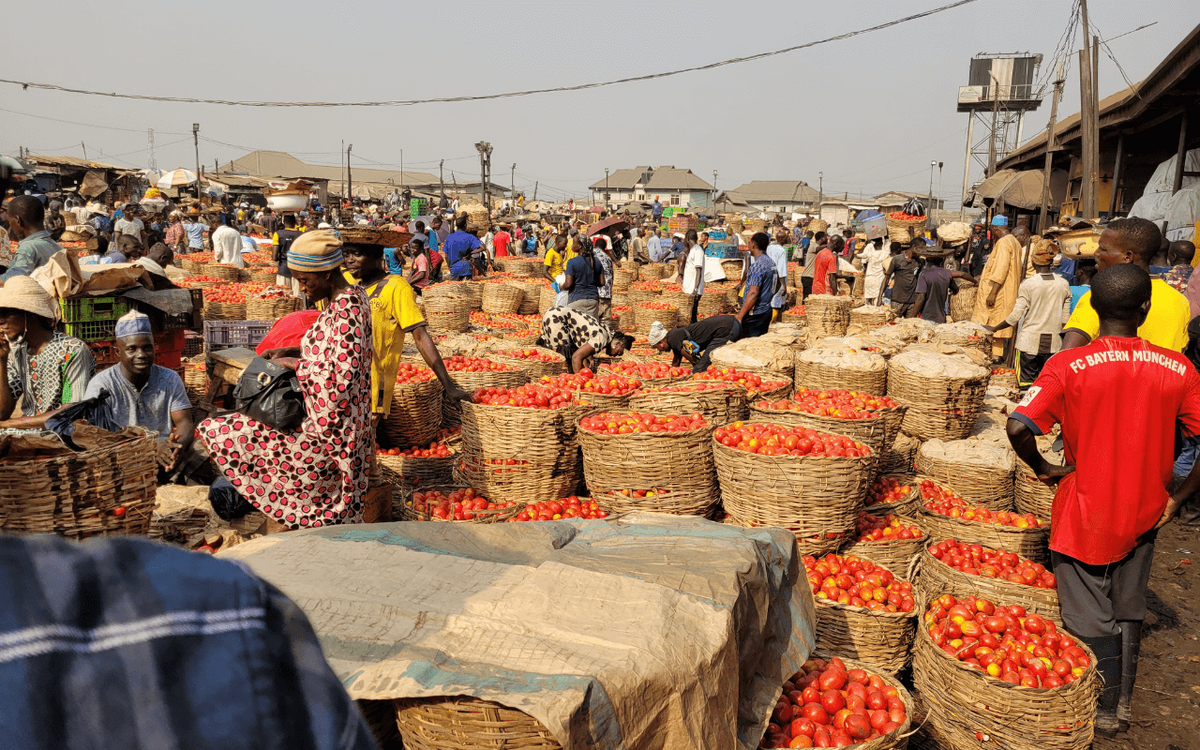
In the current context, where the global order is undergoing profound changes, the vulnerability of international agricultural trade to political decisions, logistical disruptions, and geopolitical tensions has become clear. In a highly interconnected system, shocks ripple quickly across supply chains, often resulting in price spikes, shortages, and rising food insecurity. This shows that agricultural trade is more than just the exchange of goods: it operates at the intersection of power, interests and global governance. At the same time, it remains central to functioning food systems. If properly designed, it can cushion shocks, connect markets and strengthen food security. This special issue examines how agricultural trade can become more resilient, equitable and sustainable.
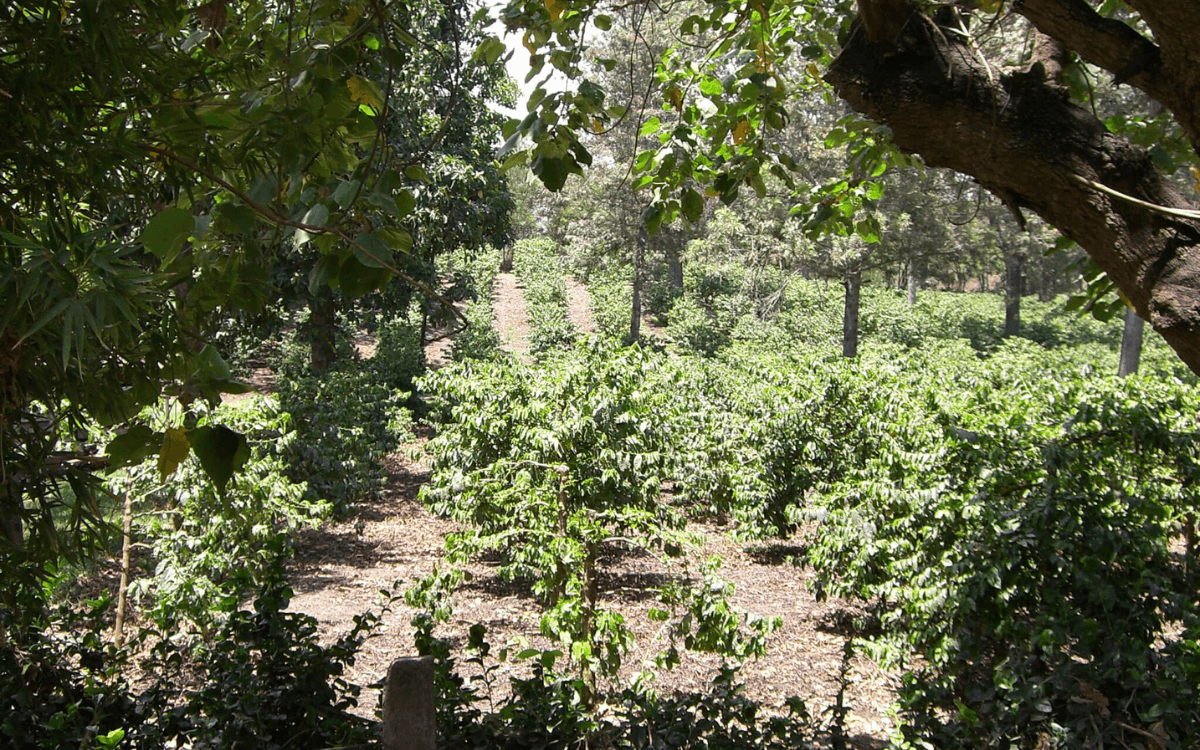
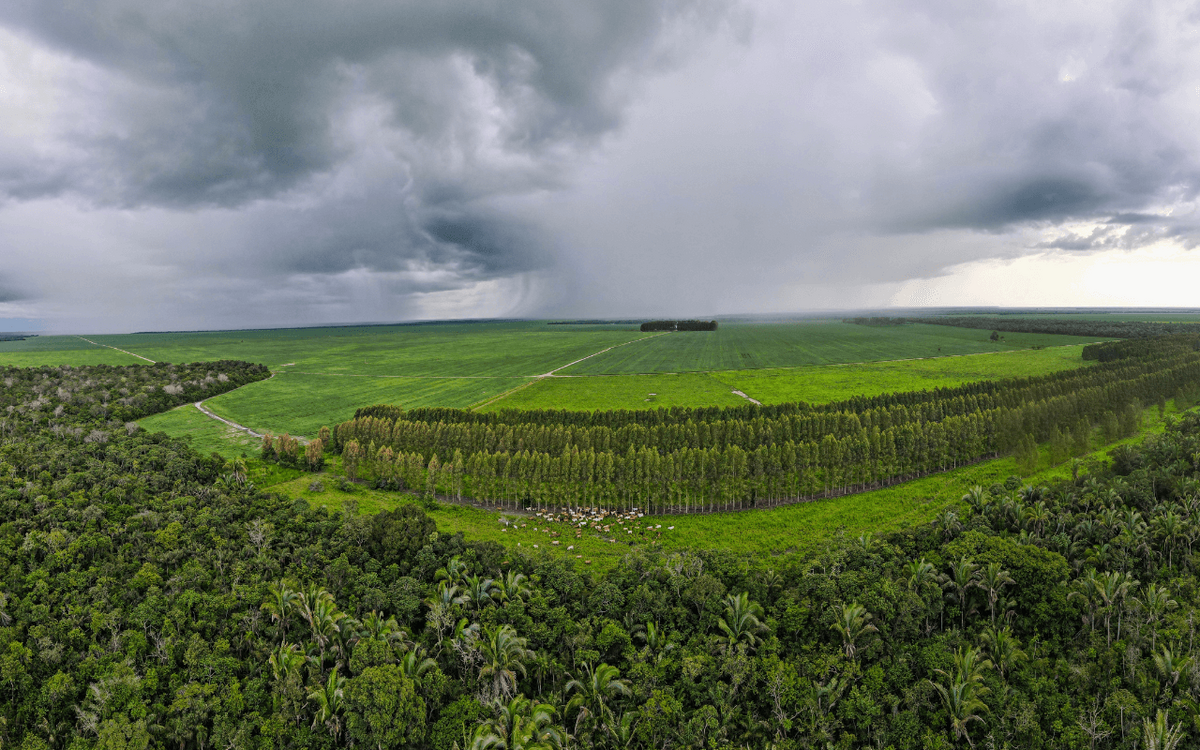
Moses Vilakati (African Union), Mathias Mogge (Welthungerhilfe) and Debisi Araba (AKADEMIYA2063) highlight the opportunities that can arise from a strategically reimagined Africa–Europe trade. At the same time, BMZ, BMLEH and the Standards and Trade Development Facility (STDF) illustrate how international standards and cooperation ensure that food from around the world reaches our supermarkets safely and reliably. Projects worldwide further demonstrate how fair value distribution, responsible supply chains, and sustainable environmental protection are implemented in agricultural trade – with insights from Tchibo, the African Fine Coffees Association (AFCA), Fairtrade Germany and Africa, and GIZ in Nigeria, Peru, and Brazil.
"Despite all problems with the global commons we face today, we can't solve them without multilateralism, cooperation and trade.”
- Ngozi Okonjo-Iweala, Director General of the World Trade Organization (WTO)
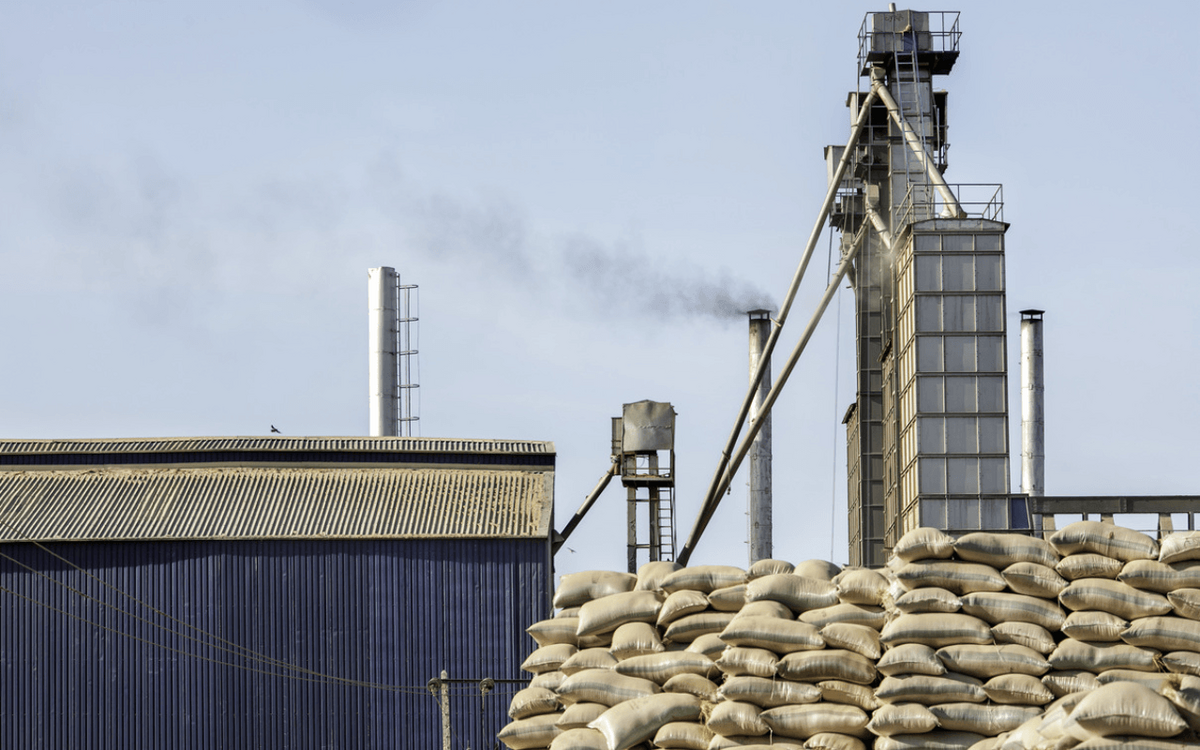
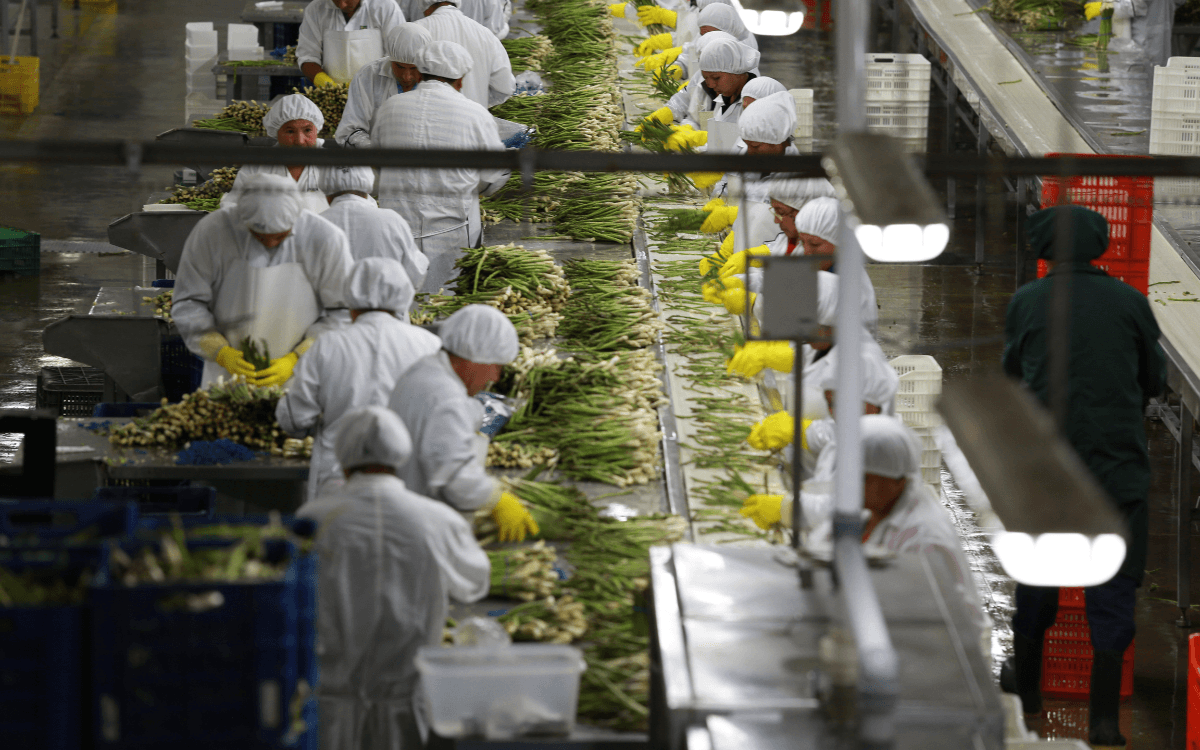
Towards Equitable Food Trade – Worldwide, Regional, Local
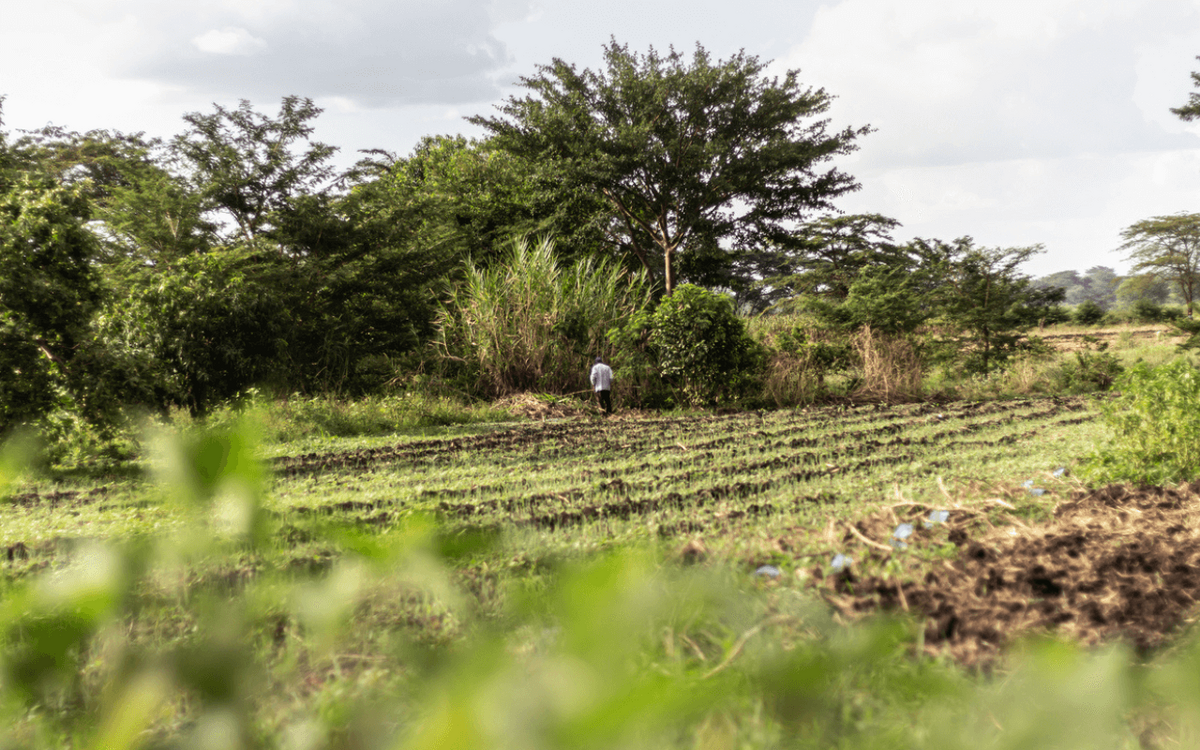
Voices from the Field and from diverse perspectives from practice show how sustainable production, transparent supply chains and the protection of key ecosystems contribute to a resilient and equitable agricultural trade.