Cultivating Resilience in Times of Climate Change: Madam Racheal’s Journey in Soy Farming
In Mumbwa District, Madam Racheal Chiyabi has transformed her farm through climate-adapted soy production and agroforestry systems. At the same time, her cooperative’s equal decision-making structures and market access strengthen the economic position of smallholder women farmers.

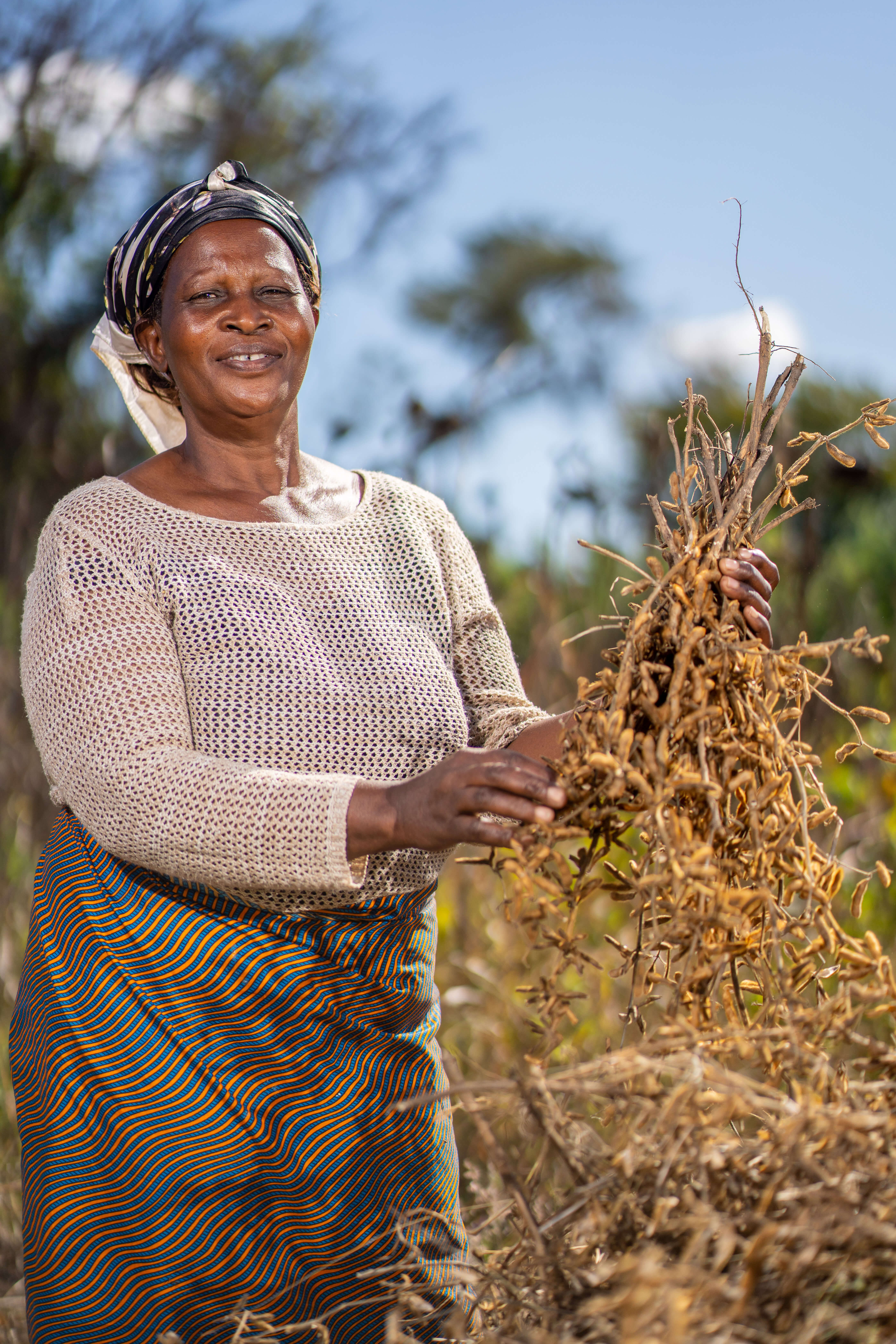
For over a decade, Madam Racheal Chiyabi has worked the land in Mumbwa District, Zambia, raising chickens and growing vegetables, cowpeas, maize, and groundnuts. However, it is her growing success in soy farming that tells a larger story - one of climate resilience, mutual solidarity, and a woman farmer rising as a leader in her community.
Soy farming became a core part of Racheal’s livelihood after she joined farmers supported by the GIZ Sustainable Agriculture for Forest Ecosystems (SAFE) Project together with Community Markets for Conservation (COMACO). Through this partnership, Racheal received training in climate-smart conservation agriculture, including potholing, tractor-supported land preparation, and the integration of Gliricidia trees for agroforestry.
“What makes me proud,” Racheal says, “is how diversified my farm is. I’ve grown to a level where I compete with men in similar value chains.”
Her leadership extends beyond her field. As head of her cooperative, Racheal highlighted that their cooperatives embody a model of 50-50 gender representation in farming decision-making, ensuring women’s voices are equal and active in group leadership.
But the 2023/2024 season brought one of her toughest tests yet. A severe drought, worsened by unpredictable climate patterns, devastated yields and led to food shortages and livestock deaths in her area. She highlighted that one of the major challenges they now face is climate change. Aside from the severe droughts, the last rainy season in 2025 brought with it very late rain. “The rain came in May - that has never happened before,” she recalls.
In response to the effects of the drought, GIZ through COMACO supported Racheal and other registered farmers with soya seed to help them recover and continue production.
“In our farmer groups, we support each other. No one struggles alone,” Racheal says. “We’ve even formed savings groups - it’s made us stronger together.”
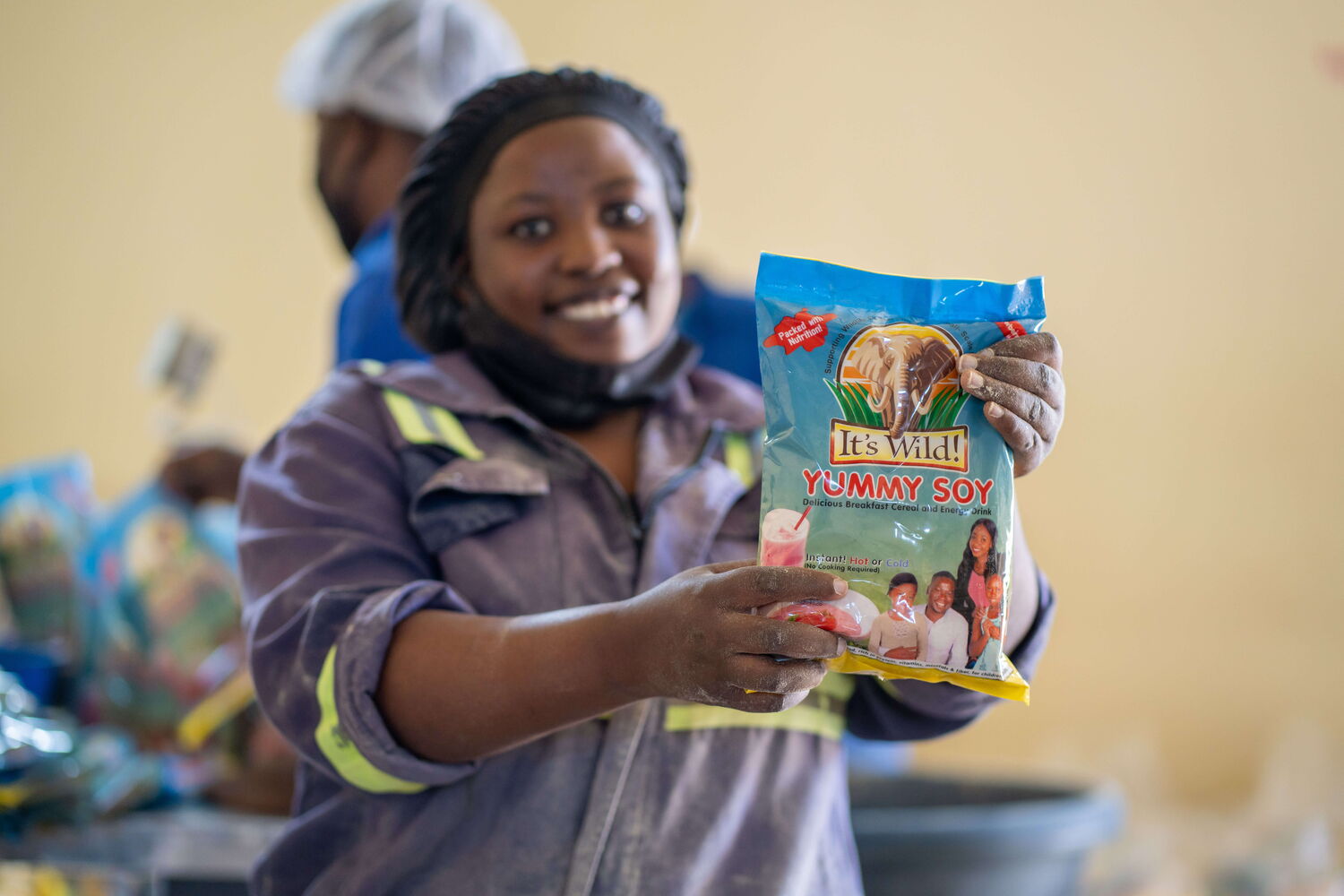
Beyond production, COMACO plays a critical role in connecting farmers like Madam Racheal to markets. The organization aggregates soya from smallholder women, including her cooperative, and processes it into value-added products like “Yummy Soy” — a nutritious, affordable cereal now stocked in supermarkets across Zambia. This model not only promotes local value addition but creates direct market opportunities for rural women, reinforcing the power of inclusive business in transforming livelihoods. Through the work to be done with GIZ, COMACO will contribute to the preservation of 450,000 hectares of community forest and over 2,000 farmers being trained about sustainable agricultural practices.
A Contribution by Olivia Ngaba and Laura-Christine Rondholz, GIZ SAFE Project
Related articles

Leidy: Coffee producer who creates opportunities for women and young people
Read more Leidy: Coffee producer who creates opportunities for women and young people

From pond to plate – how aquaculture leverages women empowerment in Myanmar
Read more From pond to plate – how aquaculture leverages women empowerment in Myanmar


Sowing Seeds of Leadership: Ahalya Sahu’s Journey in Natural Farming
Read more Sowing Seeds of Leadership: Ahalya Sahu’s Journey in Natural Farming

Kristina Rampang: A Mother, A Farmer, A Community leader
Read more Kristina Rampang: A Mother, A Farmer, A Community leader

Farming Hopes: Haribati's Journey of Empowerment and Resilience
Read more Farming Hopes: Haribati's Journey of Empowerment and Resilience

Her land, her rights: Justice through technology

The International Year of the Woman Farmer: Women as Drivers of Change
Read more The International Year of the Woman Farmer: Women as Drivers of Change