The International Year of the Woman Farmer: Women as Drivers of Change
Women produce a significant share of the world’s food and play a decisive role in transforming agrifood systems. The International Year of the Woman Farmer 2026 highlights their contributions as innovators, entrepreneurs, and drivers of climate-resilient and sustainable development.


The International Year of the Woman Farmer is a reminder, that while women in agricultural and food systems are still disproportionately affected by global crises, they are also essential actors of transformation, resilience and innovation. The transformation of agricultural and food systems lies at the heart of all three Rio Conventions: combating climate change, halting biodiversity loss and addressing land degradation. Across these interconnected challenges, women farmers play a critical role — as producers, entrepreneurs, custodians of biodiversity and drivers of resilient local economies. Strengthening their agency, leadership and economic participation is therefore not only a matter of equality, but a prerequisite for sustainable and climate-resilient food systems.
At the same time, women continue to face systemic barriers that restrict their full participation in agricultural and economic life. Women produce almost half of the world’s food, yet own less than 15 percent of agricultural land. Structural barriers continue to limit women’s access to key technologies and services. Farm inputs, mechanisation solutions, labour-saving equipment and financial products are often not tailored to their needs or remain out of reach due to high costs, unsuitable product design and institutional barriers.
Violence against women remains widespread: nearly one in three women worldwide has experienced intimate partner violence at least once in her lifetime. In many countries, a large proportion of young women are married before their 18th birthday, which often results in the end of their education, the start of motherhood and an increase in household responsibilities.
According to the UN Women Gender Snapshot report, over 350 million women could be living in extreme poverty by 2030, and many will be further disadvantaged by the impacts of climate change. Many climate actions still insufficiently integrate gender considerations, even though women’s knowledge and roles are pivotal to building climate‑resilient agricultural and food systems.
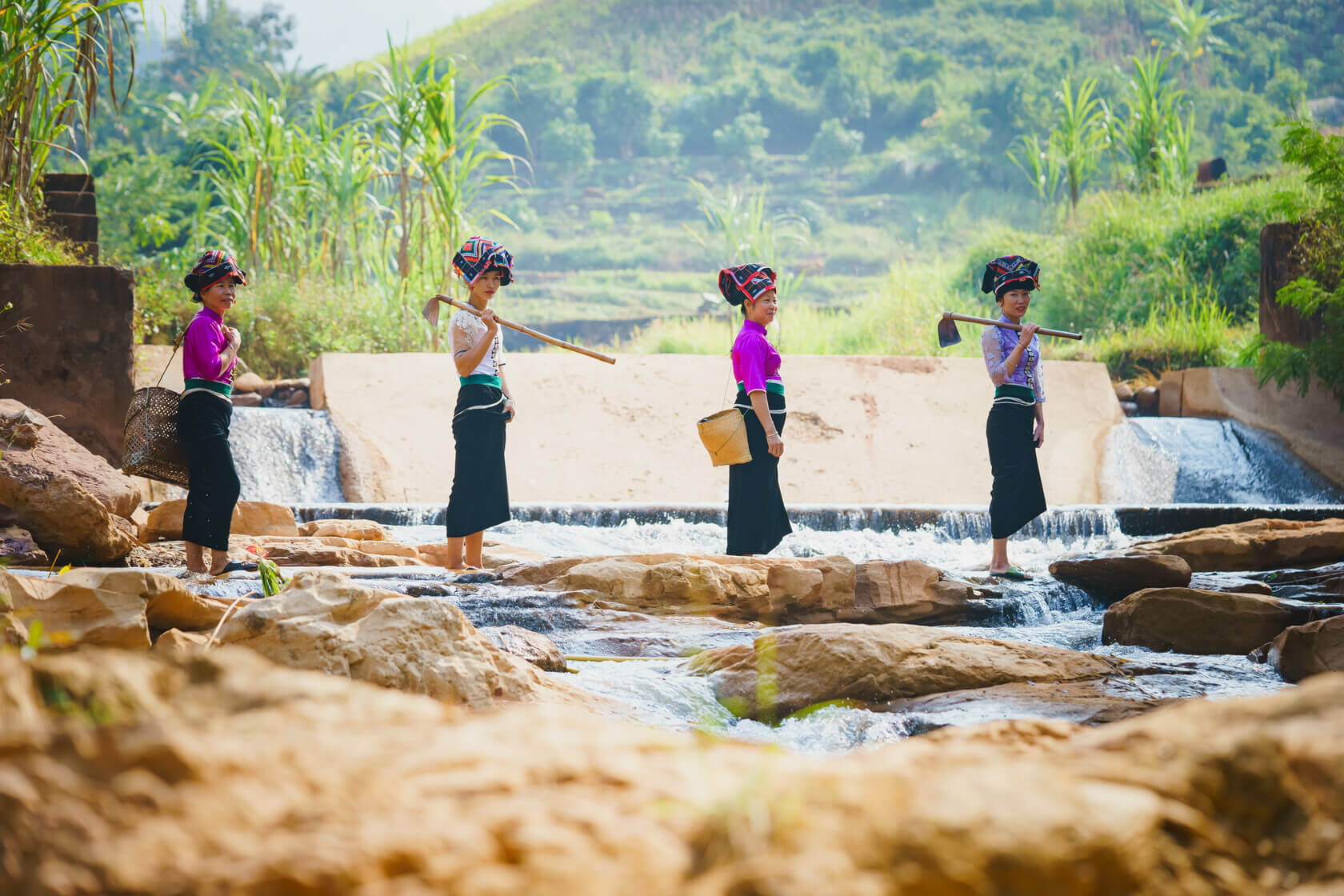
When gender is addressed in policy strategies, women are often portrayed as victims of climate change rather than as agents of change. Many plans to combat hunger merely emphasise women’s vulnerability and often overlook the fact that women could actively contribute to solving the hunger crisis if they were given greater support.
Yet, women are not only disproportionately affected by crises; they are also drivers of change, innovation and solutions. According to FAO (2023), ensuring equal access to resources and equal pay for women and men in agricultural and food systems could increase global gross domestic product by about 1 percent – nearly one trillion US dollars – while lifting an estimated 45 million people out of food insecurity. Evidence also shows that empowering women through gender-responsive agricultural programmes can significantly improve children’s nutrition.
Across Deutsche Gesellschaft für Internationale Zusammenarbeit (GIZ) GmbH, a wide range of programmes contributes to the goals of the Rio Conventions by supporting women farmers at individual, organisational and systemic levels. GIZ’s engagement aligns with the Federal Ministry for Economic Cooperation and Development’s (BMZ) feminist development policy, which addresses social norms, tackles discrimination and oppression, and places women at the centre as key knowledge-bearers and decision-makers.
The following examples of GIZ and partner organisations illustrate how women are driving change in areas such as climate resilience, biodiversity protection and sustainable land management. They show that investing in women farmers is not only an investment in equality, but in resilient economies, sustainable food systems and long-term transformation.
Related articles

Leidy: Coffee producer who creates opportunities for women and young people
Read more Leidy: Coffee producer who creates opportunities for women and young people

From pond to plate – how aquaculture leverages women empowerment in Myanmar
Read more From pond to plate – how aquaculture leverages women empowerment in Myanmar


Sowing Seeds of Leadership: Ahalya Sahu’s Journey in Natural Farming
Read more Sowing Seeds of Leadership: Ahalya Sahu’s Journey in Natural Farming

Kristina Rampang: A Mother, A Farmer, A Community leader
Read more Kristina Rampang: A Mother, A Farmer, A Community leader

Cultivating Resilience in Times of Climate Change: Madam Racheal’s Journey in Soy Farming
Read more Cultivating Resilience in Times of Climate Change: Madam Racheal’s Journey in Soy Farming

Farming Hopes: Haribati's Journey of Empowerment and Resilience
Read more Farming Hopes: Haribati's Journey of Empowerment and Resilience