


Farming Hopes: Haribati's Journey of Empowerment and Resilience
In rural Madhya Pradesh, Haribati Maravi’s work in self-help groups is reshaping everyday power relations in agriculture and the household. Through training in climate-resilient farming, gender-specific questions, and collective organisation, women farmers are increasingly recognised as decision-makers.


Haribati Maravi, 39, from Sakri village in Mandla district of Madhya Pradesh, lives with her family of three on a small plot where they grow vegetables. Over the years, she has emerged as a Community Resource Person and a Krishi Sahyogi (Agriculture Facilitator). She also serves on the governing board of the Farmer Producer Company (FPC) in Mohgaon block and works as a Gender Master Trainer.
Her journey of empowerment began in 2008 when she joined the Nirmala Self-Help Group (SHG). Initially sceptical of external volunteers, Haribati gradually gained confidence through weekly meetings that addressed household challenges, farming concerns, and collective rights. One of the SHG’s earliest achievements was securing delayed payments under the Mahatma Gandhi National Rural Employment Guarantee Act (MGNREGA) and restoring work allocation through the village panchayat, reinforcing the strength of collective action.
A key turning point came with the Carbon Offsetting Rice Emissions (CORE) initiative, part of the Fund for the Promotion of Innovation in Agriculture (i4Ag). This Indo-German cooperation project is commissioned by the Federal Ministry for Economic Cooperation and Development (BMZ) and implemented by the Deutsche Gesellschaft für Internationale Zusammenarbeit (GIZ) GmbH, with UN Women as a consortium partner. CORE promotes climate-sensitive rice cultivation through a gender-transformative approach.
“We understood that sex is physical and gender is social,” Haribati explains.
These changes were met with resistance, including instances of domestic violence against women asserting their independence. “There have been cases where we had to threaten police action against abusive husbands,” she says. Rather than retreat, Haribati organised rallies in her village and neighbouring areas to advocate for women’s rights.
Alongside Meena Vishwakarma from Professional Assistance for Development Action (PRADAN), Haribati conducts SHG-level gender trainings, addressing sensitive issues such as menstruation and social norms.
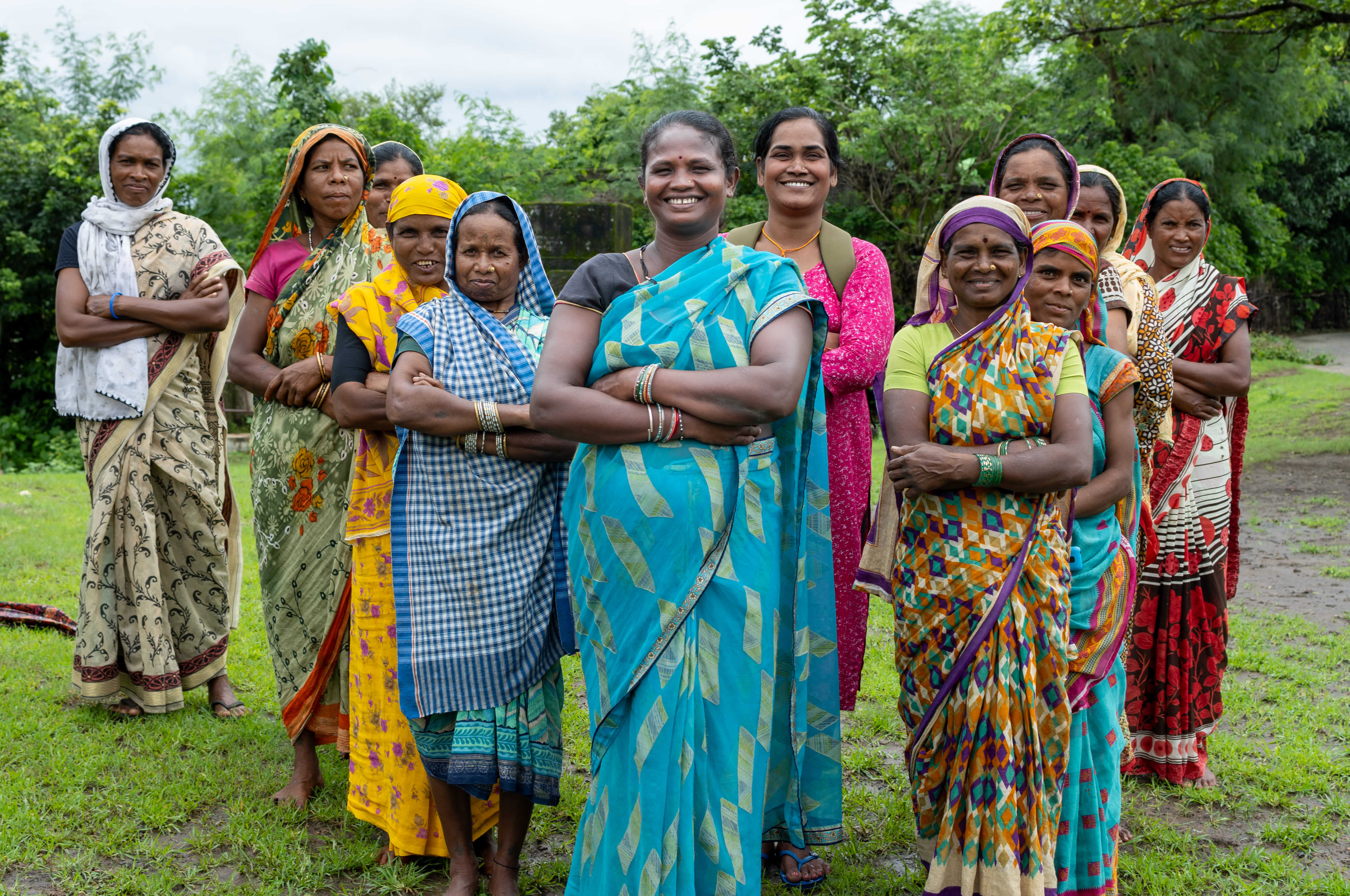
Collective action has since expanded beyond gender. SHGs have led de-addiction drives, tackled water pollution, and established a Community Nutrition Garden under MGNREGA, supplying vegetables to anganwadis and schools.
Today, CORE trainings have enabled women to be recognised as farmers. By adopting sustainable practices, Haribati improved soil health and yields, inspiring most farmers in Sakri to follow similar methods—and strengthening her hope for a more equitable future for women farmers.
Related articles

Leidy: Coffee producer who creates opportunities for women and young people
Read more Leidy: Coffee producer who creates opportunities for women and young people


From pond to plate – how aquaculture leverages women empowerment in Myanmar
Read more From pond to plate – how aquaculture leverages women empowerment in Myanmar


Sowing Seeds of Leadership: Ahalya Sahu’s Journey in Natural Farming
Read more Sowing Seeds of Leadership: Ahalya Sahu’s Journey in Natural Farming

Kristina Rampang: A Mother, A Farmer, A Community leader
Read more Kristina Rampang: A Mother, A Farmer, A Community leader

Cultivating Resilience in Times of Climate Change: Madam Racheal’s Journey in Soy Farming
Read more Cultivating Resilience in Times of Climate Change: Madam Racheal’s Journey in Soy Farming


