



Women Farmers Driving the Transformation
The United Nations has declared 2026 the International Year of the Woman Farmer. It is intended to highlight and honor the indispensable role of women in agriculture. 2026 will also see the Conferences of the Parties (COPs) to the three Rio Conventions (UNFCCC, CBD, UNCCD) on climate, biodiversity and desertification. What challenges do women in agriculture face? How do they defy climate change, droughts, floods and the loss of species? What innovations do they bring to make their farming more sustainable?
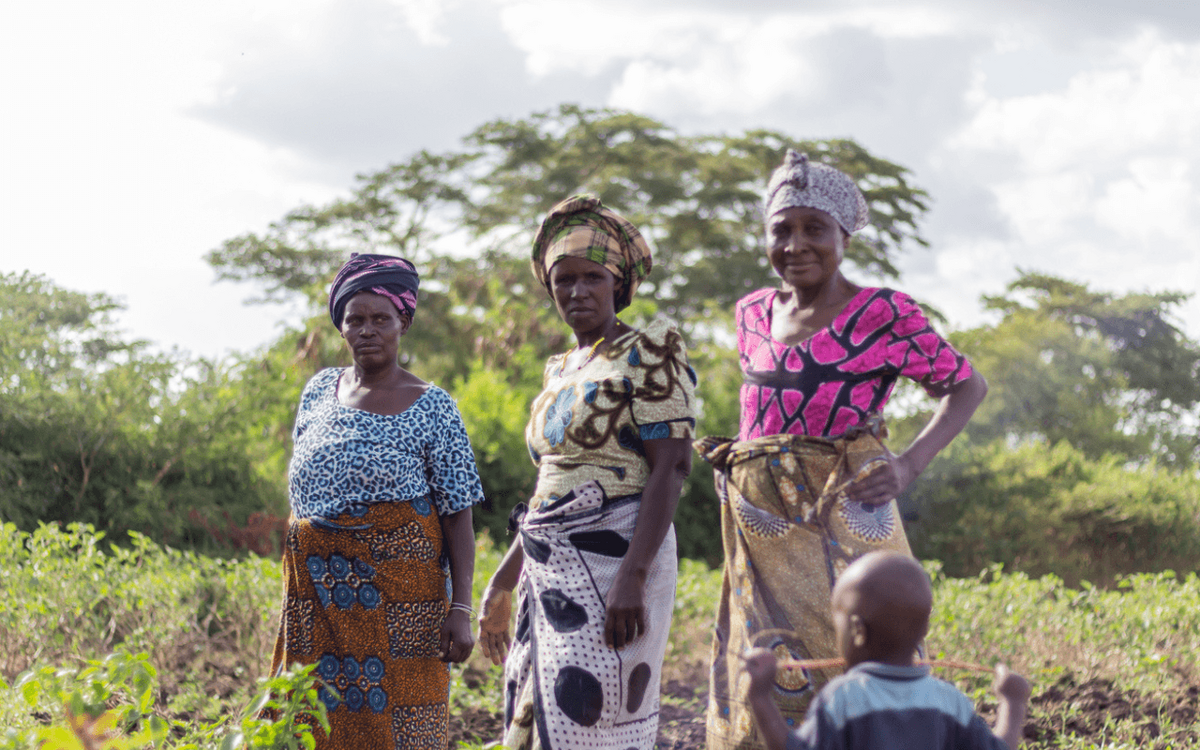
Around the world, women farmers are at the forefront of change – yet their voices are rarely heard. This platform shines a light on women farmers driving the transformation of agricultural and food systems across the globe. From Kenya, Uganda, Myanmar, India, and beyond, discover their stories on climate resilience, biodiversity, and the fight against land degradation and desertification.

Women are at the heart of global agrifood systems contributing across every stage, from production and processing to distribution and trade. Despite making up 41 percent of the global agrifood workforce, rural women disproportionately face precarious employment, poor working conditions, and limited rights. The International Year of Women Farmers (IYWF) 2026 puts the spotlight on these essential yet often unrecognized contributions – raising awareness and driving action to close gender gaps and improve livelihoods worldwide. Learn more on the FAO campaign website.

Women Voices from the Field
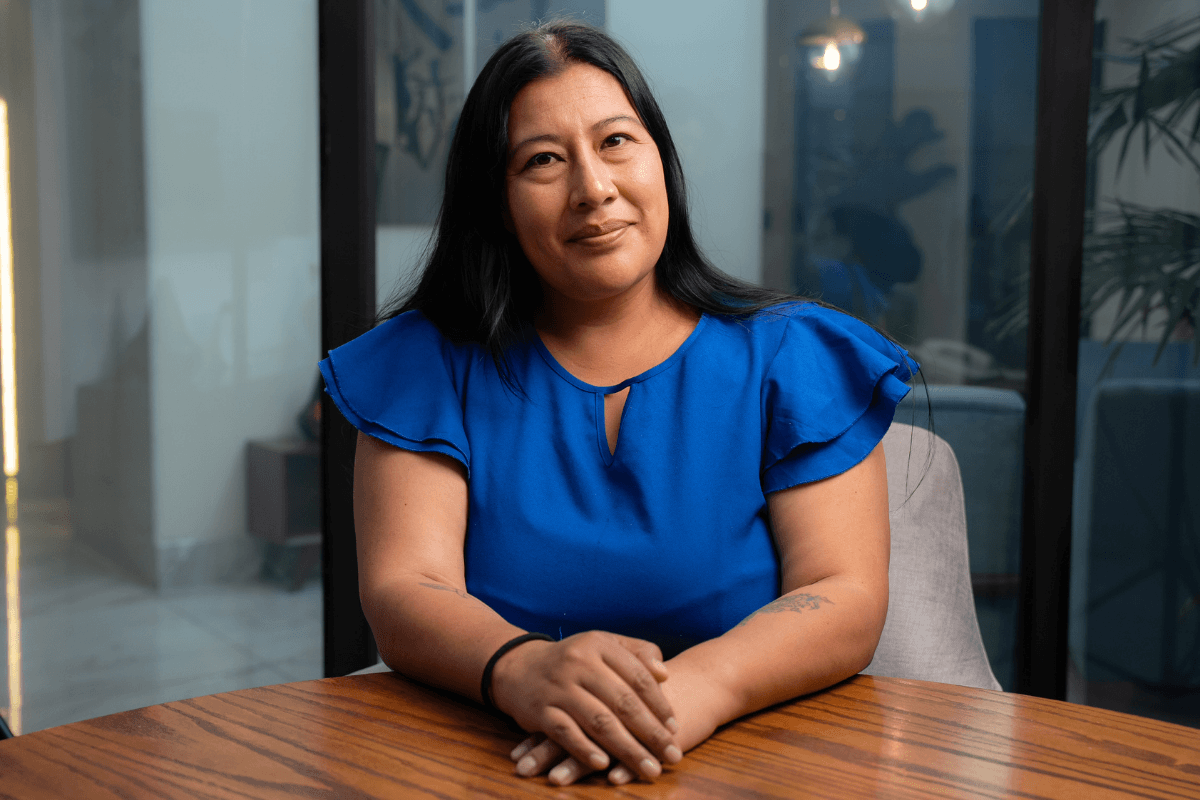
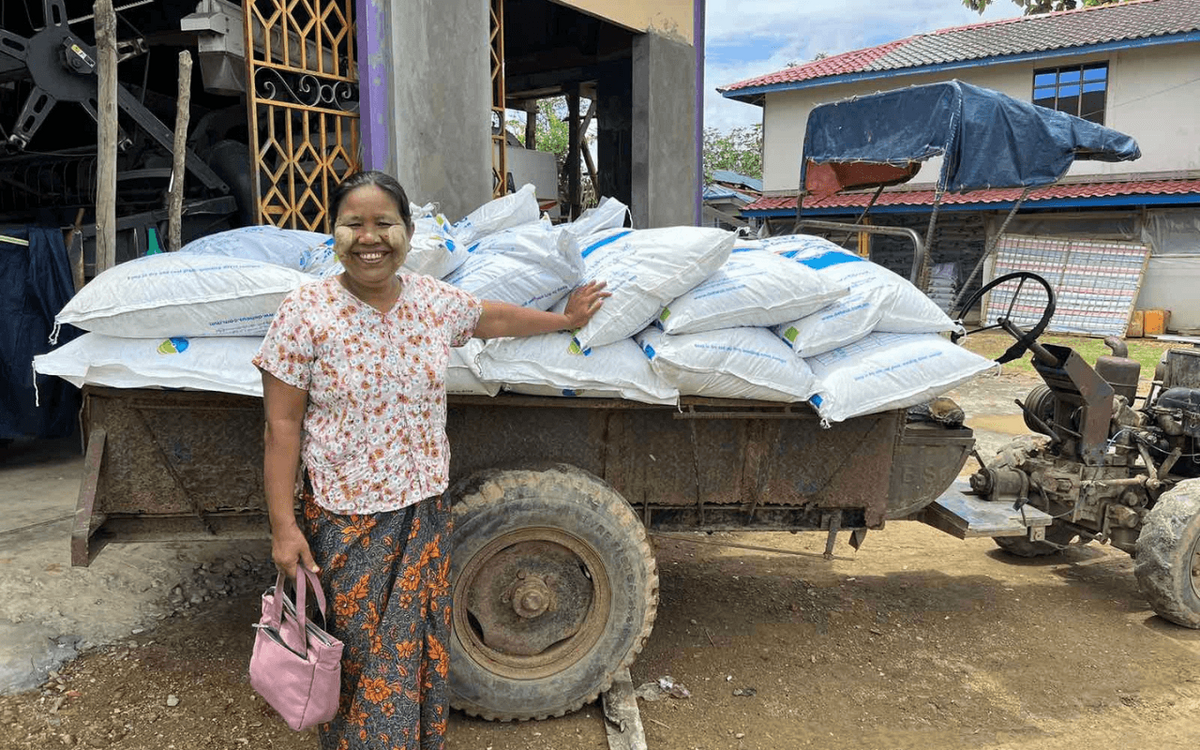
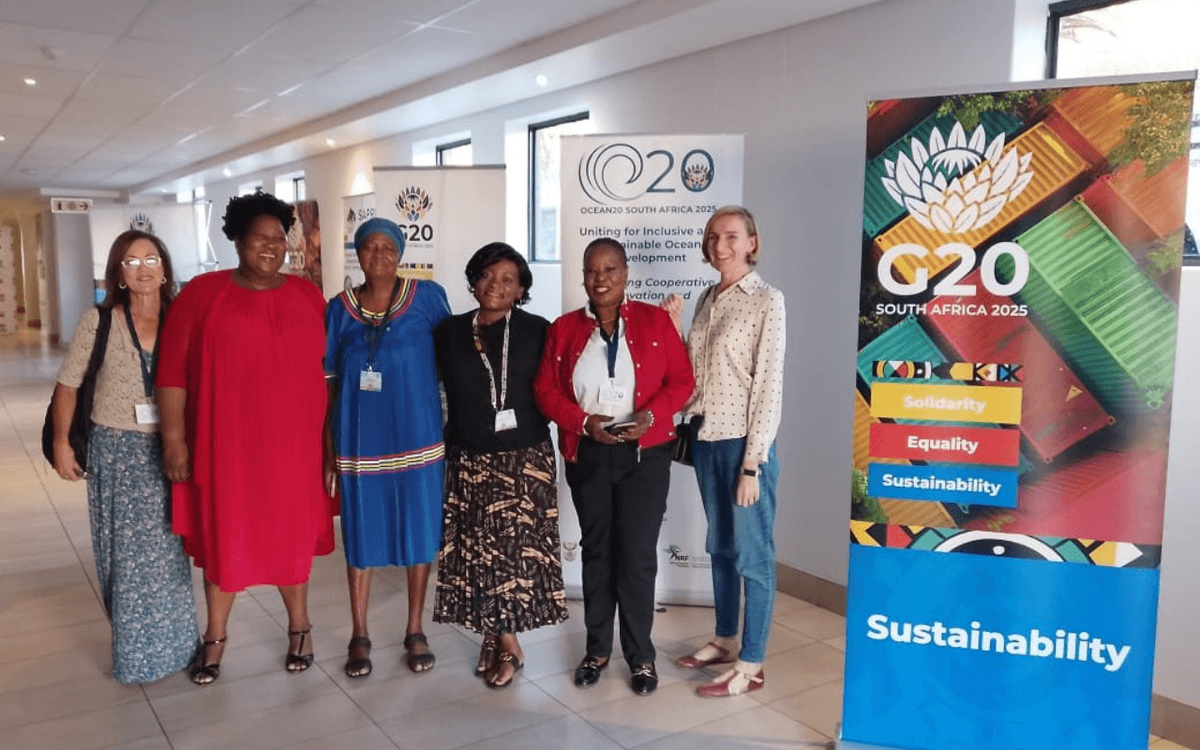
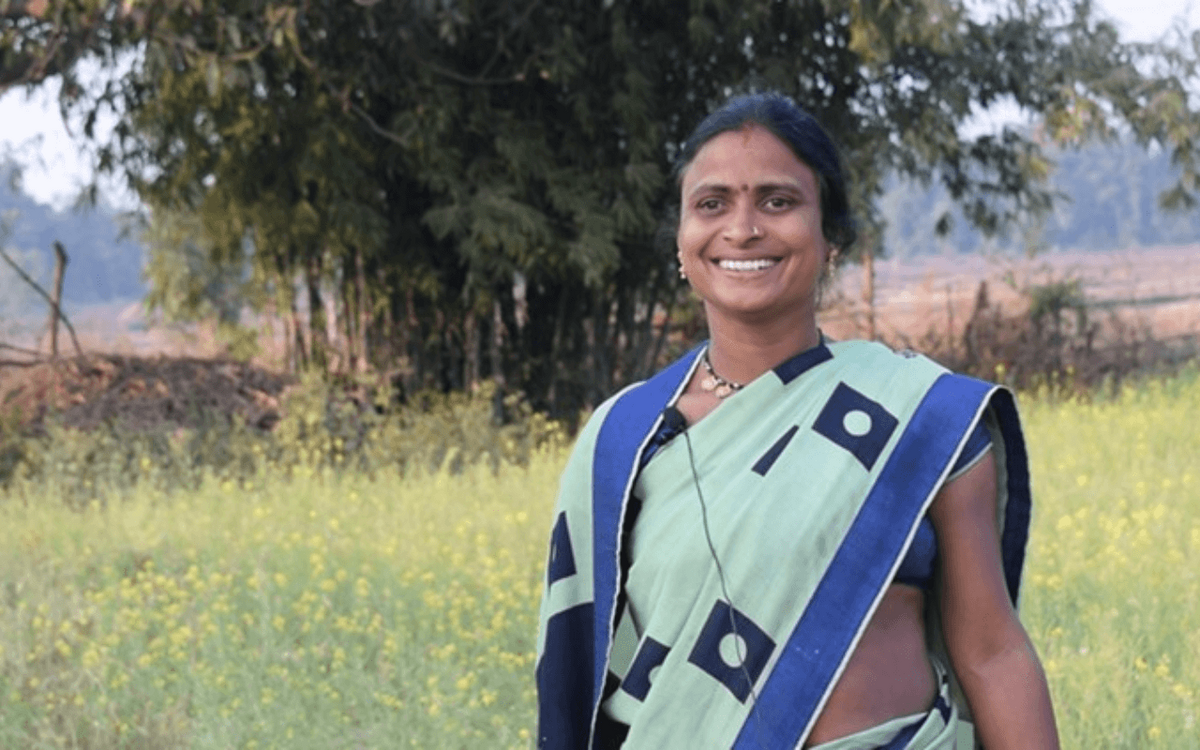
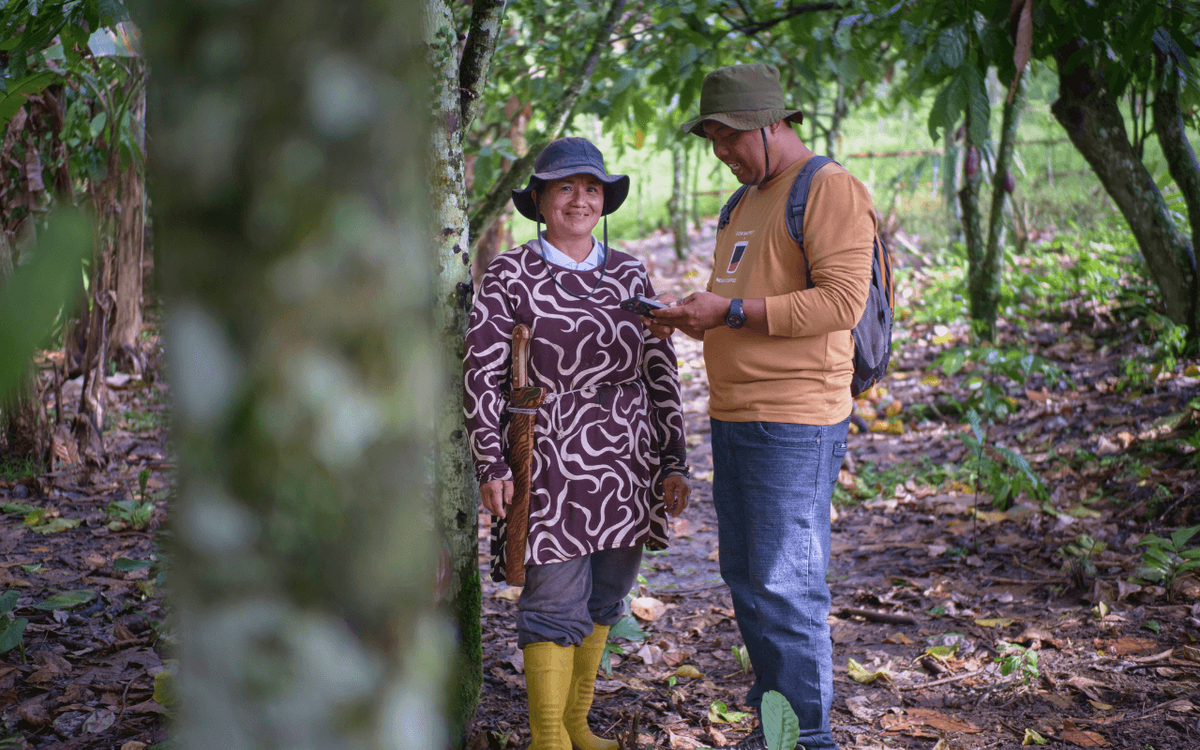
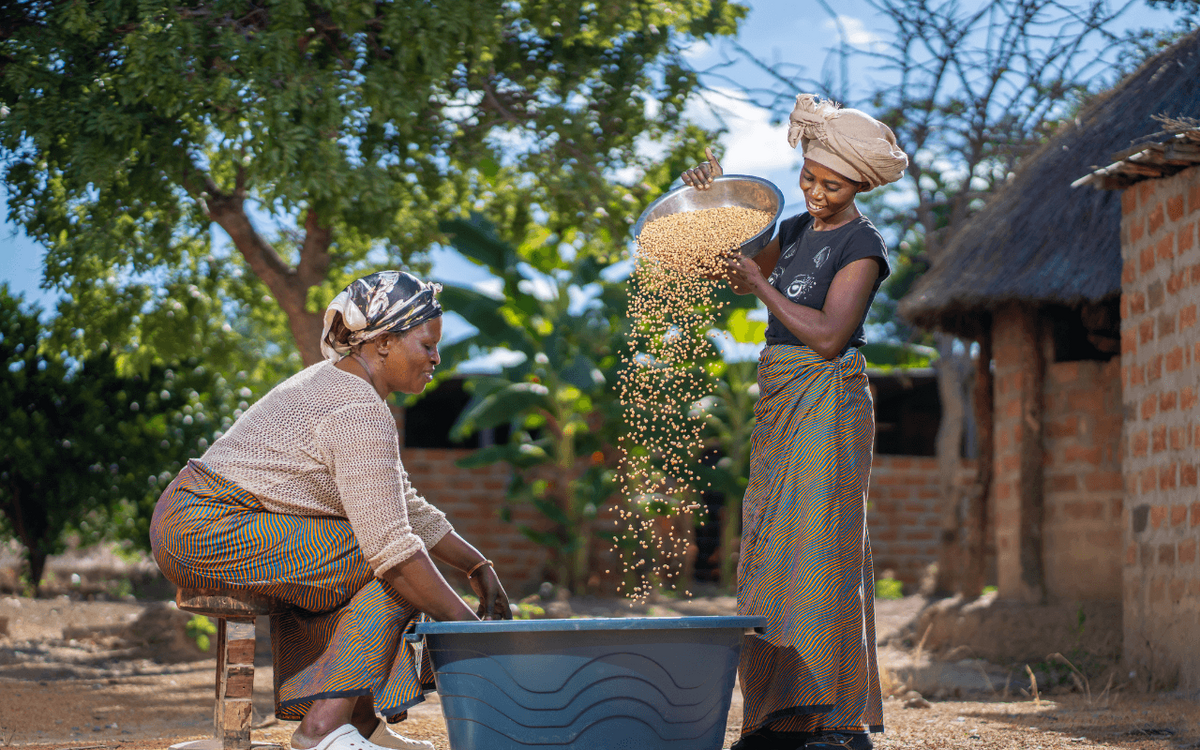
Stories from practice and from diverse perspectives show how women farmers are driving transformation – whether on biodiversity, climate, or land degradation and desertification.




Similar Artciles on Food4Transformation
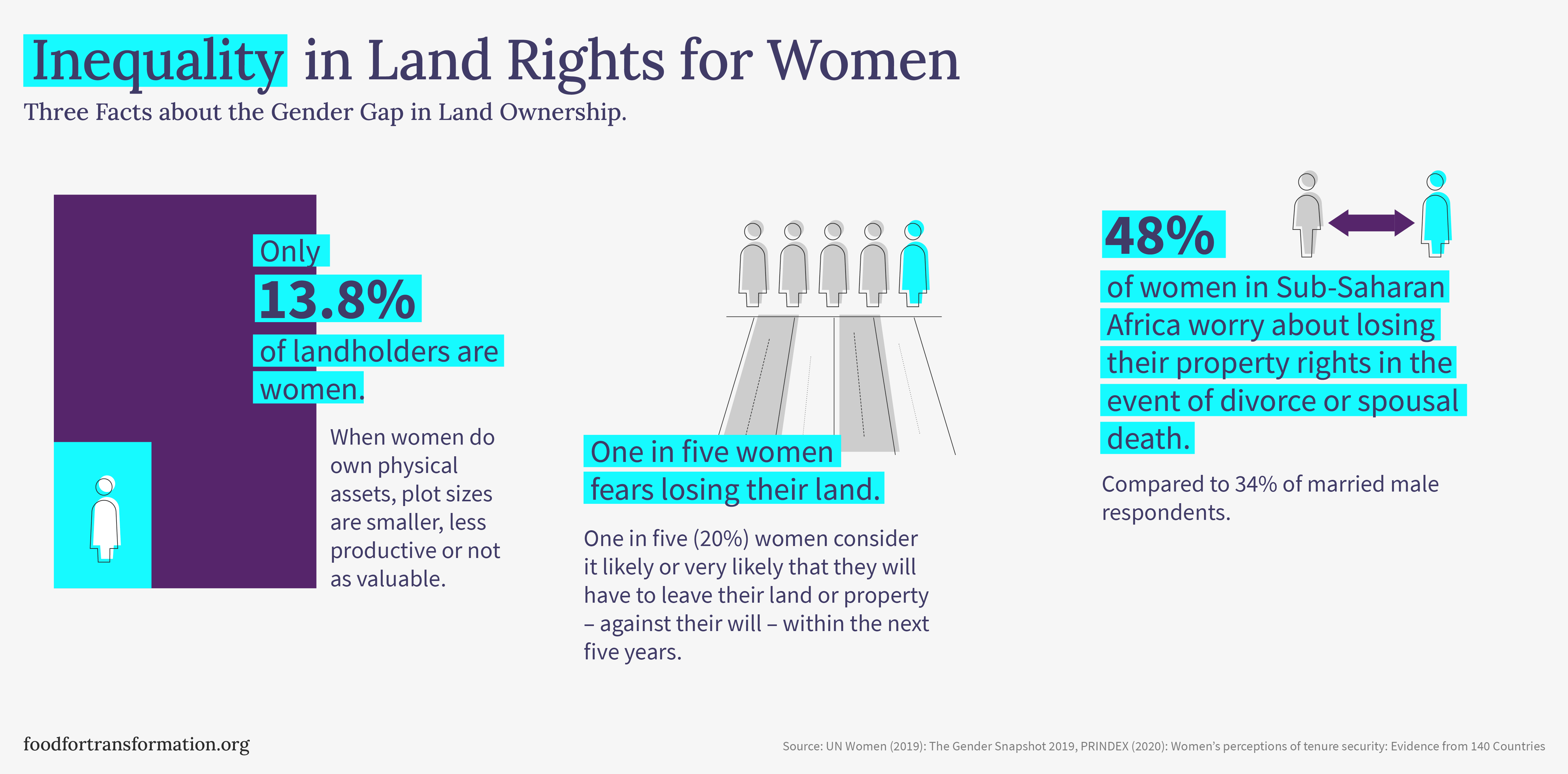
What economic and social barriers prevent women farmers from accessing land, finance, and equal opportunities – and what systemic changes are needed to overcome them? And why is the International Year of Women Farmers 2026 a political opportunity and responsibility for German development cooperation? Find answers to these questions and more in the following related articles.
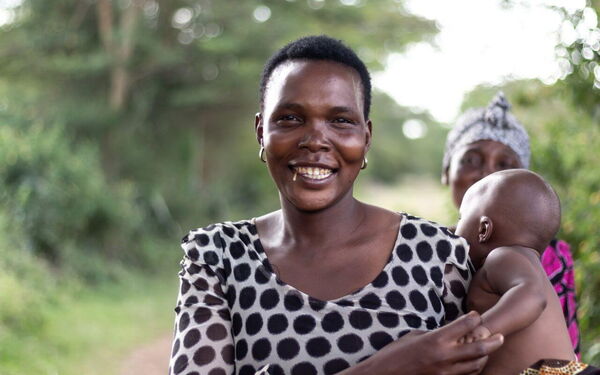
Women as Change Agents
A transformation of agricultural and food systems is not possible without overcoming structural gender inequalities. In this discussion, Caroline Kayanja (UCOBAC), Dr Eileen Nchanji (CIAT) and Theresa Herbold (Ministry of Development) reflect on the key challenges and solutions – from land access and representation to women-led collectives and innovative technologies.
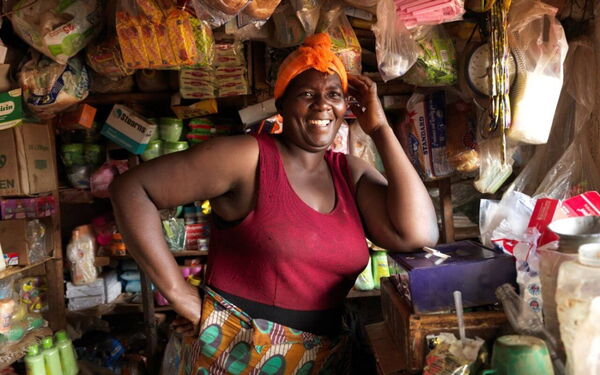
The Gap the Economy cannot afford
In a study, the international humanitarian agency CARE analyses how the economic and social barriers faced by women significantly reduces the global gross domestic product (GDP). At the current rate, it will take 152 years to close the economic gap between women and men – although closing this gap would be extremely profitable from an economic perspective.
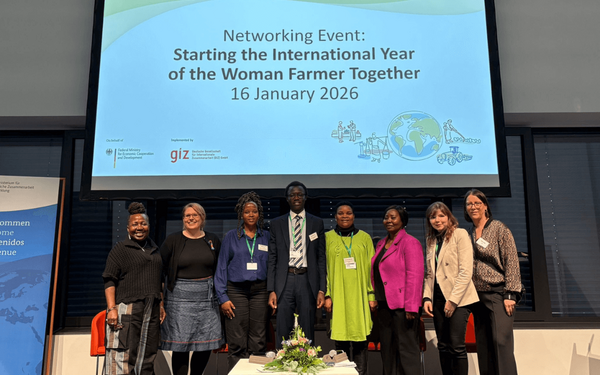
A political opportunity to overcome structural barriers for women farmers
The International Year of the Woman Farmer (IYWF), launched by the United Nations for 2026, is more than a symbolic moment. It is a political opportunity – and responsibility – for German development cooperation. This is what the Federal Ministry for Economic Cooperation and Development (BMZ) emphasised during Grüne Woche trade fair in Berlin.