The Key to Transforming Food Systems Lies in Inclusive Governance

Experts from Burkina Faso, Cambodia, Ethiopia, India, Kenya and Malawi came together to discuss inclusive governance in a workshop entitled "Inclusive Governance of Food Systems Transformation". The workshop was organised by the TMG Sustainability Think Tank, the Andreas Hermes Academy (AHA), the Deutsche Gesellschaft für Internationale Zusammenarbeit (GIZ), Welthungerhilfe (WHH) and the World Wide Fund for Nature (WWF).

Land grabbing is one of the main areas of conflict in Ethiopia. Responsible governance can counteract this. © GIZ / Climax Film Production, 2021

By TMG Research gGmbH

TMG Research gGmbH as part of the TMG Think Tank for Sustainability supports the implementation of sustainable development targets and the Paris Climate Agreement. The work of TMG Research gGmbH aims to listen to the voices of local actors in global processes while at the same time influencing the global processes in such a way that they become effective for concrete transformation processes at the national and local level

All contributions

By Daniel Montas

Daniel Montas is part of the Governance of Food Systems Transformation team at TMG Research gGmbH. He is currently finalizing a Master's degree in Global & Development Studies at Humboldt University, University of Pretoria and Chulalongkorn University. Previously, Daniel Montas worked for the Organization of African, Caribbean and Pacific States (OACPS) and the European Union-Latin America and Caribbean Foundation (EU-LAC). He was also chosen as the Dominican Republic's Youth Representative to the United Nations for 2019.

All contributions

In a world plagued by food insecurity, malnutrition, climate change and biodiversity loss, the pressing challenges of our current food systems demand immediate attention. While extensive research on the necessity to transform our food systems exists, a crucial aspect has often been overlooked - the guiding principles that should steer this overhaul. As the need for comprehensive governance of food systems transformation (FST) becomes increasingly apparent, the international community is grappling with this critical issue.


Recently, the Partners for Change (P4C) Conference, held between June 14th and 15th, 2023, shed light on this pressing matter. Hosted by the Bundesministerium für wirtschaftliche Zusammenarbeit und Entwicklung (BMZ), the conference aimed to assess the experiences and insights gained from nearly ten years of German collaboration with selected partner countries. Here, the spotlight shone brightly on the critical role of governance in facilitating FST, as the various working groups demanded heightened attention to this fundamental aspect.


Responding to this pressing need for governance, TMG Sustainability Think Tank, Andreas Hermes Academie (AHA), Deutsche Gesellschaft für Internationale Zusammenarbeit (GIZ), Welthungerhilfe (WHH), and World Wide Fund for Nature (WWF) reconvened a group of experts from Cambodia, Ethiopia, India, Kenya, and Malawi, assembled in January to delve deeper into the subject. This subsequent workshop titled: Inclusive Governance of Food Systems Transformation, featured an expanded group, welcoming Burkina Faso as a participating country and ensuring representation from the most pertinent stakeholders.


The workshop aimed to directly address stakeholder contexts and foster future collaborations, leveraging events like the UN Food Systems Summit Stocktaking Moment or COP 28 to catalyze governance of FST. Government bodies, civil society organizations (CSOs), youth advocates, farmer organizations (FOs), and private sector representatives all gathered to bridge the gap between theory and practical realities. It was quickly recognized that as long as substantial power imbalances persist, the mere establishment of multi-stakeholder platforms will fall short unless a level playing field is guaranteed. And even if those platforms can be established, their effects must also reach the local level.


Participants called for a concerted effort to bridge the gap between governments, CSOs, and the communities they aim to assist, including the younger generation.


These challenges within vertical governance were further exemplified with a focus on the importance of including smallholder farmers in policy formulation and implementation. With FOs representatives going further, advocating not only for policy inclusion but also for enhanced agency and empowerment among farmers. To address these challenges, participants called for heightened awareness, capacity-and institution-building initiatives, and empowerment programs encompassing social, economic and political dimensions. Other solutions stressed the importance of improved coordination within their own groups, or horizontal governance, and emphasized the necessity of speaking with one voice.


During the workshop, the looming specters of pandemics, climate change, conflicts, and unforeseen events served as a sobering reminder of the fragility and lack of resilience within current food systems. Even if we succeed in sufficiently transforming our food systems, our resources will have been wasted if we fail to establish sustainable and resilient systems. In response, participants called for a shift towards a rights-based governance model (as opposed to inclusive governance), incorporating people's rights as an integral part of comprehensive change. The workshop also stressed the importance of recognizing externalities resulting from FST, such as climate impacts, and evaluating the trade-offs associated with such actions.


Looking ahead, participants discussed the upcoming UNFSS Stocktaking Moment and COP 28, expressing concerns about the UNFSS and the tokenization of marginalized communities. Some proposed leveraging the network established during the workshop to fill the void left by the UNFSS and actively engage in international discussions. Recognizing this, participants welcomed the initiative of hosting a side event dedicated to this topic during the UNFSS stocktaking moment in Rome.  Not only will this opportunity allow for sharpening the workshop's focus on marginalized groups and their pivotal role in FST but foster broader conversations on the future of collaboration and partnerships between European and African countries, expanding and reassessing the boundaries of so-called "Food Diplomacy”.


To ensure comprehensive change, some actors emphasized the need to equally redirect the discourse back to the national level. The Kenyan delegation expressed their intention to promote the ideas and conclusions voiced in the workshop at their upcoming National Agriculture Summit, further fostering dialogue and setting the stage for future collaborations at the national level.


In a closing statement, Martin Hoppe from BMZ reiterated the intricate complexity of FST and the necessity of a shared vision and understanding of respective roles. Hoppe emphasized the empowerment of farmers as central actors in the food systems and the paramount importance of a holistic, climate-smart, just, and resilient transformation.


Ultimately, the workshop echoed the crucial need for effective guiding mechanisms to achieve sustainable and inclusive FST. Such mechanisms must bring together governments, civil society organizations, farmers, academia, and the private sector in a continuous and collaborative manner.


Proper governance entails addressing challenges and difficulties arising from divergent perspectives, to foster policy coherence, transparency, and equitable resource allocation to those most in need.


In this regard, donor countries must reevaluate their approaches to supporting partner countries and explore a novel form of "food diplomacy" rooted in dynamic political dialogues that engage with multiple levels of food systems.
 

Similar articles

© GIZ / Ollivier Girard

"The virus does not need visa"

Interview by Dr. Ahmed Ouma (CDC)

Countries across Africa coordinate their efforts in the fight against corona by the Centre for Disease Control (CDC) of the African Union in Addis Abeba. Until now, the curve of new infections has been successfully flattened – why? Dr. Ahmed Ouma, Deputy Director, explains the work of CDC in an interview with Tilman Wörtz.

Read more

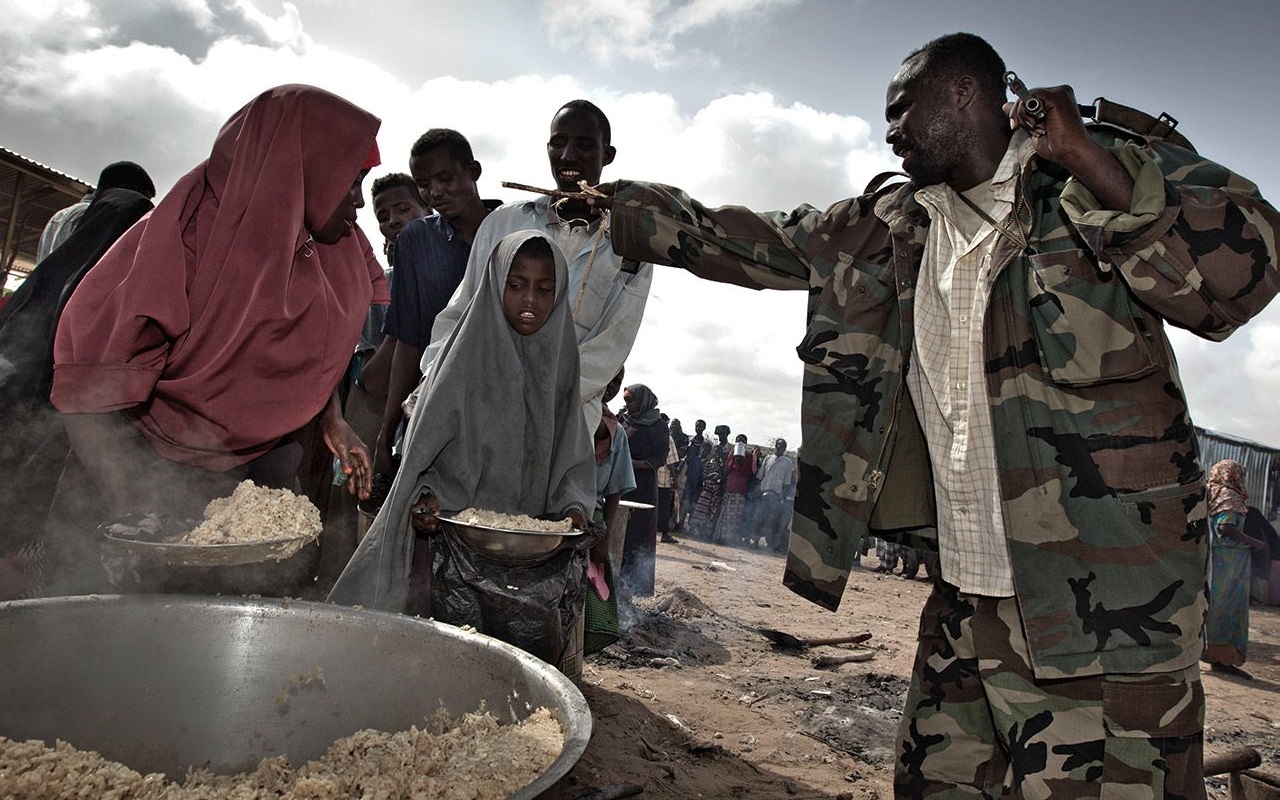
A man in camouflage distributes food to people, including women and children, from a large pot outdoors.

5 questions to F. Patterson: Why is there more hunger?

Interview with Fraser Patterson

Every year in October, the "Welthungerhilfe" aid organisation, with the Irish "Concern Worldwide" NGO, publishes the Global Hunger Index, a tool with which the hunger situation is recorded. What are the trends - and what needs to be done?

Read more

Stephan Exo-Kreischer ist Deutschland-Direktor der Lobby- und Kampagnenorganisation ONE.

New campaign for women: "Poverty is sexist"

Interview with Stephan Exo-Kreischer

This is a benchmark for everybody: More rights for women are a very influencing solution in the struggle against extreme poverty and hunger worldwide, says Stephan Exo-Kreischer, Director of ONE Germany. The organisation specialises in political campaigning as a lever for sustainable change.

Read more

“We have to prepare for the unexpected”

Interview with Dr Maria Flachsbarth (BMZ)

In August, Germany’s development ministry set up a division concentrating on One Health topics. Parliamentary State Secretary Maria Flachsbarth on knowledge gaps at the human-animal-environmental interface, the link between One Health and food security, and lessons learnt from previous pandemics.

Read more

A focused worker in blue coveralls operates machinery, wearing safety goggles on his head.

More than just a seat at the table

A contribution by Welthungerhilfe

Africa is home to the world’s youngest and fastest growing population. For many young people, agriculture could offer a job perspective. But to improve the living conditions and job prospects of young people in rural areas, political reforms and investments are desperately needed, as these people will be at the centre of agriculture and agricultural development in the future.

Read more

Teilnehmer einer Schulung im Digital Transformation Center Kigali, Ruanda. © Mali Lazell, GIZ

Africa's rapid economic transformation

A report by T. S. Jayne, A. Adelaja and R. Mkandawire

Thirty years ago, Africa was synonymous with war, famine and poverty. That narrative is clearly outdated. African living standards are rising remarkably fast. Our authors are convinced that improving education and entrepreneurship will ensure irreversible progress in the region even as it confronts COVID-19.

Read more

Förderung einer nachhaltigen Landwirtschaft, Burkina Faso. Foto: Aude Rossignol, GIZ

Building our food systems back better

A contribution by Jes Weigelt and Alexander Müller

What is required to make food systems provide sufficient, healthy food while not harming the planet? How should food security be maintained given the threat posed by climate change? Our authors look at some aspects of tomorrow’s food systems against the backdrop of the corona crisis.

Read more

A small roadside shop with colorful signage stands under a clear blue sky next to a parked truck.

The state of food security in Cape Town and St. Helena Bay

A study by Markus Hanisch, Agustina Malvido, Johanna Hansmann, Alexander Mewes, Moritz Reigl, Nicole Paganini (SLE)

Post-Covid-19 lockdown: How food governance processes could include marginalised communities - an extract of the results of an SLE study applying digital and participatory methods.

Read more

A group of women, some wearing green "d.light" shirts, gather for a photo in a well-lit room.

How the self-help approach empowers smallholder women

A report by INEF and Kindernothilfe

Supporting groups of smallholding women substantially contributes to strengthen rural operations economically. The organisation and associated group activities can help to reduce extreme poverty and improve the food situation.

Read more

Four smiling children joyfully eat together at a table, sharing bowls of food in a warm, vibrant setting.

School Feeding: A unique platform to address gender inequalities

A contribution by Carmen Burbano de Lara (WFP)

Besides the well known impacts of Covid19 lockdowns for the adult population, the associated school closures led to 90 percent of the world’s children with no access to schools. However, school meals are in often the only daily meal for children. Without access to this safety net, issues like hunger, poverty and malnutrition are exacerbated for hundreds of millions of children.

Read more

(c) Christoph Pueschner/Zeitenspiegel
Somalia / Mogadischu, Juli 2011: diese Frau floh mit ihren Kindern aus dem 250 Kilometer entfernten Baidoa in das IDP-Camp Al-Hidaaya. © Christoph Püschner/Zeitenspiegel

Global responsibility: Tackling hunger is the only way forward

A contribution by Lisa Hücking (WHH)

Chancellor Merkel has begun an ambitious European political programme: Striving for compromise in budget negotiations, an orderly Brexit as well as an appropriate response to the corona crisis. Unfortunately, one of her positions that she previously held is nowhere to be found: Africa's prosperity is in the interest of Europe. 

Read more

A woman in Burkina Faso feeds her baby while children sit against a rustic wall in the background.

Hunger must not be a consequence of the epidemic!

A contribution by Michael Brüntrup (DIE)

Even though COVID-19 poses a threat to the health of humanity, the reaction to the pandemic must not cause more suffering than the disease itself. This is particularly relevant for poor developing countries, where the impact of the corona crisis on food security is even more severe!


Read more

A man in a suit gestures expressively during a conversation, with green plants in the background.

Spiritual mortar for the young generation

A contribution by Jan Rübel

Fred Swaniker is working building a new era of leaders. And what about agriculture? ‘It needs to be more sexy!’

Read more

A person stands on a rocky hill, overlooking a vast, scenic landscape with a towering cliff and expansive fields below.

Human Rights, Land and Rural Development

A contribution by Michael Windfuhr (German Institute for Human Rights)

Land rights are no longer governed by the law of the strongest. That is what the international community has agreed to. Governments and private companies have a duty to respect human rights and avoid corruption.

Read more

A man in a cap and blazer speaks at a podium during a presentation on small business competition winners.

How do you campaign “Food Systems”?

Interview with Paul Newnham, Director of the SDG 2 Advocacy Hub.

The UN Food Systems pre-Summit in Rome dealt with transforming the ways of our nutrition. How do you bring that to a broad public? Questions to Paul Newnham, the Director of the Sustainable Development Goal (SDG) 2 Advocacy Hub.

Read more

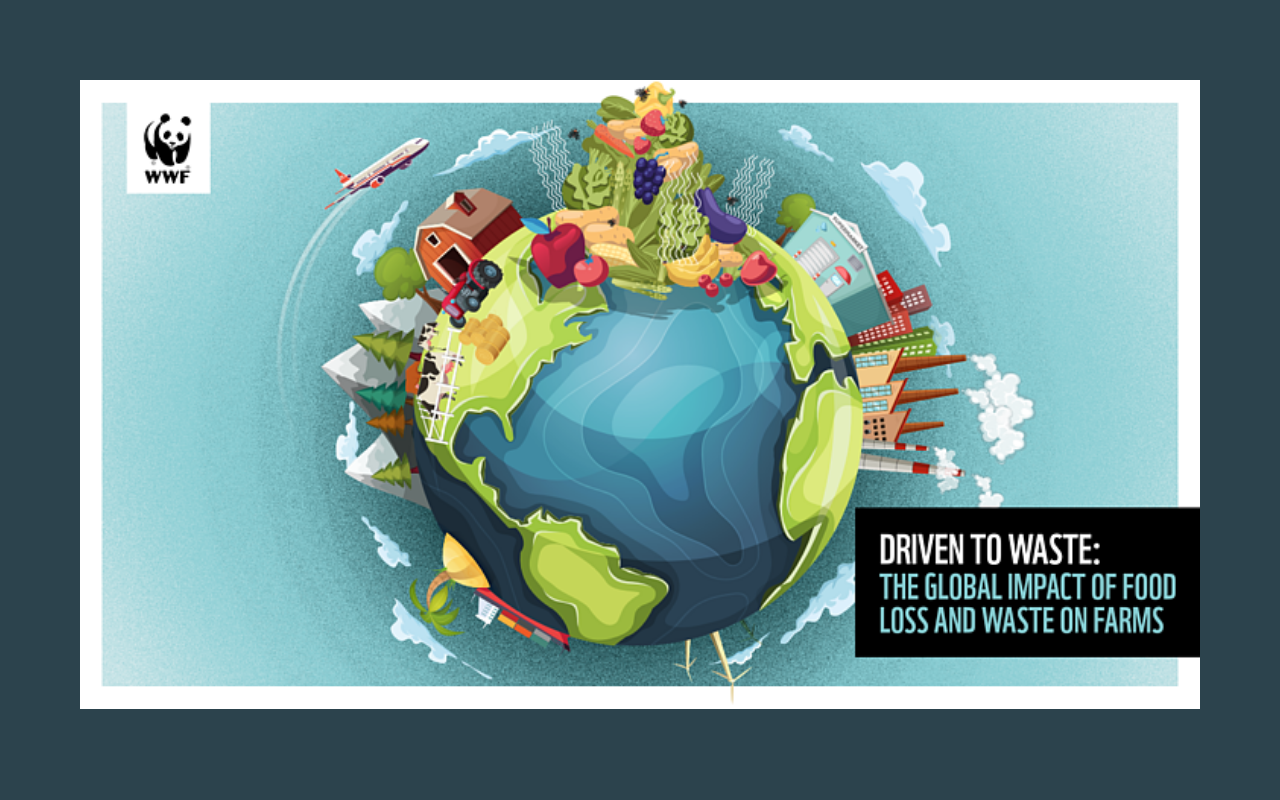
A globe surrounded by farms and food illustrates the global impact of food loss and waste, with a "Driven to Waste" headline.

How much do we actually waste, Mr. McFeely?

An interview with Peter McFeely (WWF)

The WWF has published a sensational study on food waste. The focus: farm-stage food waste. Peter McFeely, Global head of communications and strategic planning at WWF, explains what needs to be done.

Read more

Farmers work together weeding a lush green maize field under a clear blue sky.

How Smallholders became Commodity Suppliers

Small farmers are often left behind in African agriculture. Access to markets and improved competitiveness can only be achieved if the small farms join forces. But those affected in partner countries are often at a loss as to how to implement cooperative models. Here, the BMZ provides support through the SEWOH ONE World – NO Hunger initiative and the Social Structure Promotion (Sozialstrukturförderung).

A project by Deutscher Genossenschafts- und Raiffeisenverband e. V.

Read more

A complex network of colorful wires is intricately connected on a white circuit board, demonstrating electrical engineering.

The Future of Development Politics: Voices from the Parliamentary Groups
A Contribution by Journalist Jan Rübel

Representatives of the six parliamentary groups offer their views on the future of German development cooperation.

Read more

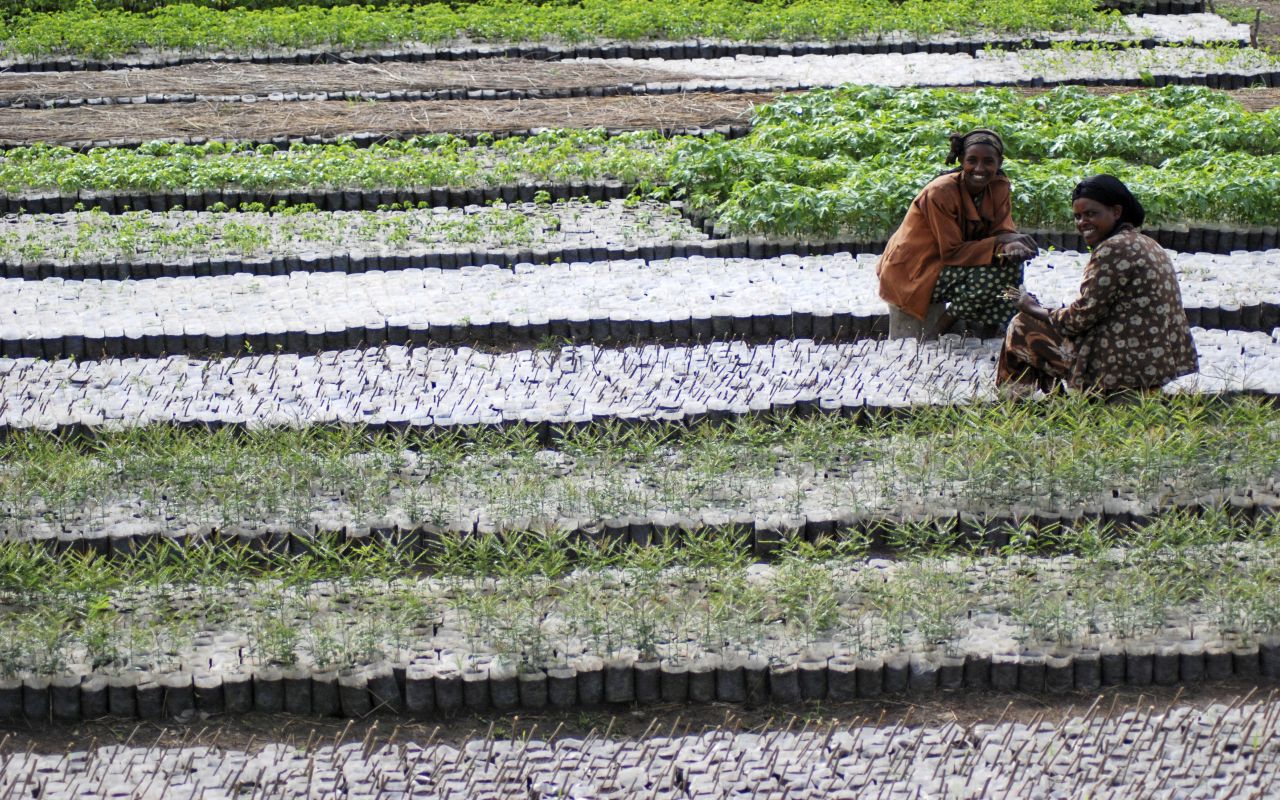
Two women are tending to rows of seedlings in a lush, organized nursery garden.

Cooperation and Effective Incentives for Sustainable Land Use

A Contribution by GIZ

The second GFFA expert panel highlights the need for governance action to reverse global trends of land degradation.

Read more

A woman in a floral dress stands peacefully in a lush green field under a cloudy sky.

What Needs to Change for Africa’s Youth, Ms Kah Walla?

An Interview with Kah Walla

A conversation with the activist and entrepreneur Kah Walla about what needs to change for young people in rural Africa.

Read more

A tree trunk is covered with locusts as a group of people and goats stand in the background.

Building Better Resilience to Transboundary Threats

A Contribution by the TMG Think Tank for Sustainability

Fuelled by climate change, desert locust plagues become increasingly frequent. A plaidoyer for a paradigm shift on handling transboundary crises.

Read more

Three people stand smiling on a modern staircase with photographers capturing the moment, reflecting a formal event.

From shared conviction to global response

A Contribution by Jan Rübel

The G7 is responding to the worsening global hunger crisis by mobilizing an additional $4.5 billion for this year alone. A key milestone for this in the run-up was the international conference on global food security "Uniting for Global Food Security".

Read more

Golden wheat stalks sway under a clear blue sky, capturing a serene agricultural landscape.

A dashboard as a key tool for global food security

A Contribution by BMZ

The Global Alliance for Food Security (GAFS), jointly launched by the German G7 Presidency and the World Bank, released the Global Food and Nutrition Security Dashboard during COP27: A Rapid Response Tool for Coordinating Global Action for Food Security.

Read more

A panel discusses food system transformation at the Global Forum for Food and Agriculture 2023, with a speaker at the podium.

How to govern food systems transformation

A contribution by Daniel Montas and Jan Rübel

The transformation of food systems is regarded as the new magic code, but effective strategies are lacking. A new group of experts discussed the prerequisites for efficiently managing this process. The experts representing politics, youth, civil society, farmers' organizations, private sector, and academia unanimously concluded: transformation is possible, but it needs a strong drive from within.

Read more

A winding road cuts through lush green mountains under a vast, clear sky, showcasing nature's breathtaking beauty.

“We want to overcome hunger and poverty”

An interview with Fernanda Machiaveli

After four years of the Bolsonaro administration, the new Brazilian government is trying to restart its engagement in agroecology, fighting deforestation in the Amazon and protecting indigenous communities and poor families from hunger. An interview with the Vice-minister for Rural Development and Family Farming, Fernanda Machiaveli.

Read more

An aerial view of a rural village showcases a network of dirt roads winding through houses and greenery.

“We have to focus on sustainability”

An interview with Karen Mapusua

Karen Mapusua, President of IFOAM Organics International Network, on the danger of the current fuel crises and inflation to loose track in sustainablity, why organic farmers should be heard and how the word “crisis” has a very different meaning where she lives in Fiji.

Read more

A man in a suit speaks at a podium under a colorful tent during a Farmers Day event.

Governor's Day with Farmers – For more discussion with local actors

A contribution by William Onura and Larissa Stiem-Bhatia

In agriculture it is important to include political stakeholders in the discourse. To build the bridge between practical application and political action, the think tank TMG launched the Governor's Day with Farmers in Kakamega County, Kenya. Now it took place for the second time. But what are the goals and benefits of the Governor's Day?

Read more

A woman in a red blazer speaks confidently in a modern conference room setting.

Podcast: Fighting world hunger together

Chancellor Angela Merkel in the Podcast of the Federal Government

At the start of World Food Week around World Food Day on 16 October, Chancellor Angela Merkel stressed that the fight against global hunger will only be successful with international responsibility and solidarity (german only).

Read more

A woman leans on a red and blue tractor in a field, using a mobile phone to connect with digital resources.

Can we democratize data in the age of digital extraction?

A contribution by Clare Crowe Pettersson & Lena Bassermann

The United Nations Committee on World Food Security (CFS) recently adopted new policy guidelines on the use of data and digital technologies in the context of food security and nutrition. What comes next?

Read more

A diverse group of people gathers for a photo at a UN event focused on desertification and drought awareness.

A Call to Action against Desertification

A contribution by GIZ

Every second, worldwide, we lose valuable and healthy soil with the size of four football fields. This was only one of the many facts being presented to a wide audience in Bonn and worldwide via livestream at the World Desertification and Drought Day on 17th June 2024. This was the 30th anniversary of the United Nations Convention on Combatting Desertification (UNCCD), which was celebrated at the Bundeskunsthalle in Bonn.

Read more

A person in a yellow shirt holds a tray of eggs, smiling inside a chicken coop filled with hens.

Cultivating tomorrow

A Contribution by GIZ

Africa’s largest youth generation has the potential to transform agriculture sustainably. Young entrepreneurs like Febelsa in Mozambique are building agricultural businesses that fuel local growth.

Read more

A group of professionals engaged in a lively discussion at a round table, with notes and a water bottle visible.

Coordination as a Game-Changer

A Contribution by Emmanuel Atamba & Larissa Stiem-Bhatia

Drawing on dialogues with experts in Kenya, TMG Research releases its latest policy brief highlighting the critical need to strengthen coordination mechanisms in food systems governance. Emmanuel Atamba and Larissa Stiem-Bhatia from TMG Research summarize the results.

Read more

Five women in colorful attire proudly display their land titles in Madagascar, celebrating empowerment and ownership.

Towards more equitable rural realities

A Contribution by GIZ

In the #HerLand campaign for COP16, the UNCCD is focusing on women as key players in conserving soils and combating drought. The Deutsche Gesellschaft für Internationale Zusammenarbeit (GIZ) has also contributed to the campaign focusing on securing women's land rights.

Read more

Participants engage in discussions during the SOILution P4C conference, with speakers addressing the audience from a stage.

Elevating Soil Health for a Sustainable Future

A Contribution by Kah Walla

In May, this year's "Partners for Change – SOILutions for a Food Secure, Resilient, and Sustainable Future" conference took place. Kah Walla, Moderator of the Conference and Director of Strategies!, summarises the discussions and declares that healthy soils are not just the foundation of agriculture, but the cornerstone of a resilient, equitable, and climate-smart future.

Read more

Two people wearing conical hats are working in a lush green rice field, engaging in a focused discussion.

'The Doors are Open - We Farmers are Ready'

An Interview with Shamika Mone (INOFO) and Elizabeth Nsimadala (EAFF)

At the UN Food Systems Summit, farmers organizations have been represented on the international stage for the first time ever. Two representatives talk about bridging personal aspirations with the representation of regional needs and international negotiations.

Read more

A small green plant grows from a glass filled with coins, symbolizing financial growth and sustainability.

What is Our Food Worth to Us?

A Contribution by the TMG Think Tank for Sustainability

Towards integrated accounting standards in the food and farming sector with the help of True Cost Accounting (TCA).

Read more

A traditional Namibian meal featuring oshifima, roasted meat, and beans is displayed on woven baskets with a colorful cloth.

African Nutrition - 'Try It at Home'!

A Video Series by Agribusiness TV and GIZ

Share in the taste of African Nutrition – Try it at home! The mini-series showcases traditional, nutritious dishes across the African continent.

Read more

Two workers wearing masks fill large sacks with grain in an outdoor storage area.

The lessons learned from the last food crisis - A solution?

A Contribution by Agnes Kalibata

Inadequacy and fragility of food systems becomes more apparent with every food crisis. The question we must answer is “Where do we go from here?”

Read more

Two hands hold a bowl filled with diverse African root vegetables and corn on a dirt background.

What does it take to truly shift the paradigm on food systems?

An Interview by GDPRD

Why are short- and long-term responses important to address current and future global crises? Sebastian Lesch, Head of the Agriculture Division at the German Federal Ministry for Economic Cooperation and Development (BMZ), provides answers to these and other questions in an interview with the Global Donor Platform for Rural Development (GDPRD) and explains how much Germany welcomes all donors pulling together and acting in concert.

Read more

A worker in a green shirt and red hard hat operates a control panel in a rural industrial setting.

"Human capital will play a pivotal role in the transformation of African economies"

A contribution by Ben Leyka

The potential the African food sector holds is still far too strongly associated with the continent’s natural resources, Ben Leyka maintains. He seeks to change this with the African Agri Council.

Read more

Four people engage in a panel discussion at a podium, with a backdrop featuring agricultural imagery.

And a semicolon in the middle

A contribution by Jan Rübel

After a two-year break due to Corona, the doors of the International Green Week (IGW) in Berlin are opening again. From 20th to 29th January, visitors from all over the world can discover, marvel and taste the produce. But the event is not only feasting and fun. The BMZ stand asks questions about where food comes from & where it goes – and in the process becomes a crash test for many habits.

Read more

Golden hay bales rest on a sunlit stubble field under a clear blue sky, evoking a tranquil rural landscape.

How farmers are facing the crisis

A contribution by GIZ

Russia's war against Ukraine and its impact on food, energy and fertiliser prices is worrying farmers all over the world. Young farmers, farmer organisations and politicians from Kenya, Chad and Ukraine tell their stories and what keeps them in agriculture.


Read more

A group of children with backpacks attentively listen to a woman explaining the chocolate-making process at an educational fair.

When sustainability becomes part of the curriculum

A contribution by Jan Rübel

During the trade Grüne Woche, school classes visited the BMZ (German Federal Ministry for Economic Cooperation and Development), Brot für die Welt and Misereor. Each class spends one hour at their stand to learn about the global challenges posed by food systems. A review by Jan Rübel.

Read more

A tugboat guides a massive cargo ship loaded with colorful containers across the ocean, symbolizing David vs Goliath.

David versus Goliath: Consequences of mainstream agricultural export commodities and niche products

An Artikel by the Initiative for Sustainable Agricultural Supply Chains (INA)

A study published by the Deutsche Gesellschaft für Internationale Zusammenarbeit (GIZ) examines the differences between globally traded agricultural commodities and domestic niche products in terms of economic, environmental and social impact on the region of origin. The results provide new evidence to make supply chains more sustainable.  

Read more

Visitors enter the Nürnberg Messe 2022 for the BioFach22 event, showcasing organic food and natural beauty products.

Organic certification as an opportunity for developing and emerging countries

An Interview with Dr. Julia Bellinghausen (IPD)

The Import Promotion Desk (IPD) accompanied organic producers from developing and emerging countries to Biofach. In an interview, Dr Julia Bellinghausen, head of the IPD, explains the importance of organic certification in export promotion.

Read more

The chart shows the FAO food price index from 2005 to 2022, highlighting crises and a rise during COVID-19.

COVID-19 and Rising Food Prices: What’s Really Happening?
A Contribution by IFPRI

Taking a look at the data (as of February 11th 2022) what the current price hike means for world hunger and what can be done to prevent from another food crisis.

Read more

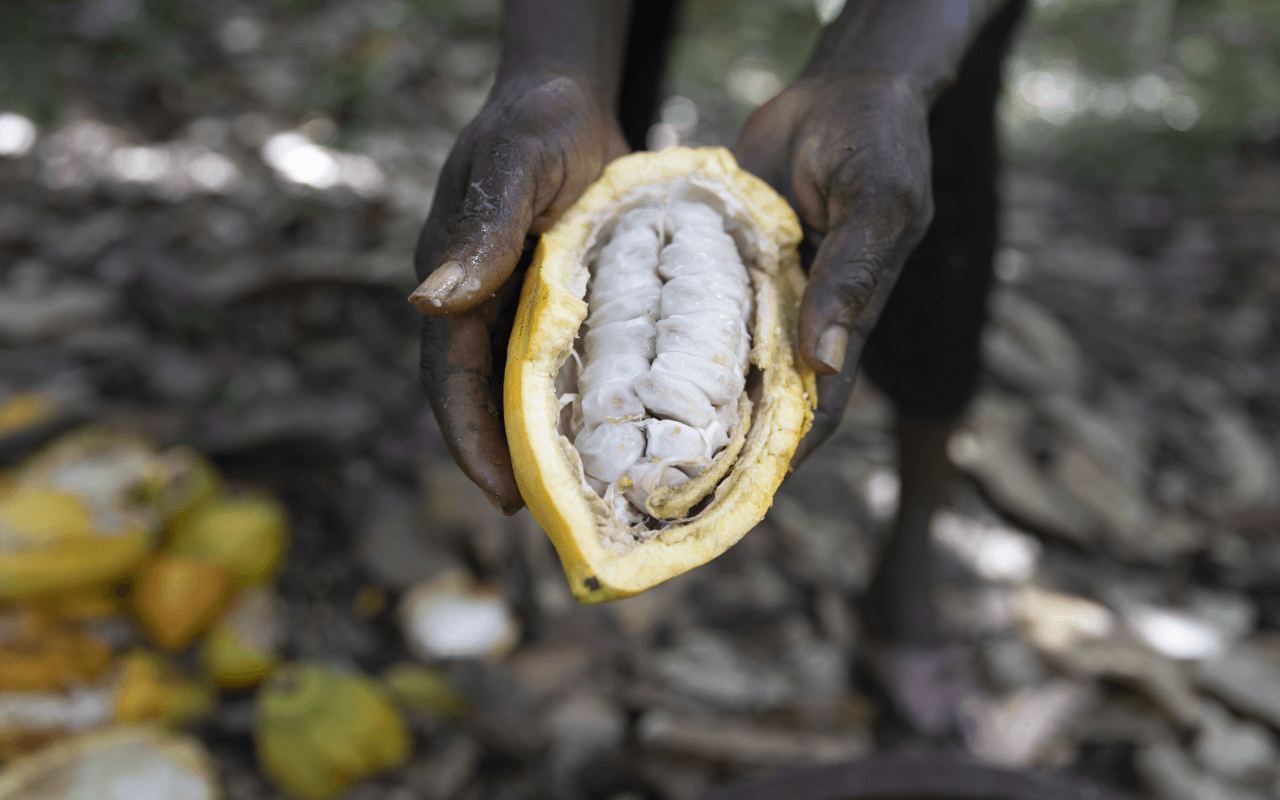
Hands hold an open cacao pod displaying the white seeds inside, highlighting the raw chocolate source. | © GIZ Ute Grabowsky

Côte d’Ivoire: Sweet Temptation without a Bitter Taste

A Story by GIZ

Until Easter 2022, GIZ publishes a new episode every fortnight introducing people who are committed to fair and sustainable cocoa in Côte d'Ivoire and Germany.

Read more

Flags of various countries flutter outside the COP27 venue against a clear blue sky.

COP27: Agri-food systems in the focus of the climate discussion

Stephanie Heiland, Project Manager at Sector Project Agriculture and part of this year’s Observer Delegation of the Deutsche Gesellschaft für Internationale Zusammenarbeit (GIZ) at COP27, shares her insights on the role of agriculture and food systems at the climate conference. Among other things, she reports from GIZ’s COP27 side event ‘Climate resilient agriculture and food systems in times of multiple crises and fragility’.

Read more

Aerial view of two people guiding oxen across a red, plowed field, highlighting agrifood transformation themes.

BMZ releases video on the transformation of agricultural and food systems

A contribution by GIZ

The Federal Ministry for Economic Cooperation and Development (BMZ) has released a video on the transformation of agricultural and food systems. In the video, Federal Minister Svenja Schulze also speaks about the urgent need to combat global hunger and contribute to resilient agricultural and food systems.

Read more

Four individuals stand together, holding and presenting a large policy document at a "Partners for Change" event.

Partners for change - Network meeting on transforming agricultural and food systems

A Contribution by the Federal Ministry for Economic Cooperation and Development

At the network meeting "Partners for change - Transformation to a food secure, resilient and sustainable future", almost 250 participants from over 20 countries came together to exchange experiences and ideas on the transformation of agricultural and food systems. The final product, joint recommendations to transform agricultural and food systems, can now be read online.

Read more

A large audience attentively listens to a panel discussion on "Partnering for Change" in an elegant, arched venue.

Just change starts with listening

A Contribution by Jan Rübel

Halfway through the 2030 Agenda, the BMZ invited participants to a network meeting entitled "Partners for change - Transformation to a food secure, resilient and sustainable future". Experts from around the world developed recommendations in a consultation process and then consolidated them in Berlin. A site visit.

Read more

An illustrated map showcases diverse agricultural and food-related activities on a vibrant island setting.

The Agri-Food Map: An interactive map to explore sustainable agri-food systems

A Contribution by GIZ

The complex interrelationships of the sustainable transformation of agricultural and food systems are not always easy to understand - the Agri-Food Map, an interactive online app, makes the comprehensive relations accessible by providing a wide range of comprehensibly prepared information.

Read more

Attendees engage in a discussion around a large table at the UNFSS event, with colorful decor adorning the wooden walls.

The UNFSS Stocktaking – shadow and a little light

A Contribution by Harry Hoffmann (TMG) & Nathalie Demel (WHH)

At the halfway mark of the 2030 Agenda and two years after the UN Food System Summit 2021, a stocktaking moment was held in Rome to analyze the progress of countries on the commitments to action in transforming food systems. Dr Harry Hoffmann, TMG Think Tank, and Nathalie Demel, Welthungerhilfe, were on site and take stock as well.

Read more

A woman feeds sheep in a rustic pen while a man observes during an agricultural event. | © Apollo Habtamu ILRI

Climate change mitigation and adaptation strategies for the African livestock sector

A Contribution by ILRI and GIZ

The production of animal-source foods is becoming increasingly difficult due to the impact of climate change on the livestock sector in Africa. Though, Livestock make a crucial contribution to food security in Africa. Three papers by the Federal Ministry for Economic Cooperation and Development (BMZ), GIZ, ILRI and World Bank analyze, how Africas future livestock sector can look like.

Read more

Vibrant Abidjan market scene with vendors balancing colorful fruits on their heads, creating a lively atmosphere. | © GIZ Toni-Kaatz-Dubberke

Young farmers as custodians of transformation

An Interview with William Madudike

How can rural economies become viable and modern? William Madudike, youth representative of the Zimbabwe Farmers Union (ZFU) and a potato farmer himself, examines this question. He argues that the whole rural economy and actors from producers to consumers need to be considered. An interview on the initiative role of youth.

Read more

Aerial view of a Madagascar landscape showing a patchwork of fields and a dirt road dividing dry and green areas.

Towards Climate Justice: Securing Women’s Land Rights for a Resilient Tomorrow

A Contribution by TMG

In the midst of global climate discussions, a resounding call emerges: Women's land rights must be the cornerstone of our climate actions. They're not just pieces of the puzzle; they form the foundation for true climate resilience. TMG Think Tank for Sustainability reports from the first African Climate Summit.

Read more

A smartphone displays the "Food 4 Transformation" podcast screen, flanked by wireless earbuds on a wooden surface.

New Podcast – Out now!

A Podcast by Food4Transformation

In a world facing crises – from pandemics, armed conflicts, and climate change – how do we ensure everyone has enough food within planetary boundaries? A new podcast by Food4Transformation discover solutions talking to government officials, scientists, NGOs and farmers around the world.

Read more

A woman in a blue headscarf carries freshly harvested onions in a vibrant field, showcasing sustainable solar irrigation.

Learning from Each Other

An Interview with Dr. Jacqueline Mkindi

Partnerships are needed to face the multiple shocks for food systems. This is what Dr. Jacqueline Mkindi, president of the Agriculture Council Tanzania (ACT) and CEO of the Tanzanian Horticulture Association (TAHA) states.

Read more

A vibrant display of fresh tropical fruits and vegetables, including cacao pods and clusters of red berries in Ecuador. | © GIZ Giacomo Rubini

The common thread is the importance of collaboration

A contribution by Scaling Up Nutrition Movement

It takes the joint efforts of diverse actors to achieve a transformative impact on the global food system. Barbara Rehbinder, Scaling Up Nutrition Movement (SUN), discusses four people-centred principles to get closer to this goal.

Read more

A smiling woman in a green shawl raises her hand enthusiastically during a conference meeting.

Shu Wen Ng, the Clear-Sighted

An Interview with Shu Wen Ng

Shu Wen Ng is a health economist. She knows what is best suited to go on a plate. But how can this be achieved on a mass scale in countries with lower incomes? "The solutions to gett there already exist," she says, "but what is often missing is courageous leadership to implement them."

Read more

A freshly plowed field stretches under a cloudy sky, bordered by trees and distant hills. | © GIZ

Reforming agricultural policies to sustainably transform food systems

A Contribution by IFPRI

Global food systems are confronted with multiple stresses. It is more urgent than ever to make them more resilient, healthier and more sustainable. A key tool in such a transformation is reforming agricultural policies and repurposing agricultural support, as discussed in an online seminar co-organised by the International Food Policy Research Institute (IFPRI).

Read more

A diverse group of individuals gathers at the P4C Network Meeting focused on sustainable food transformation.

Sustainable and Resilient Agri-Food Systems in Motion – We’re on it!

A Contribution by Kah Walla

This year's network meeting of the Partners for Change (P4C), a network of the German Federal Ministry for Economic Cooperation and Development (BMZ), took place in Nairobi, Kenya, on 26 and 27 June 2024. Kah Walla, moderator of the event and CEO of Strategies!, gives an insight into the key findings and learnings.

Read more

Delegates sit around a large conference table at the Global Forum for Food and Agriculture, discussing sustainable practices.

Bioeconomy: Ready for a Joint Take-Off?

A Contribution by GIZ

The bioeconomy movement is fundamentally changing agriculture and food production: through innovative ideas, environmentally friendly approaches and the realization that we need to work together globally to ensure that change truly benefits everyone. At this years’ German Forum for Food and Agriculture (GFFA), the German Federal Ministry for Economic Cooperation and Development (BMZ) focused on this topic.

Read more

A woman at a trade show proudly displays organic food products in front of a booth showcasing diverse packaged goods.

BIOFACH as a game changer for organic producers

A Contribution by Claudia Jordan

In 2025, GIZ and the Import Promotion Desk (IPD) celebrate ten years of successful cooperation. With their joint stand at BIOFACH trade fair in Nuremberg, they were able to introduce over 300 organic companies of partner countries to the European market. And the journey continues – despite challenges on the global market.

Read more

A diverse group of professionals gather for a conference, posing together in a spacious lobby surrounded by greenery.

Adapted financial services – a key to transformation

A Contribution by GIZ

In March, delegations from nine partner countries met in Berlin at the Partner Conference Scaling Access to Finance for Agripreneurs. Alongside AUDA-NEPAD, IFAD, BMZ, GIZ, and others, around 100 participants worked on practical solutions to support financial inclusion in agricultural transformation and hand over their conclusions to the AU's Kampala CAADP process.

Read more

A person writes on orange cards during the Partners for Change Conference, surrounded by colorful stationery and notes.

Everything is nothing without Soils

A Contribution by Jan Rübel

The international soil conference ‘Partners for Change - SOILutions for a Food Secure, Resilient, and Sustainable Future’ brought together almost 150 different stakeholders in Berlin from 20 to 22 May. Its aim: to take stock of existing conservation programmes and pave the way for the future.

Read more

A group of five smiling individuals stands in a bakery, showcasing freshly baked goods on metal racks.

With the power of fried bread

A contribution of Jan Rübel and Fabio Rappenecker

With a simple but effective idea to combat malnutrition: in Nairobi, Fabio Rappenecker and his start-up TenX Nutrition produce mandazi, which become a real power biscuit thanks to added micronutrients. The aim is to strengthen food security through local, affordable and healthy food.

Read more

The white paper cover on a green gradient background discusses financing agrifood systems for sustainable development.

Financing Agrifood Systems for People, Planet and Prosperity

A Contribution by Global Donor Platform for Rural Development

The Global Donor Platform for Rural Development has recently published a new White Paper titled “Financing Agrifood Systems for People, Planet and Prosperity.” It outlines a practical agenda to unlock the capital, partnerships, and innovation required to drive change at scale.

Read more

Fishermen in Bangladesh skillfully handle large fishing nets under a clear sky. | © GIZ Ranak Martin

A Menu of Solutions

A Conversation with Shakuntala Thilsted & Andreas Schaumayer

On the sidelines of the UN Ocean Conference (UNOC 2025), Andreas Schaumayer, Head of Division at the German Federal Ministry for Economic Cooperation and Development (BMZ), and Shakuntala Thilsted, Senior Nutrition Expert at CGIAR, discussed the crucial role of aquatic foods in nutrition, livelihoods, and climate resilience.

Read more

Children sort fish on the ground while a woman carries a blue bucket on her head in a lush outdoor setting. | © F4F GIZ Zambia

Let Me Tell You: How Zambia Uses Comics and Animation to Inspire Healthy Eating

By Jana Anouk Mansour

As part of the “Let Me Tell You” series, children across Zambia are discovering fun stories that teach the importance of good food and healthy habits such as fish. Let’s dive into one of these tales together…

Read more