Newsletter
Don't miss a thing!
We regularly provide you with the most important news, articles, topics, projects and ideas for One World – No Hunger.
Newsletter
Don't miss a thing!
We regularly provide you with the most important news, articles, topics, projects and ideas for One World – No Hunger.
Please also refer to our data protection declaration.
An Interview by Claudia Jordan
Partnerships are needed to face the multiple shocks for food systems. This is what Dr. Jacqueline Mkindi, president of the Agriculture Council Tanzania (ACT) and CEO of the Tanzanian Horticulture Association (TAHA) states.

How do you understand the Transformation of Agricultural and Food Systems?
Dr. Jacqueline Mkindi: There is a very good commitment from various partners, but we need to do more. Especially now, that our food system is exposed to a number of shocks: Be it COVID-19, climate change, global economic crises. We need to come up with new ways of doing things. We need to build resilience of food systems. We also need to hold the smallholder farmers at the center of the transformation process, because they are the majority players when it comes to the food system. And they are the ones who are facing the challenges.
“We must sharpen our strategies against climate change.”
What are the challenges farmers face in Tanzania?
One of the challenges not only in Tanzania but cross cutting in Africa is the low productivity. This is because of a limited application of technology – technologies as fertilisers, irrigation, smart agriculture in data collection, with sensors, drones, satellites. You need an enabling environment, the right policies and regulations for availability but also affordability.
Secondly, we must sharpen our strategies against climate change. We need to mitigate the shocks with extreme temperatures, droughts, floods – you name it. We are seeing new pests and diseases now. Seeds, inputs that were giving us very good yields some years ago are not providing the same results today.
Another problem we face is the unpredictability of policies. We wake up in the morning and there is a policy announcement that distorts trade. Once trade is distorted, the producer is affected. Leave alone the infrastructure challenges. Now in Africa we are talking about regional integration. But a lot has to be done in enhancing our logistics and transport systems.
How do you with your organisation address these challenges?
TAHA is a member-based organisation and we actually are focussing on the horticulture sector in Tanzania. We make sure that our services are actually addressing the system, all the components of the value chain. Starting with the production, we try to come up with robust extension and support services to our farmers. We are now even digitalising our extension system. We are not only physically visiting farmers, but they can use their mobile phones and other platforms to access our support services. We are also providing timely business and market information to farmers. Because if farmers are aware of what is happening beyond their area of influence, they are empowered to make the right decision.
How many members do you have?
About 40.000 farmers are member of TAHA and about 770 institutions. It's actually the largest farmer-based organisation in Tanzania. The strategy that we use is information, extension, market access support services, as well as advocacy. When there are issues around the government, for example a policy change affecting us, we are very fast in doing the research, packaging the information properly and advocate on behalf of the sector.
This morning for example, you received the news that maize is not supposed to be exported outside of Tanzania anymore. How do you address this problem?
This goes beyond my activity with TAHA. I'm also the chairperson of the Agriculture Council. We are also the voice of the private sector in agriculture. We're holding meetings with stakeholders, arrange a discussion with the government just to understand where they are coming from and the implications of this new regulation. For that we can inform the private sector.
You might have made such experiences also in the past. How did that work?
Most of the time, such decisions cause irreparable loss to the private sector. We have often been able to discuss with the government and probably sometimes a ban was then uplifted.
What are your expectations with regards to German development cooperation?
Compare notes. We are here to learn from each other. Talking about farmers in Germany is not the same as talking about farmers in Africa. It is very important that we also learn from your strategies and services, relationships, how you engage with the government in advancing the issues of farmers. But I think it's also important for you to learn about us.
“Women need to be informed about their land rights.”
What policies should be changed or newly implemented in the future?
Policies around access to finance, that govern financial institutions and services in our countries. Access to land is also very important. We don't have an agricultural policy that protects our agricultural land. We need to improve capacities of institutions that are responsible for land use planning, management and packaging. Another important issue is land rights.
How is the situation of women and youth in this regard?
Women in Tanzania are allowed to inherit and own land. There are extreme cases, when a family would reject the widow from accessing the land. But if that woman gets assistance from legal organisations, you find that this woman will get the rights. But only if she's very informed and properly guided by legal organisations or other kinds of institutions. Women need to be informed about their land rights.

Read more The lessons learned from the last food crisis - A solution?

Read more What does it take to truly shift the paradigm on food systems?

Read more "Human capital will play a pivotal role in the transformation of African economies"

Read more When sustainability becomes part of the curriculum

Read more Organic certification as an opportunity for developing and emerging countries

Read more COVID-19 and Rising Food Prices: What’s Really Happening?
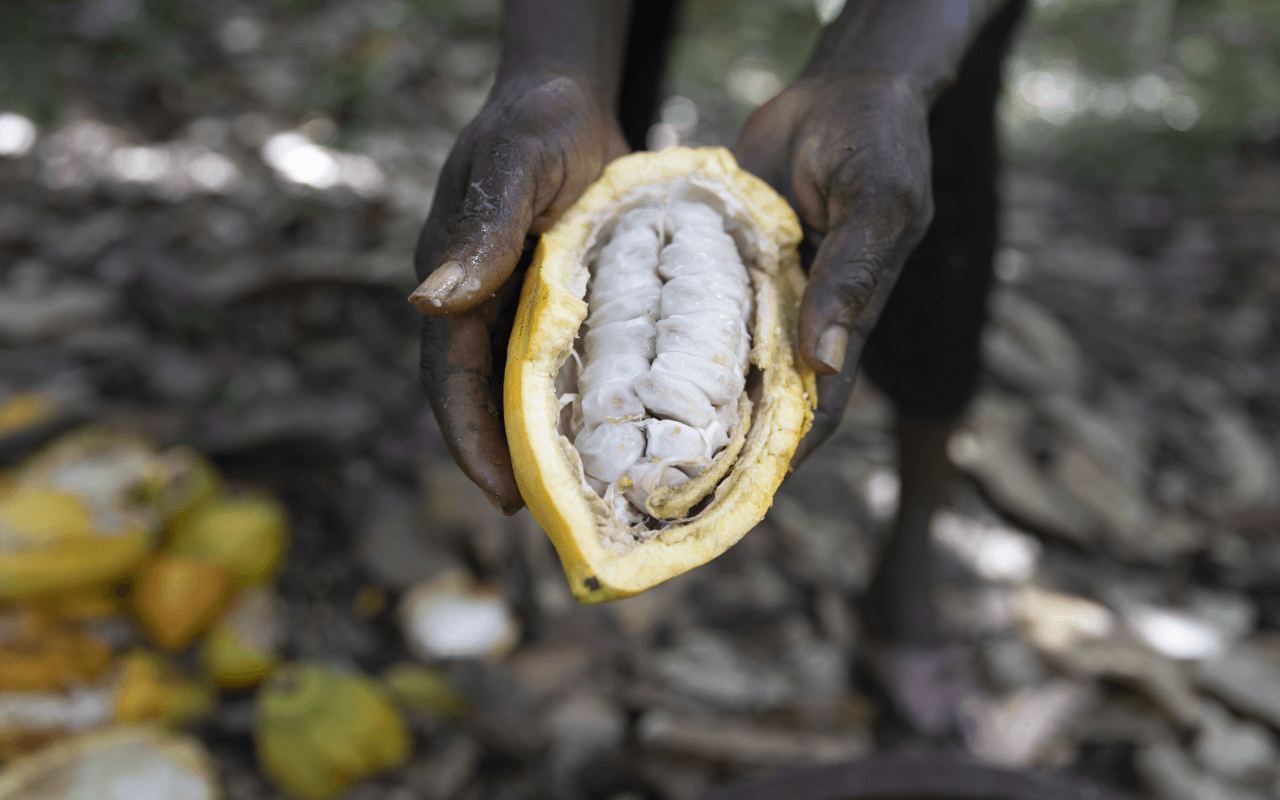
Read more Côte d’Ivoire: Sweet Temptation without a Bitter Taste

Read more COP27: Agri-food systems in the focus of the climate discussion

Read more BMZ releases video on the transformation of agricultural and food systems

Read more The Key to Transforming Food Systems Lies in Inclusive Governance

Read more Partners for change - Network meeting on transforming agricultural and food systems

Read more The Agri-Food Map: An interactive map to explore sustainable agri-food systems

Read more Climate change mitigation and adaptation strategies for the African livestock sector

Read more Towards Climate Justice: Securing Women’s Land Rights for a Resilient Tomorrow

Read more The common thread is the importance of collaboration

Read more Reforming agricultural policies to sustainably transform food systems

Read more Sustainable and Resilient Agri-Food Systems in Motion – We’re on it!

Read more Adapted financial services – a key to transformation

Read more Let Me Tell You: How Zambia Uses Comics and Animation to Inspire Healthy Eating

Read more Financing Agrifood Systems for People, Planet and Prosperity

Read more "The Agri-Sector is a Space of Opportunity and Entrepreneurship"

Read more Partners for Change: From Shared Insights to Concrete Action

Read more How the self-help approach empowers smallholder women

Read more Global responsibility: Tackling hunger is the only way forward

Read more ‘Invite yourself’ – Farmers organisations as key stakeholders of food systems

Read more Governor's Day with Farmers – For more discussion with local actors

Read more Farmers' organizations want to be involved in designing agricultural policy

Read more Strengthening the market linkages of smallholders in the face of global supply shocks

Read more "We have high expectations of the Kampala Declaration"

Read more Two decades of global partnerships and farmer empowerment

Read more “I feel the weight of hundreds of millions of farmers”

Read more Digital participation in the agrofinance sector: rural development and women's inclusion

Read more Gender-Transformative Approaches – Unlocking Everyone’s Potential

Read more A political opportunity to overcome structural barriers for women farmers

Read more Food Systems, Law, and Social Inclusion: Reflections from Kenya