Newsletter
Don't miss a thing!
We regularly provide you with the most important news, articles, topics, projects and ideas for One World – No Hunger.
Newsletter
Don't miss a thing!
We regularly provide you with the most important news, articles, topics, projects and ideas for One World – No Hunger.
Please also refer to our data protection declaration.
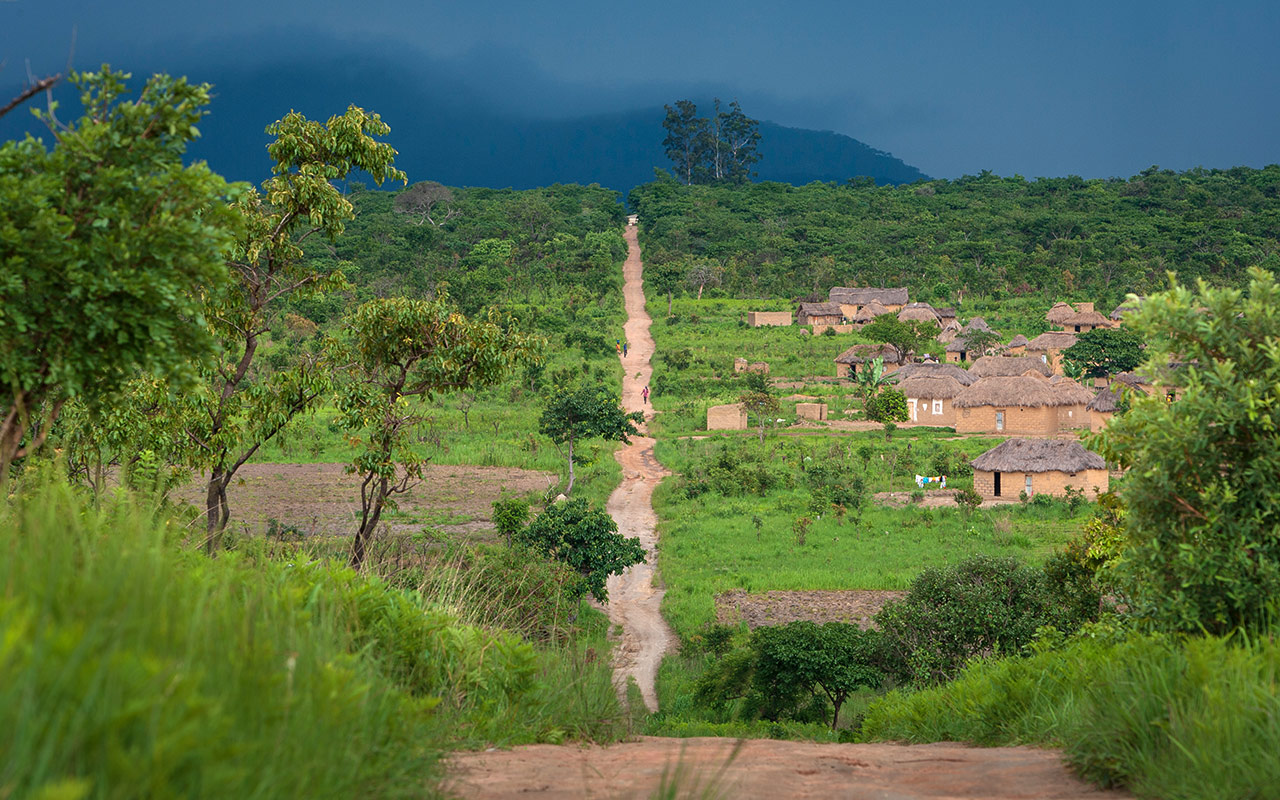
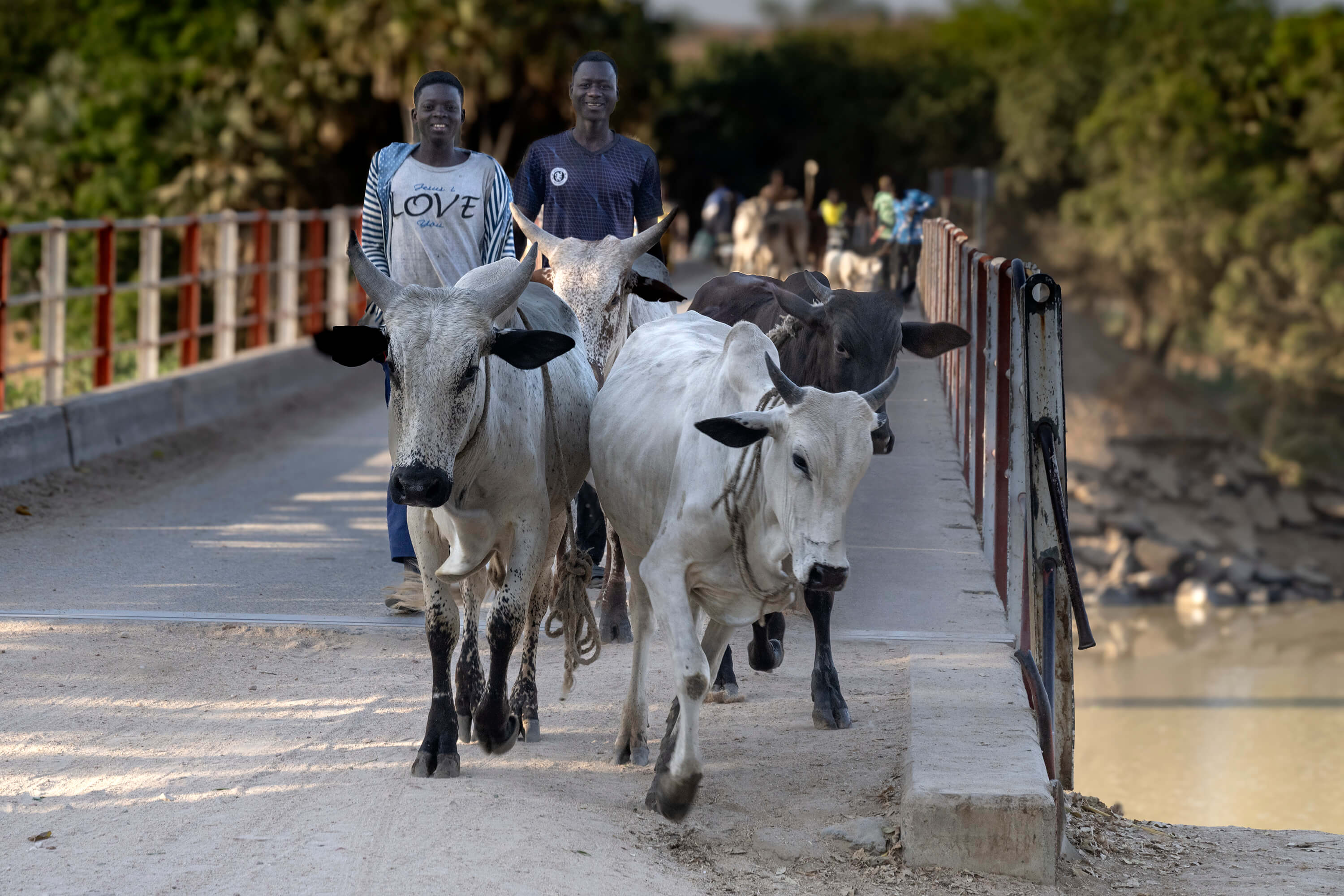
Rangelands cover up to 54% of the global land surface – and pastoralism is one of the eldest forms of land use; yet it is rarely discussed. Now the UN has declared 2026 the International Year of Rangelands and Pastoralists. What prompted the organization to do that and what do pastoralists really need? Three experts share their insights.

Why was the International Year of Rangelands and Pastoralists declared?
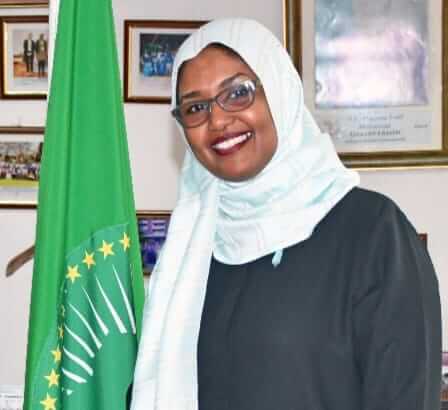
Dr. Huyam Salih: There is growing global attention on livestock systems. When experts analyze greenhouse gas emissions, they find that pastoralism is one of the most environmentally protective systems. It is environmentally friendly and conservative. Therefore, we must support rangelands and bring pastoralists into decision‑making spaces. Sustaining rangelands contributes to climate mitigation and adaptation. Pastoralists are not only caretakers of animals – they provide essential nutrition, especially in Africa, where malnutrition remains widespread.
Around 300 million people depend on pastoralism, which covers 43% of the continent. After decades of neglect, it is time to elevate their voices.
Are pastoralists perspectives sufficiently integrated into decision making processes on rangelands? What is challenging sustainable rangeland management?
Dr. Salih: I believe we are advocating for and amplifying the voices of pastoralists themselves, ensuring that pastoralism is recognized as a transformative component for animal production and economic growth on the continent. But the challenges are many. We face uncontrollable factors such as climate change. Conflicts between pastoralists and crop farmers are increasing, and pastoralists are often neglected in policy frameworks. The core issue is how to coordinate the different sectors that support rangeland sustainability and resilience across the continent.
Monicah Yator: Yes, we face many challenges. Climate change is causing intense rainfall followed by prolonged dry spells, which trigger massive soil erosion. Viable grazing land is shrinking, and competition is intensifying. This often leads to inter‑community conflict, exacerbated by the proliferation of small arms. Traditional governance systems have weakened. Historically, elders managed grazing rotations, but today they no longer oversee these areas. As a result, tensions between youth and elders are rising. The cultural practice of rotational grazing is fading because young people no longer understand this governance system.
How would you describe a pastoralist’s life?
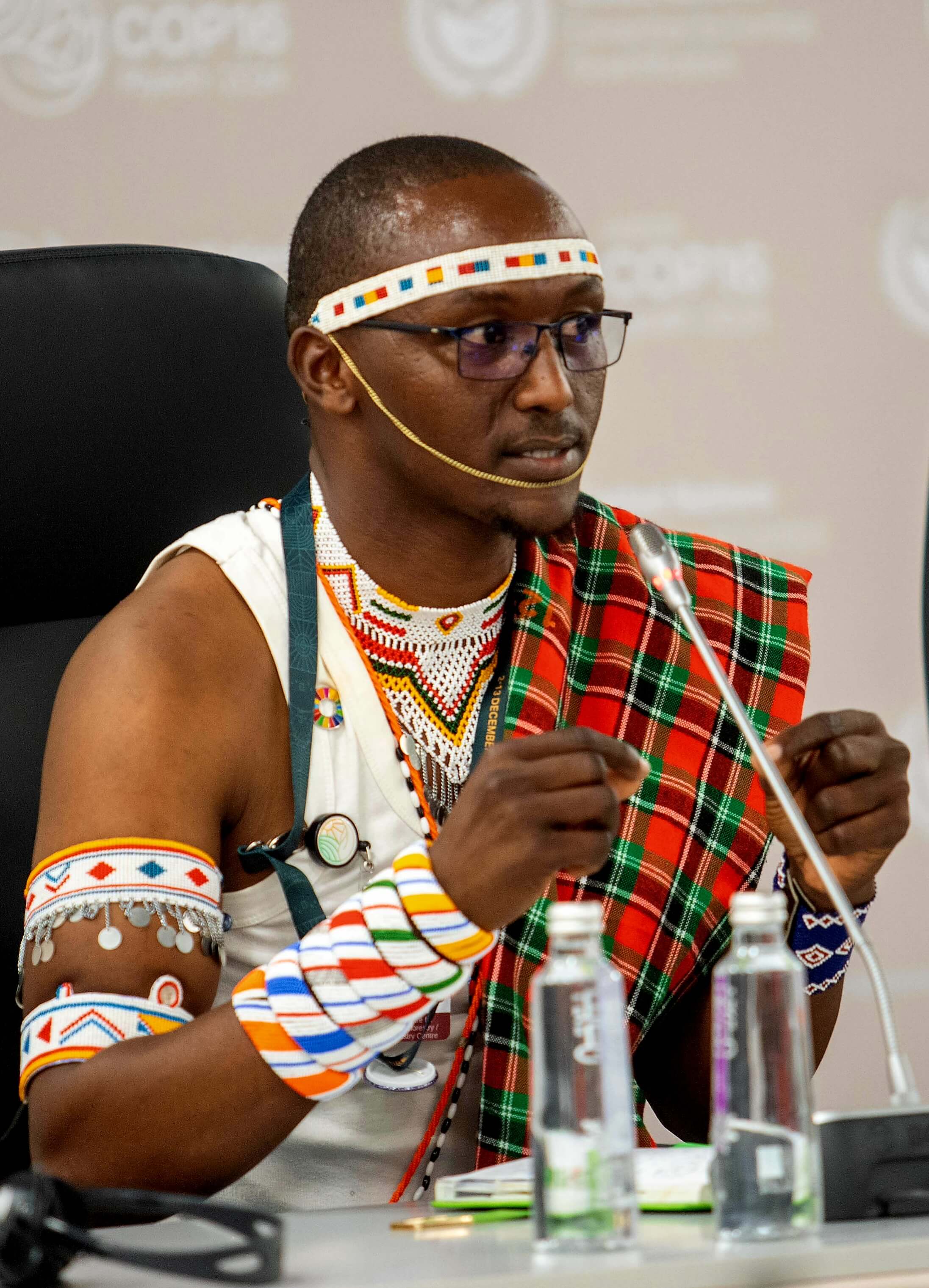
Jacob Lekaitogo: It is deeply rooted in identity and culture. It is a livelihood and an economic system in its own right. It is not dependent on external input factors, but it is a complete system. It requires minimal input, and even the less fortunate in the community can invest in pastoralism and succeed.
Pastoralism is not only a livelihood; it is a lifestyle with strong cultural attachment. This shapes the entire way of life, as communities are socialized to care for livestock. Through education and training, some have diversified – they keep livestock and also grow crops. – Monicah Yator
Ms. Yator, you already mentioned the conflicts between farmers and pastoralists - one of the continent’s most complex crises. In your country, almost 40% of households in pastoralist regions reported that their livestock production had been directly affected by armed conflict. Do you see any opportunities to resolve all of this in general?
Yator: Absolutely. We must live in harmony. We need livestock keepers because they provide milk and meat, and we need farmers because they grow crops. We must balance these systems – they are interconnected.

Which trends are most likely to reshape pastoralist systems in the coming decades, positively or negatively?
Lekaitogo: If pastoralist youth are not involved, the entire system risks collapsing. Governments must recognize pastoralism as a viable system, not a fallback option. Land tenure and land security are also critical. Without land, pastoralism has no future.
Dr. Salih: I agree. From a continental perspective, the African Union developed the Policy Framework for Pastoralism in Africa in 2010, positioning pastoralists as actors rather than obstacles. This policy shift is essential and must continue. We need integrated policy architecture rather than fragmented approaches. Regional integration is crucial because pastoralists are mobile and cross borders. Policies must be translated into action. When we see pastoralists as actors, we consider how to support sustainable practices, natural resource conservation, and climate resilience. This shift must be reflected in every decision, project, and national program affecting pastoral systems.
Let’s return to the UN’s initiative this year to focus on rangelands and pastoralists. What do you expect from it?
Yator: For this International Year of Rangelands, we need to support our young generation, the growing generation. If possible, educate our children to know their rights and their positive contributions to international development agendas. I see enormous potential there, which is far from being fully realised. More needs to be done to create more awareness about pastoralism, especially with policymakers. Rangelands are still undervalued particularly compared to forests. Let me give you an example: The Kenyan government has placed strong emphasis on rainfed areas, including plans to plant 15 billion trees, while the restoration of rangelands tends to be overlooked. So again, we need a comprehensive bottom-up process which could empower whole regions, the voices of pastoralists to the national policies so that we can address land degradation.
What is needed to turn this momentum into structural change?
Dr. Salih: Cross‑border pastoral mobility must be supported through regional governance models. We are working on projects that support rangeland management and the marketing of pastoral products. This is an opportunity to highlight the value of pastoral systems – not only for pastoralists but also for the private sector, which sources and processes livestock. Showcasing the profitability of this sector can attract financial institutions to develop tailored products. We must promote best practices for climate adaptation and mitigation throughout the year.
Could you give a concrete example of such best practices?
Lekaitogo: Pastoralists already practice best‑in‑class interactions with nature – they simply haven’t been recognized. Best practices should not be imported from elsewhere. Western agricultural models may not work in African contexts. Climate change requires adaptation; some livestock breeds have become too fragile. But there is something you can do. In Laikipia, where I come from, pastoralists have adopted farming. It is located in central Kenya, north-west of Mount Kenya. The landscape consists of vast savannahs, bushland and gorges – the region is a melting pot of nature conservation, commercial agriculture and traditional livestock farming. This is where positive learning processes come into play: When drought wipes out livestock, pastoralists can still earn income via farming and reinvest in pastoralism.
How does the younger generation view these issues?
Lekaitogo: For youth, land fragmentation creates insecurity. Individual land ownership leads to fencing, which restricts mobility. Under these conditions, pastoralism becomes fragile.
Yator: From a feminist perspective, women often do not benefit equally from pastoralism because it traditionally favors men. Education and awareness of women’s rights are key. We have laws protecting women, but we need more community engagement, economic education, and access to capital for women to start businesses.
Do you see progress?
Yator: Yes. I am a pastoralist, and my husband supports my work. Education and awareness of my rights made this possible. I will pass this on to my daughter.
And how does your experience compare to that of other women in similar contexts?
Yator: Increasingly, women are no longer just ‘silent observers’ in community gatherings. Through grassroots mobilization, more women are participating in traditional decision-making bodies like the Kokwet or community councils. Just as it changed my life, education is the primary catalyst: More pastoralist girls are remaining in school, which delays early marriage and empowers them with the legal literacy to understand that rights are not ‘gifts’ from men, but inherent human entitlements.
And this empowerment has economic consequences too, doesn’t it?
Yator: Of course. Jacob was just mentioning that pastoralists are increasingly taking up farming – women are leading the way in Agroecology. By managing seed banks and kitchen gardens, they are creating independent income streams that provide them with ‘negotiating power’ within the household.
Climate change has long affected rangelands and pastoralism, but its impacts appear to be intensifying. How would you describe these changes in recent years?
Dr. Salih: Climate change is having an impact at various levels, and its consequences are becoming increasingly severe for us. The tragic thing is that the challenges pastoralists face are not caused by them but by the surrounding environment and policy failures. But it’s no use: we know of a few solutions, and we must continue to point them out: Best practices include maintaining animal feed and preparing for dry seasons. Early warning systems must be improved so pastoralists know how much fodder is needed before drought hits. Governments must support data ecosystems that track livestock distribution and needs, combined with climate forecasts. This allows advance planning, contracting with private sector suppliers, and identifying water and fodder availability along mobility routes.
Is this already working?
Dr. Salih: We have implemented this in six African countries, namely Cameroon, Kenya, Nigeria, Somalia, Uganda, and Zimbabwe. But it must be scaled up. Regional coordination is essential because countries can exchange feed and fodder. Some countries are better suited for fodder production and can support others. We have created multi‑stakeholder platforms bringing together banks, governments, and pastoral associations. This has led to “deal rooms” that attract youth and financing institutions. Viewing pastoralism as a business is key to sustaining the system.
Are young people open to these best practices? How do they see their future?
Lekaitogo: Pastoralist youth are hopeful but uncertain. They see the potential of the livestock economy but feel frustrated by limited support, recognition, and opportunities.
Negative stereotypes about pastoralism discourage them. If markets are weak and prices unfair, they may migrate. Without dignity and recognition, youth may abandon pastoralism.
What would help them to carry on? Institutional support?
Lekaitogo: Youth initiatives lack investment and trust. Grant applications are bureaucratic and inaccessible. When young people are asked for documents they do not have, they feel excluded from a system they should be part of.
Yator: Pastoralism has long been marginalized. We must highlight its economic value and support climate adaptation. Insurance is important – people must learn to insure their livestock. Universities should offer more programs on pastoralism and livestock economics.
Is there too much bureaucracy in support programs?
Dr. Salih: Yes, bureaucracy is a problem. We created a platform for youth in livestock and developed a ten year flagship program supported by a catalytic fund by donors to generate more sustainable private finance. Development cannot rely solely on donors. This private-generated fund will support youth initiatives and create an enabling environment for pastoral business.
What is the name of this initiative?
Dr. Salih: It is called the Integrated Regional Livestock Value Chains. Africa’s population is growing, and although the continent exports some animal products, 90% of its consumption is imported. The market is huge and will grow significantly by 2050.
By 2050, Africa’s population will double…
Dr. Salih: …and the future of livestock is promising. Thirty percent of African children suffer from protein malnutrition. The potential is enormous. The program will incubate innovative pastoral markets, especially for youth, and support policy environments at national, regional, and continental levels.
Which investments or financial mechanisms are critical for pastoralist development?
Lekaitogo: Ninety percent of the meat consumed in Kenya comes from the arid and semi-arid lands. We must invest directly in pastoral livelihoods – not to change pastoralism, but to support it. If mobility is essential, fund mobility. If diversification is essential, support diversification. Communities keep different livestock species adapted to different climates – this should be supported.
Yator: Livestock is the backbone of dryland economies and contributes significantly to GDP. Restoring rangelands can increase income.
Lekaitogo: Funding should go directly to pastoralists, not intermediaries. Innovation should also be supported. For example, youth are using elephant dung to grow mushrooms, generating income. Others preserve meat so it lasts up to two years. These innovations can attract youth and sustain pastoralism.
Are these trends reflected elsewhere?
Dr. Salih: Yes. Similar patterns exist in Sudan, Somalia, Ethiopia, and North Kenya. Innovations such as food preservation have long existed but must be scaled. Youth frustration can drive innovation. We must align continental policy, regional trade integration, animal health practices, and climate smart rangeland management.
That is a lot to take in.
Dr. Salih: We are not only sustaining pastoralism – we are unlocking inclusive growth for entire countries and the continent. The African Union has adopted policies promoting a shared vision: pastoralists are not beneficiaries but actors.
What is needed now is a shift in priorities. First, stronger political commitment to place livestock production at the centre of Africa’s agricultural sector, alongside a more accurate assessment of its contribution to agricultural GDP, including the economic value of pastoral systems.
Second, more effective public governance to protect and restore rangelands, secure pastoral routes and water access, and enable private investment. This also means supporting local value addition, for instance in animal processing, rather than relying on live animal exports, with clear benefits for employment, especially for young people.
Third, greater investment in research to build a solid evidence base on Africa’s greenhouse gas emissions, including livestock across different production systems. This should inform policy, while also supporting climate adaptation strategies rooted in African contexts and recognising the value of indigenous knowledge in mitigation and resilience.
Looking ahead to 2050, what would a resilient, sustainable, and inclusive pastoralist system look like?
Lekaitogo: I envision a climate resilient pastoralism recognized as a modern, viable livelihood. Demand for meat and animal products will remain high. I see digitally connected pastoralist youth and greater recognition of indigenous knowledge.
Yator: We will see more young pastoralists and better market integration of pastoralists’ products in countries of the Middle East and Europe. The economic value of rangelands is becoming more widely recognized.

Read more Resilient small-scale agriculture: A key in global crises

Read more One Health – What we are learning from the Corona crisis

Read more The hype about urban gardening: farmers or hobby gardeners?


Read more The North bears the responsibility, the South bears the burden

Read more Biodiversity and agriculture – rivalry or a new friendship?

Read more Food System Transformation Starts and Ends with Diversity

Read more Engaging the Community to Solve the Bushmeat Crisis

Read more How to Enhance Soil Organic Carbon – Uniting Traditional and Innovative Practices

Read more Building climate-resilient and equitable food systems: Why we need agroecology

Read more Why biodiversity is important for climate protection & food security - and vice versa

Read more Working with nature for diversity in farming, climate protection and empowerment

Read more Adapted financial services – a key to transformation

Read more "The Agri-Sector is a Space of Opportunity and Entrepreneurship"

Read more Climate Adaptation Summit 2021: ‘We can do better’

Read more Mr. Samimi, what is environmental change doing to Africa?

Read more Ms Rudloff, what are the benefits of a supply chain law?

Read more Freed from trade? Towards a fairer EU Trade Agenda

Read more What do you expect from this Pre Summit, Mr. Haddad?

Read more Mr. Campari, how do we create sustainable food systems?
Read more Mr. Marí, what happened at the alternative summit?

Read more City, Country, Sea: 6 Innovations in the Fight Against Climate Change

Read more ‘None of the Three Traffic Light Coalition Parties is Close to the Paris Agreement’

Read more ‘Preserving and restoring fertile soils is a global responsibility.’

Read more Food security is more than production volumes and high yields

Read more Strengthening food markets across the rural-urban continuum

Read more Climate change mitigation and adaptation strategies for the African livestock sector

Read more Food Systems, Law, and Social Inclusion: Reflections from Kenya

Read more Is the international community still on track in the fight against hunger?


Read more The state of food security in Cape Town and St. Helena Bay

Read more School Feeding: A unique platform to address gender inequalities

Read more Success story allotment garden: Food supply and women's empowerment


Read more Planetary Health: Recommendations for a Post-Pandemic World

Read more This is how developing countries can adapt better to droughts

Read more How can the private sector prevent food loss and waste?

Read more Building Better Resilience to Transboundary Threats

Read more How are transformation and crisis intervention related, Dr. Frick?

Read more 5 Questions for Jann Lay: What is Corona doing to the economy?

Read more Agricultural prices and food security – a complex relationship

Read more What is needed for a long-term fertiliser strategy?

Read more From Pledges to Progress: Nutrition at the Heart of Inclusive Development

Read more Youth as key actors for a transformation of agri-food systems

Read more When sustainability becomes part of the curriculum

Read more Stepping into the future: How youth organisations are driving change