Against the backdrop of the COVID-19 pandemic, health is receiving unprecedented public and political attention. Yet the fact that climate change also presents us with a health crisis deserves further recognition. From more deaths due to heat stress to endangering food security and access to clean water, climate change affects the environmental and social determinants of health in ways that are profound and far-reaching.
The year 2019 was marked by increased awareness of the climate crisis, driven in part by youth movements around the world. Yet while this urgency was reflected in the language of many politicians, it did not translate into concrete action. The UN Climate Summit in Madrid (COP25) exposed the huge disparity between growing societal demands for strong climate action and official outcomes driven by the diplomatic communities responsible for crafting global rules under the Paris Agreement. Considered “disappointing” by UN Secretary-General Antonio Guterres, COP25 did not deliver.
The year 2020 has been marked by a new global crisis, the COVID-19 pandemic, which has focused public and political attention on health like never before. And although they have not yet been foregrounded in climate discourse or action, the health impacts of climate change are also profound and far-reaching. These health risks – some of which are highlighted below – deserve to be elevated within the climate community.
Climate change endangers food security and access to clean drinking water. Increased temperatures and changes in precipitation patterns are likely to reduce the production of staple foods in many of the poorest regions of the world, increasing the incidence of malnutrition and undernutrition – which already contribute to 3.1 million premature deaths each year.
Extreme weather events destroy homes, medical facilities, and other key infrastructure, and their frequency and intensity is expected to increase under climate change.
Climate change will shift and potentially expand the geographic zones that are favourable for the transmission of vector-borne diseases, such as dengue, malaria and Zika.
On top of this, social, economic, and gender inequalities make it difficult for communities to deal with climate-related health impacts. Unsurprisingly, such impacts tend to affect the most vulnerable first. Without assistance to prepare and respond, regions with weak health infrastructure – mostly in developing countries – will be the least able to cope.
The COVID-19 virus – which is thought to have crossed over from wild animals to humans, as is the case for 75% of all emerging infectious diseases – clearly illustrates the urgency of uniting the health and environmental policy agendas to bring the world on a path towards sustainability. The fundamental interdependency of human health and the health of the environment is encapsulated in the concept of planetary health, which emphasises that the health of the planet and the humans that inhabit it are inextricably linked. Planetary health is a scientific field and social movement that has been gaining force since the 2015 publication of the Rockefeller Foundation–Lancet Commission report “Safeguarding human health in the Anthropocene epoch.” Among other things, this is evidenced by the formation of the Planetary Health Alliance, which has attracted a diverse community of academics and practitioners, including public health professionals, since its foundation in 2016.
The IASS Policy Brief highlights three recommendations:
1. Health professionals should engage strategically with climate planning processes.
Although it is clear that climate change will have far-reaching effects on human health, the issue of health has yet to play a larger role in climate politics or policies. One of the difficulties of integrating the climate and health agendas stems from the fact that their synergies are often overlooked by policymakers and practitioners. Given the urgency of climate action for human health specifically and planetary health more broadly, there is a need for communication tools and strategies that effectively demonstrate climate-health synergies, challenging the misperception that climate and health are two independent problems. Efforts to raise awareness of these synergies should focus on climate planning processes, particularly within the formal processes related to the implementation of the Paris Agreement, in which health has played only a minor role to date. Targeting climate planning processes at all levels is an important opportunity for the health community: not only to raise the profile of health within the climate policy arena, but also to enhance ambition and anchor support for climate action in the context of other societal priorities. Integration of health considerations within climate planning should also lead to improved health outcomes, particularly when it comes to preparing for the health impacts of a changing climate. Good health is something that is valued at both an individual and societal level; this has only been underscored by the recent Covid-19 pandemic. The current heightened attention on health is an opportunity to highlight the importance of climate action for health and ensure that this is reflected in the implementation of climate plans.
2. Use climate finance to unleash health co-benefits of climate action.
The task of decarbonising the world is neither easy nor inexpensive. Estimates of the investment required to achieve a low-carbon transition range from $1.6 trillion to $3.8 trillion annually between 2016 and 2050. Within the Global Climate Fund (GCF), developed countries have pledged to provide $100 billion annually to developing countries from 2020 on for climate change adaptation and mitigation. So far, little action has been taken on health within the world of climate finance, despite the acknowledgement of its importance. Countries can take the lead by including public health considerations in their Nationally Determined Contributions (NDCs) to the Paris Agreement and associated plans and programmes. At the same time, funds should support this effort by providing structural guidelines and incentives for countries to incorporate health benefits, as well as mechanisms to monitor their achievement, into project proposals. Looking at the landscape of climate and development finance more broadly, one cannot ignore the COVID-19 pandemic, which will inevitably disrupt our economies and cause development setbacks. This disruption is both a risk and an opportunity for climate action. No economy has been left untouched, but the impact of this pandemic could and should drive more inclusive growth and sustainable development.
3. Scale up gender-just solutions as a lever to implement the Paris Agreement and the SDGs.
Climate change impacts the lives of women disproportionately. Furthermore, gender and other social inequalities lower the capacity of communities to cope with climate-related health challenges and dangerous environmental degradation. We recommend scaling up gender-just climate solutions as a way to synergistically advance the UN Sustainable Development Goals (SDGs).
Gender equality, a cross-cutting societal objective, is embodied in SDG5: Achieve gender equality and empower all women and girls. Good health well-being and Climate action are likewise represented in SDGs 4 and 13, respectively. As the SDGs make clear, the path towards sustainability encompasses many goals, with action required across all sectors of economy and society. Given the enormity of this challenge, it is inefficient, and even counterproductive, to consider these goals in isolation; a synergistic approach is necessary. Here, the concept of “multi-solving” is appropriate: we need to design interventions that solve multiple problems at once. On a planet whose natural resources are increasingly under pressure from a human population of almost 8 billion, we don't have the luxury of addressing one crisis at a time. Beyond the normative goal of gender equality and the pragmatic case for “multi-solving” approaches, gender-just solutions can and should harness the potential of women to make economic contributions if decision-making processes were more equitable.
The urgency to integrate health into the climate agenda has never been greater. In a world struggling with the devastating effects of the COVID-19 pandemic, it is more important than ever to examine the deep and complex links between human health and the health of our environment and social systems, including our economy. While building robust health systems and supporting health workers is essential, it is not enough to ensure collective, long-term human health. True resilience results from investing in the social and environmental determinants of health, among other things by limiting and preparing for climate change, reducing pollution, and minimising social inequality.
Before the pandemic, it was clear that implementation of the UN Sustainable Development Goals was at risk. Beyond the evident stress on global health systems, another fundamental area that came under threat was our food systems. COVID-19 provides us additional reasons to rethink how the world produces food and nourishes the most vulnerable populations, while simultaneously considering environmental impacts and the pressures from climate change. As is often the case, research on these challenges continues largely in separate silos of environment, agriculture, economics, and public health. In an open letter to world leaders, scientists called for more transdisciplinary research to develop increased resilience of our agricultural and food security systems, underscoring the need for integrative approaches such as planetary health. In an attempt to boost this theme, the UN will be holding the Food Systems Summit in 2021 to highlight the major opportunities for a well-organized and participatory global effort to address these challenges. If some leaders in the environmental arena did not see the direct connection between environment and human health prior to COVID-19, the pandemic has opened important avenues for a more integrative agenda.
In Eastern El Salvador, campesinos are cultivating a self-image to encourage rural youth to remain in rural areas. With help from Caritas, they have adjusted the cultivation methods to their soils and traditions - Marvin Antonio Garcia Otero,the deputy director of Caritas of the Diocese of San Miguel believes this is the best way to prevent rural exodus and criminality.
Africa's cotton production plays a key role in the fight against poverty. The "Cotton Made in Africa" initiative promotes sustainable cultivation - one element of which is the use of organic pesticides. Entomologist Ben Sekamatte and cotton company manager Boaz Ogola talked with Jan Rübel about soil and yields.
Small farmers in developing countries must modernise their farming methods, but poorly understood reforms could exacerbate poverty instead of alleviating it.
For years, place-based approaches to development have been considered important features in development cooperation, at the BMZ and in FAO. Both organisations are aiming at advancing these approaches: an interview with Adriano Campolina from the FAO on territorial and landscape perspectives.
Companies in Africa that need financing between $20,000 and $200,000 find relatively few investors, as this sector is too large for microcredit and too small for institutional investors. This creates a "gap in the middle" where companies have limited options. A project of the World Resource Institute provides a remedy with the Landaccelerator 2020.
The first Climate Adaptation Summit put climate adaptation at the center of politics for the first time. The virtual meeting united global players with one goal: building resilience is just as important as climate protection itself. Around 15,000 participants discussed direct proposals.
Environmental change is having a particularly strong impact on the African continent. Its landscapes see both negative and positive processes. What is science's view of this? A conversation with Cyrus Samimi about mobility for livelihoods, urban gardening and dealing with nature.
With the help of sustainable farming methods, soils can be preserved and made fertile again. The investment required is also worthwhile from a financial perspective.
Financial innovations can prevent a crisis turning into a catastrophe. The livelihoods of people in affected areas may well depend on intervention before a crisis – and on risk funds.
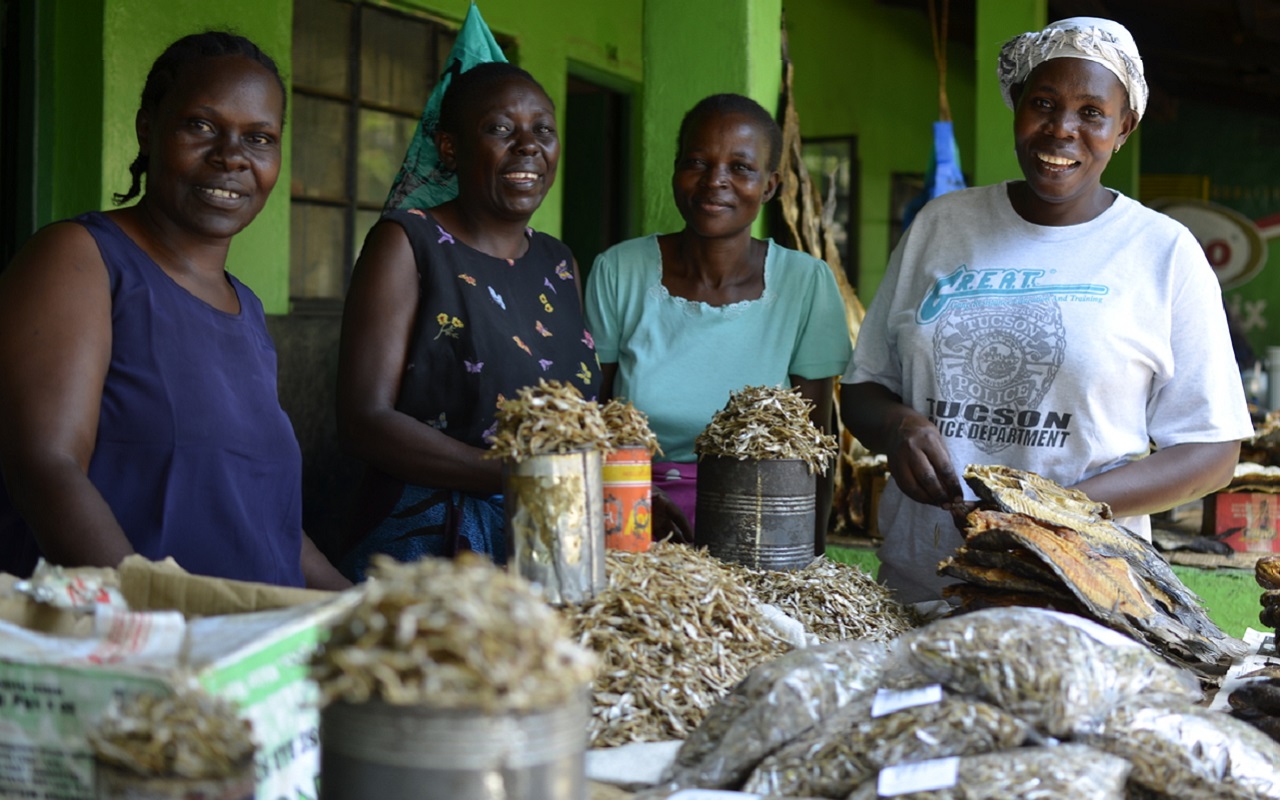
African inland fisheries are increasingly reliant on the capture of small fish species that are sundried and traded over long distances. They make an important contribution in alleviating “hidden hunger”: consumed whole, small fish are an important source of micronutrients. Only that, unfortunately, politicians haven’t yet realised this.
What are the consequences of using synthetic pesticides in agriculture? Where do they help, where do they harm? Lena Luig, expert for the development policy organization INKOTA, and science journalist Ludger Weß discuss this controversial topic of international scope.
A contribution by Jes Weigelt and Alexander Müller
What is required to make food systems provide sufficient, healthy food while not harming the planet? How should food security be maintained given the threat posed by climate change? Our authors look at some aspects of tomorrow’s food systems against the backdrop of the corona crisis.
Freshwater deficits are affecting more and more people throughout the world. In order to counter this, our global food system will have to change, our author maintains. A case for more research on alternative crops and smart water solutions.
A contribution by Kerstin Weber and Brit Reichelt-Zolho (WWF)
Biodiversity and sustainable agriculture ensure the nutrition of whole societies. But there is more: These two factors also provide better protection against the outbreak of dangerous pandemics. Hence, the question of preserving ecosystems is becoming a global survival issue.
A contribution by Dr. May Hokan and Dr. Arnulf Köhncke (WWF)
Due to the coronavirus crisis, the connection between human and animal health has gained new attention. Politicians and scientists are joining forces to propagate the solution: One Health. But what is behind the concept? And can it also guarantee food security for all people worldwide?
Double interview with Tony Rinaudo and Volker Schlöndorff
Tony Rinaudo uses conventional reforestation methods to plant millions and millions of trees – and Volker Schlöndorff is filming a cinema documentary about the Australian. The outcome so far: An educational film on behalf of the BMZ (Federal Ministry for Economic Co-operation and Development).
Insect farming is economical and environmentally sustainable, they are high in protein and they live on agricultural waste. Marwa Abdel Hamid Shumo thinks: They are the best weapon to combat hunger
A contribution by Nadine Babatounde and Anne Floquet (MISEREOR)
To prevent malnutrition among young children and strengthen the role of women in their communities, Misereor, together with the local non-governmental organisation CEBEDES, is implementing a programme on integrated home gardens in Benin - a series of pictures.
Stig Tanzmann is a farmer and adviser on agricultural issues at ‘Bread for the World’. Jan Rübel interviewed him about his reservations about AGRA's strategy.
The Cashew Council is the first international organisation for a raw material stemming from Africa. The industry promises to make progress in processing and refining cashew nuts - and answers to climate change
A contribution by Michael Windfuhr (German Institute for Human Rights)
Land rights are no longer governed by the law of the strongest. That is what the international community has agreed to. Governments and private companies have a duty to respect human rights and avoid corruption.
A contribution by Roselyn Korleh and M. Sahr Nouwah (WHH)
The Liberian town of Kinjor is a picture-book example for what happens, if land rights aren’t protected, and it illustrates how to move forward from there. The keyword: Multi-Actor Partnership
It began with clicks at a trade fair and ends with concrete reforestation: a campaign at the Green Week in Berlin is now enriching the forests of the Yen Bai Province in Vietnam. A chronicle of an education about climatic relevance to concrete action - and about the short distances on our planet.
A report by Alexander Müller and Jes Weigelt (TMG)
As the climate changes, the population of Africa is growing and fertile land and jobs are becoming scarcer. New ways are currently leading to urbanisation of agriculture and a new mid-sized sector in the countryside
A contribution by Michael Brüntrup (DIE) und Daniel Tsegai (UNCCD)
Droughts are the natural disasters with far-reaching negative consequences. While rich countries are still vulnerable to drought, famines are no longer found.
In the tropics rainforests are still being felled for the production of palm oil, meat and furniture. It is high time to act. Proposals are on the table.
Nutrition experts from all over the world are coming together in Rome. They are not only distilling 2000 ideas to improve food systems - they are also preparing for the big UN summit in New York in September. An interview.
Journalist Jan Rübel spoke with Joao Campari ahead of the UNFSS Pre-Summit. The Chair of Action Track 3 highlights key challenges in transforming existing food systems towards sustainable production and shares his expectations for the Summit.
In this article, the author describes what we know about interlinkages, what role agriculture has to play in the sustainable use and conservation of biodiversity, and what the necessary changes in agricultural systems might look like, both on small and large-scale farms.
A contribution by Dr. Karin Gaesing and Prof. Dr. Frank Bliss (INEF)
Especially in densely populated areas, land pressure leads to overexploitation of available land and a lack of conservation measures. The West African country of Benin, with heavily depleted soils in many places, is no exception.
A Contribution by Emile Frison and Nick Jacobs (IPES-Food)
While having failed to solve the hunger problem, industrial agriculture appears to be causing additional ones both in environmental and health terms. Emile Frison and Nick Jacobs call for a transformation.
Fish is important for combating malnutrition and undernourishment. But it is not only notable for its nutritional value, but also secures the livelihoods and employment for 600 million people worldwide.
"One World no Hunger" (SEWOH) becomes one of the five core themes of the BMZ. Dirk Schattschneider, SEWOH Commissioner about previous approaches, future areas of action, and the political will to end hunger.
Every one degree Celsius rise in temperature increases the risk of conflict by two to ten percent. The climate crisis is a humanitarian crisis, as the photos by Christoph Püschner and Frank Schultze illustrate.
A Contribution by the Forestry Research Institute Nigeria
The 'Domestication of Small Monogastric and Ruminant Animals' (DSMR) project led by a Nigerian research institute works with local communities to solve the bushmeat crisis.
Healthy, productive soils are a prerequisite for global food security – one of the priorities of German development cooperation. State Secretary Jochen Flasbarth on Germany’s efforts to support sustainable land management and why the VGGT are more important than ever today.
How to maintain functioning food markets in global food supply chains in the face of vulnerability and disruption? Markets that support local and territorial food systems are part of the solution. Thomas Forster presents proposals for these markets to cope with future shocks.
How can the challenges related to water, rural development and climate resilient agriculture be addressed? What innovations need to be promoted? The Water and Energy for Food (WE4F) initiative presents strategies and innovations for sustainable, integrated water management in German and international cooperation.
Regarding deforestation free supply chains, there are challenges and opportunities for smallholder farmers as well as for international forest governance. Also, responsibilities for companies and potential incentives for manufacturers to use materials from fair trade and sustainable sources need to be explored. But what does “deforestation-free” actually mean?
The oceans are important for our food supply, but they are overfished. To halt this trend the global community is now taking action against illegal fishing. Journalist Jan Rübel spoke with Francesco Marí, a specialist for world food, agricultural trade and maritime policy at "Brot für die Welt," and others.
Interview with Caroline Milow and Ramon Brentführer
Groundwater resources remain dormant in the soil of African regions. Where does it make sense to use them – and where does overexploitation of nature begin? Caroline Milow (GIZ) and Ramon Brentführer (BGR) talk about potentials in the future and lessons from the past.
Roughly 800 million people suffer from hunger worldwide. Change is needed - for people and for the environment. Brot für die Welt reports on the starting points offered by everyone's ecological footprint and handprint.
Recycling organic waste into soil amendments and animal feed through a transdisciplinary approach – this is what the RUNRES project, launched in four sub-Saharan African countries four years ago, seeks to achieve. Three of the project's scientists report.
The textile industry contributes significantly to environmental pollution as it produces over 100 billion garments every year, resulting in huge CO2 emissions and water consumption. Fashion designer Paul Kadjo uses banana silk as an environmentally friendly alternative to make textile production more environmentally conscious and socially just.
Every second, worldwide, we lose valuable and healthy soil with the size of four football fields. This was only one of the many facts being presented to a wide audience in Bonn and worldwide via livestream at the World Desertification and Drought Day on 17th June 2024. This was the 30th anniversary of the United Nations Convention on Combatting Desertification (UNCCD), which was celebrated at the Bundeskunsthalle in Bonn.
The Nyayo Tea Zones Development Corporation is committed to the preservation of forests in Kenya: The establishment of so-called buffer zones counteracts deforestation by planting trees and tea. In addition to the production of environmentally friendly tea, the project benefits the resources of the forests and the livelihoods of the communities living near the forests, says project manager Wallace Gichunge.
Diversifying our protein supply to include plant-based foods and cultivated meat can be a game-changer for climate mitigation and climate adaptation, especially in the countries of the Global South. However, a great deal of research is still required to capitalise on this potential. And political support, as Ivo Rzegotta, Good Food Institute, demonstrates.
At the Nutrition for Growth 2025 Summit in Paris, Team Europe, comprising the European Commission and Member States, put nutrition at the centre of international politics as a driver for resilience, equality and human rights. There is a consensus on the results of the summit: to turn commitments into concrete progress through strong partnerships and innovative approaches.
The global fight against malnutrition needs more than just words - as demonstrated by the Nutrition for Growth summit in Paris. With comprehensive commitments and clear receivables, a signal has been sent: Healthy nutrition must become a global priority. But what do participants from countries such as Yemen and Timor Leste think?
Climate change, shrinking grazing lands and a lack of investment are putting increasing pressure on pastoralist communities in Kenya. Jacinta Sajila Pamita, herself Maasai and working for IMPACT Kenya, calls for greater participation of Indigenous communities, more investment in locally led solutions and greater recognition of traditional knowledge. As she says, sustainable development begins when the people on the ground have a say in shaping it.
Insurance companies could provide protection during droughts in Africa. How exactly this could be done is what the industry is currently trying to figure out. First experiences are available. An interview with the Managing Director of the Munich Re Foundation, Thomas Loster
The Global Hunger Index (GHI) 2020 shows that the world is not on track to meet the international goal of “zero hunger by 2030”. If we continue at our current speed, around 37 countries will not even have reached a low hunger level by 2030.
110 speakers from 120 countries met virtually at the Global Forum for Food and Agriculture (GFFA) to discuss the challenges to global food supply. They asked the question: How can food systems support the health of people and the planet?
In August, Germany’s development ministry set up a division concentrating on One Health topics. Parliamentary State Secretary Maria Flachsbarth on knowledge gaps at the human-animal-environmental interface, the link between One Health and food security, and lessons learnt from previous pandemics.
From the lab to the masses: Maria Andrade bred varieties of biofortified sweet potatoes which are now widely used all over the continent. She sets her hope on the transformation of African agriculture.
If there is a lack of fertile soil and rain, hunger breaks out quickly. Maria Smentek from the World Food Programme (WFP) explains how farmers and pastoralists can counter climate change with hydroponic-systems.
The majority of producers in developing countries are women. Although they contribute significantly to the food security of their families, they remain chronically disadvantaged in male-dominated agriculture in terms of access to land, credit, technology and education.
Interview with Bernadette Arakwiye und Salima Mahamoudou (World Resources Institute)
Deforestation is leading to a shortage of ressources. What are the options for counteracting? A conversation with Bernadette Arakwiye and Salima Mahamoudou about renaturation and the possibilities of artificial intelligence.
A report by Bettina Rudloff and Annette Weber (SWP)
The Corona-Virus exacerbates existing crises through conflict, climate, hunger and locusts in East Africa and the Horn of Africa. What needs to be done in these regions? To face these challenges for many countries, all of these crises need to be captured in their regional context.
Climate change is destroying development progress in many places. The clever interaction of digitalisation and the insurance industry protects affected small farmers.
A study by the World Bank predicts that millions of people in sub-Saharan Africa will have to leave their homelands because of climate change. We have spoken with one of the authors
Adaptation to climate change can be achieved by making agriculture more environmentally sustainable – if the rich countries also reduce their emissions
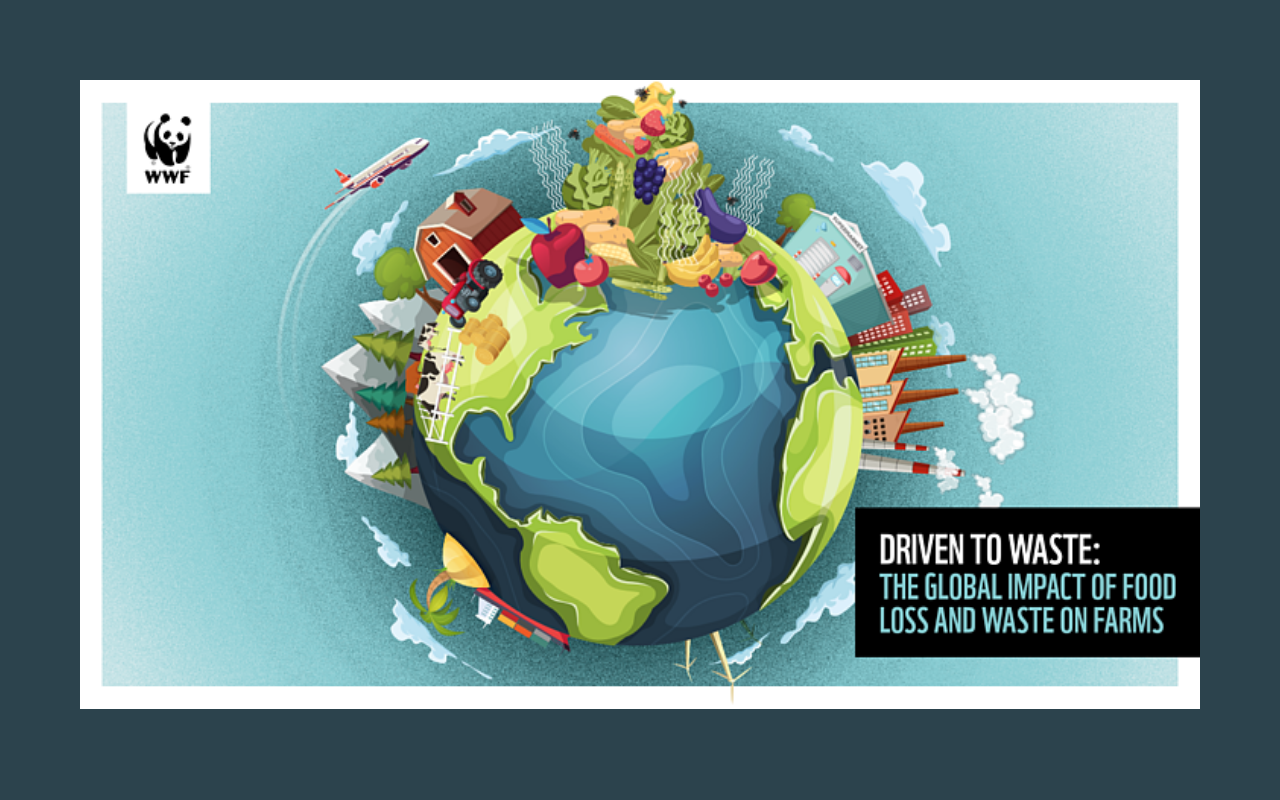
The WWF has published a sensational study on food waste. The focus: farm-stage food waste. Peter McFeely, Global head of communications and strategic planning at WWF, explains what needs to be done.
Genetically modified bacteria become edible proteins, cows graze on pasture, and no waste is produced in an industrial circular economy. Journalist Jan Grossarth sees a silver lining for the future of world nutrition
Innovate2030 is looking for creative people from around the world to develop smart and innovative solutions against climate change in cities. Initiated by the Make IT-Alliance.
At the climate conference in Glasgow, activists from various groups protested again – Leonie Bremer from ‘Fridays for Future’ was there too. How can climate protection and development cooperation work hand in hand?
The climate crisis fuels world hunger. What needs to change in the global fight against hunger, and which role plays humanitarian aid in international development cooperation?
Climate change already affects the daily lives of people in the Global South. What are the challenges they face and what do these imply for negotiations at the climate conference in Glasgow?
How investing in healthy soils provides incentives for more sustainable agriculture even as it demonstrates the need for far reaching changes in the agrisector.
Indian farmers restore precious soil material combining traditional with innovative approaches. A case example how governance, agriculture and development cooperation can work together to combat climate change.
This year's United Nations World Drug Report highlights for the first time the nexus between illicit drugs and the environment. In view of climate change, it is time to feed the debate with facts and make drug policy greener
Agroecological methods target diversity and resilience and can thus promote the protection of forests, water and soil. Julia Tomalka and Christoph Gornott, Potsdam Institute for Climate Impact Research (PIK), on the potential of agroecology to safeguard against climate change and build resilient agri-food system.
Martin Frick has been director of the WFP office in Berlin for a year – since then one hunger crisis has followed another. What are the diplomat's answers? A conversation about opportunities in agriculture, the interplay of multiple crises, the importance of resilience and tighter budgets.
Nations adopted four goals and 23 targets for 2030 to foster biodiversity conservation and counter acceleration in the global rate of species extinction at the UN Biodiversity Conference (COP15).
Development cooperation needs to place good governance and a sustainable agri-food systems transformation at its center: After the first 100 days in office have passed, Dirk Meyer from the German Development Ministry (BMZ) spells out the goals, guidelines and priorities of the Ministry’s new lead.
A Contribution of the 'Initiative for Sustainable Agricultural Supply Chains' (INA)
Fair Trade organisations and the Initiative for Sustainable Agricultural Supply Chains (INA) have launched the #ichwillfair campaign during COP26 to highlight the link between global supply chains and climate change.
Stephanie Heiland, Project Manager at Sector Project Agriculture and part of this year’s Observer Delegation of the Deutsche Gesellschaft für Internationale Zusammenarbeit (GIZ) at COP27, shares her insights on the role of agriculture and food systems at the climate conference. Among other things, she reports from GIZ’s COP27 side event ‘Climate resilient agriculture and food systems in times of multiple crises and fragility’.
Future generations need more sustainable and stable agri-food systems. But how can this comprehensive transformation succeed and what responsibility does the private sector bear? These questions were the focus of the G7 Sustainable Supply Chains Initiative (G7 SSCI) side event as part of the ‘Champion Youth Action’ day at the 27th UN Climate Change Conference (COP27).
The Federal Ministry for Economic Cooperation and Development sees sustainable agri-food systems as an opportunity to protect the climate, preserve biodiversity and ensure food security in the future. Dirk Meyer, Head of Directorate-General 1 at the Federal Ministry for Economic Cooperation and Development, looks ahead to the upcoming COP27.
The world is facing major challenges that need to be solved. We need to feed an ever-growing population, bring climate change under control and stop the loss of biodiversity. Martina Fleckenstein, Director of Global Policy at WWF, on what is expected from the climate conference in terms of biodiversity and biodiversity conservation.
Women can play a vital role in the change process both when it comes to climate protection and adapting to climate change. But the reality is often still not quite like this: women and girls are particularly badly affected by the climate crisis. Is the topic of gender getting enough attention at the upcoming climate conference? Questions for Bettina Jahn from UN Women Germany.
At LCOY Germany, the local youth climate conference, views on climate protection from all political spectrums are discussed. The Fairactivists, a programme of Fairtrade Germany, participated with a panel discussion on the link between social justice and climate justice.
The CompensACTION Initiative for food security and a healthy planet, launched by the German Federal Ministry for Economic Cooperation and Development (BMZ) in 2022, is gaining momentum. It aims to financially compensate smallholder farmers for their contribution to preserving ecosystems. Initial successes have been achieved in Ethiopia, Lesotho and Brazil.
Iraq suffered many years of war, sanctions and economic crises. However, Ally-Raza Qureshi from the World Food Programme in Iraq sees progress. But now the effects of climate change are becoming apparent in the country. What is to be done?
Journalists Angeline Ochieng and Victor Raballa visited Ms Bilha Munyole, a Kenyan farmer in Kimilili, Bungoma County, on her maize plantation. About the important role of mechanisation in climate-smart agriculture and in building resilience to the impacts of climate change.
Given the urgency of transforming agricultural and food systems, GIZ India's Food Systems and Agroecology Working Group is exploring the potential of agroecology in collaboration with Think20 partners. A policy brief has now been published.
In the West Bank, political tensions and increasingly poor weather conditions are making farming more difficult. What needs to be done? Questions for Abbas Milhem, Executive Director of the Palestinian Farmers Union (PFU).
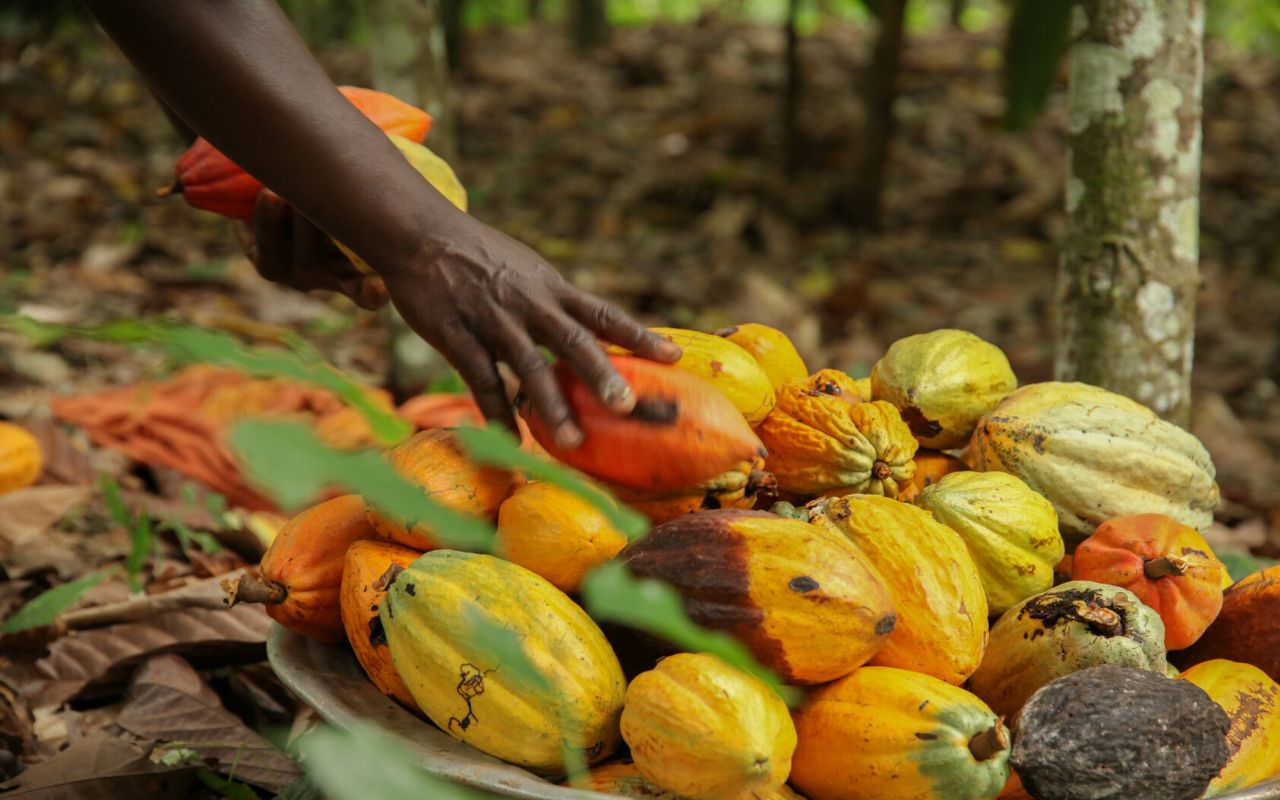
With the annual topic "Earth’s well, all’s well!", Fairtrade Germany is focusing on the concept of agroecology at all levels - and is thus taking the next step towards achieving greater global sustainability. At the Green Week trade fair, Fairtrade Germany will show how this can be achieved taking the cocoa supply chain as an example.
From January 9 to 11, 2025, heads of state and government of the African Union met in Kampala, Uganda. With a clear vision and concrete measures, the Kampala Agenda aims to make the continent's agricultural and food systems climate-resilient, fair and future-proof by 2035.
The bioeconomy movement is fundamentally changing agriculture and food production: through innovative ideas, environmentally friendly approaches and the realization that we need to work together globally to ensure that change truly benefits everyone. At this years’ German Forum for Food and Agriculture (GFFA), the German Federal Ministry for Economic Cooperation and Development (BMZ) focused on this topic.
In May, this year's "Partners for Change – SOILutions for a Food Secure, Resilient, and Sustainable Future" conference took place. Kah Walla, Moderator of the Conference and Director of Strategies!, summarises the discussions and declares that healthy soils are not just the foundation of agriculture, but the cornerstone of a resilient, equitable, and climate-smart future.
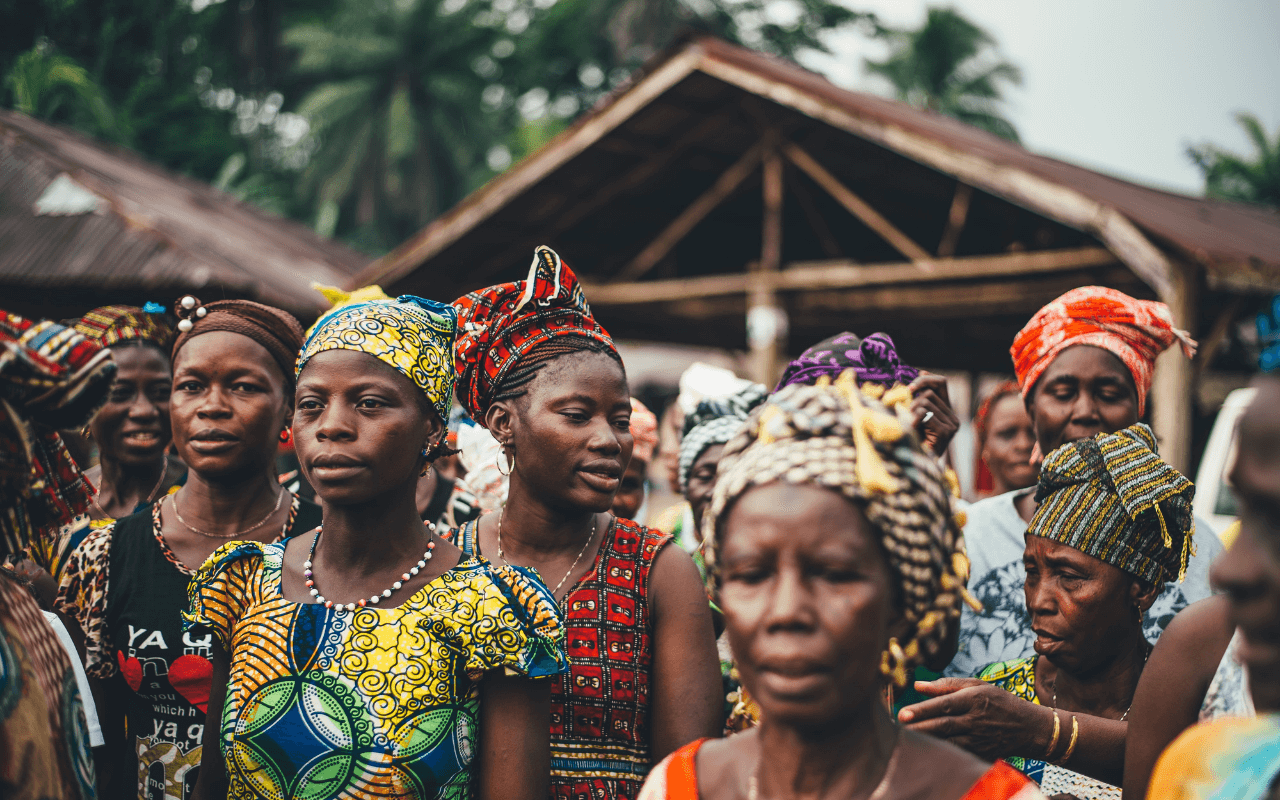
In Mali, women farmers are facing multiple challenges at once. Climate change is degrading land and making natural resources increasingly scarce, while conflict is forcing communities to leave behind their livelihoods. At the same time, women continue to produce food, feed their families and contribute to peace and community development. An interview with Fatoumata Goundou Sissoko, President of the Network of Women for Environmental Rights (REFEDE Mali).
The United Nations plan a Food Systems Summit - and now the Corona-Virus is dictating the agenda. The Chief Economist of the UN World Food Programme takes stock of the current situation: a conversation with Jan Rübel about pandemics, about the chromosomes of development - and about the conflicts that inhibit them.
Countries across Africa coordinate their efforts in the fight against corona by the Centre for Disease Control (CDC) of the African Union in Addis Abeba. Until now, the curve of new infections has been successfully flattened – why? Dr. Ahmed Ouma, Deputy Director, explains the work of CDC in an interview with Tilman Wörtz.
African countries still face huge gender gaps in terms of access to work and capital. What are the consequences of Corona for women in Africa? Jan Rübel interviewed Léa Rouanet on lockdowns and gender-based violence. The economist works at the Africa Gender Innovation Lab of the World Bank.
This is a benchmark for everybody: More rights for women are a very influencing solution in the struggle against extreme poverty and hunger worldwide, says Stephan Exo-Kreischer, Director of ONE Germany. The organisation specialises in political campaigning as a lever for sustainable change.
Lack of seasonal workers and virus explosion in slaughterhouses, rising vegetable prices, climate crisis – all this demonstrates: Our food system is highly productive and (at least for the rich inhabitants of planet earth) guarantees an unprecedented rich and steady food supply - but it is not resilient.
A contribution by Sarah D´haen & Alexander Müller, Louisa Nelle, Bruno St. Jaques, Sarah Kirangu-Wissler and Matteo Lattanzi (TMG)
Young farmers’ insights on the effects of the COVID-19 pandemic on food systems in Sub-Saharan Africa @CovidFoodFuture and video diaries from Nairobi’s informal settlements.
What happens when young people leave the rural areas? How can the region achieve what is referred to as the demographic bonus – and how can it reap the benefits of the demographic dividend? A look at demography shows the following: What is most important is promoting women’s rights and education.
After four years of Donald Trump in the White House, it is time to take stock: What policies did the Republican government pursue in African regions? And what will change in favor of Joe Biden after the election decision? Here is an evaluation.
While Africa is the least affected region by Covid-19 so far, the number of confirmed cases and deaths on the continent is quickly rising. Despite the challenges many African countries continue to face, the African response to the coronavirus pandemic displays innovation and ingenuity.
Even though COVID-19 poses a threat to the health of humanity, the reaction to the pandemic must not cause more suffering than the disease itself. This is particularly relevant for poor developing countries, where the impact of the corona crisis on food security is even more severe!
Corona makes it even more difficult to achieve a world without hunger by 2030. So that this perspective does not get out of sight, Germany must play a stronger role internationally - a summary of the Strategic Advisory Group of SEWOH.
In most African countries, the infection COVID-19 is likely to trigger a combined health and food crisis. This means: In order to cope with this unprecedented crisis, consistently aligning our policies to the Sustainable Development Goals (SDGs) is more important than ever, our author maintains.
A contritbution by Essa Chanie Mussa (University of Gondar)
Rural youth need viable livelihood opportunities to escape out of poverty and realize their aspirations. How could they be helped to fully unleash their potential? This is an aloud call that needs novel strategies among governments, policy makers, and international development partners and donors.
A menstrual health pilot in Rural Malawi empowers rural women in Agribusiness through hygiene products and helps to improve working conditions in rural areas.
How can we reach more people with successful approaches to food security? In Berlin, an international conference organized by the Deutsche Gesellschaft für Internationaler Zusammenarbeit (GIZ) addressed this issue.
Felix Phiri has been Head of the Department of Nutrition, HIV and AIDS at the Ministry of Health in Malawi for almost 20 years. A conversation about constants and change.
Nutrition rarely fails for lack of knowledge, but for lack of structure. In conversation with Dr. Sachin Gupte from PATH, attention turns to the often unseen foundations of food systems – where climate pressures, political frameworks, and economic realities shape what can endure, and what cannot.
As part of the “Let Me Tell You” series, children across Zambia are discovering fun stories that teach the importance of good food and healthy habits such as fish. Let’s dive into one of these tales together…
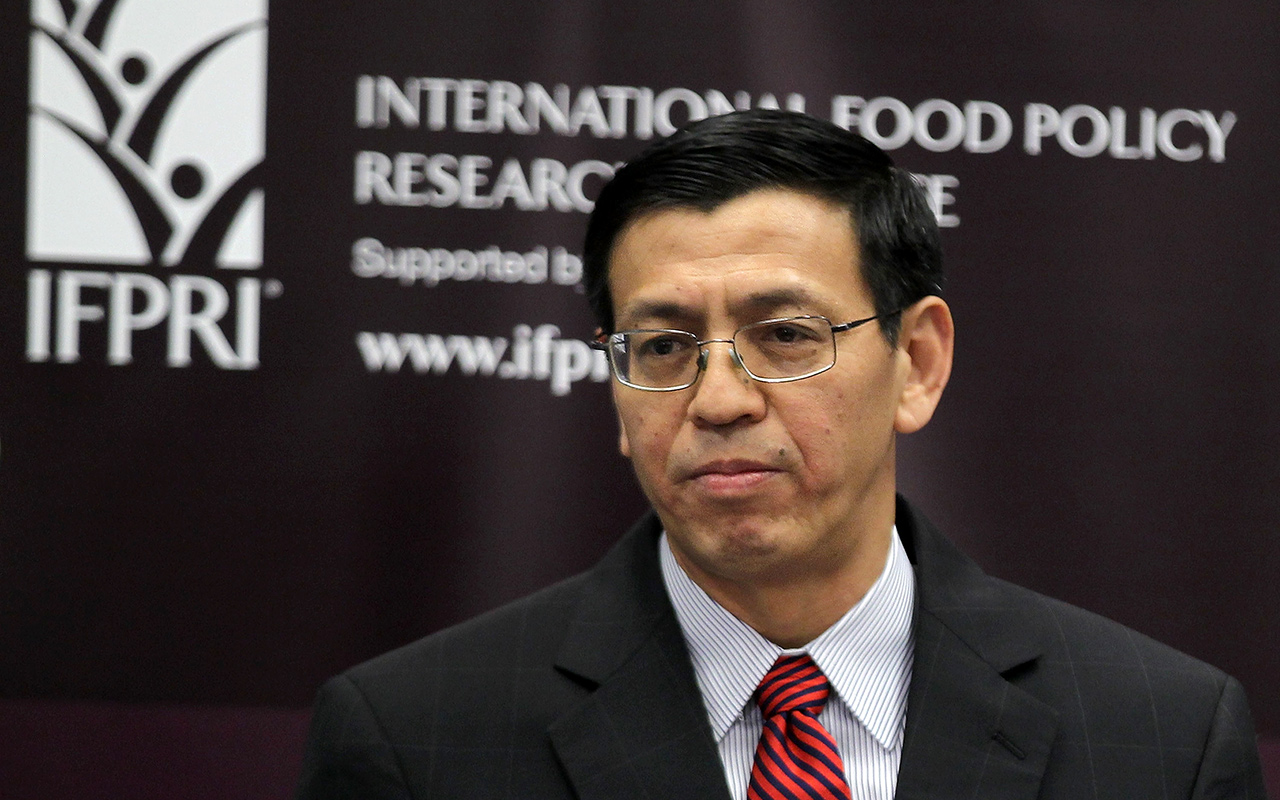
Shortly before ending his position as Director General of the International Food Policy Research Institute (IFPR) Dr. Shenggen Fan talks about the reforms and new modes of operation needed to achieve global food security in the coming decade.
A report by T. S. Jayne, A. Adelaja and R. Mkandawire
Thirty years ago, Africa was synonymous with war, famine and poverty. That narrative is clearly outdated. African living standards are rising remarkably fast. Our authors are convinced that improving education and entrepreneurship will ensure irreversible progress in the region even as it confronts COVID-19.
A quick and cost-effective method calculates living wages and incomes for many different countries. The GIZ together with Fairtrade International and Richard and Martha Anker have developed a tool that companies can use to easily analyse income and wage gaps.
Oxfam’s supermarket scorecard, which is in its third year, shows one thing in particular - it works! Supermarkets can change their business policies and focus more on the rights of those people around the world who plant and harvest food. However, this does not happen without pressure.
Stefan Liebing is chairman of the Africa Association of German Business. The manager calls for a better structure of African farms. Jan Rübel asked him about small farmers, the opportunities for German start-ups and a new fund.
Supporting groups of smallholding women substantially contributes to strengthen rural operations economically. The organisation and associated group activities can help to reduce extreme poverty and improve the food situation.
Besides the well known impacts of Covid19 lockdowns for the adult population, the associated school closures led to 90 percent of the world’s children with no access to schools. However, school meals are in often the only daily meal for children. Without access to this safety net, issues like hunger, poverty and malnutrition are exacerbated for hundreds of millions of children.
Africa has a huge opportunity to make agriculture its economic driver. However, the potential for this is far from being made exhaustive use of, one reason being that women face considerable difficulties in their economic activities. The organisation AWAN Afrika seeks to change this state of affairs.
Three female entrepreneurs from Mozambique, Sri Lanka and Uganda tell their stories about starting organic businesses from scratch, now selling Baobab Oil, Gotukola powder and Shea butter in international markets. And they explain why their business is almost 100 percent female.
When women have control over the resources of a household and manage the income, it usually leads to a more balanced and healthier diet for the family. But often the decision-making power lies with the men. How can this gender inequality be addressed? The GIZ global project Food Security and Resilience provides insights into project work on gender-transformative approaches finances by the Federal Ministry for Economic Cooperation and Development (BMZ).
Agrivoltaics is a concept that combines photovoltaic electricity generation and agricultural production, providing the opportunity for a more efficient land use and contributing overall to the integration of food, energy and water systems. This can be particularly interesting for countries in the Global South, where rural electrification rates are often low and food security needs to be improved.
Africa’s drylands seem to be predestined for generating solar and wind power – especially given the current hype over green hydrogen. However, pastoral communities are often put at a disadvantage in this respect. Our author describes the arising conflicts and what successful coexistence of green energy projects and the communities could look like.
Rose Okello is a Matoke farmer and single mother living in a village near Mbarara, a town in southern Uganda. To ensure that she can pay for her family's food, her children's school fees and other expenses on time, Rose uses various financial services. Her story portrays hurdles but also hope for women in agribusiness.
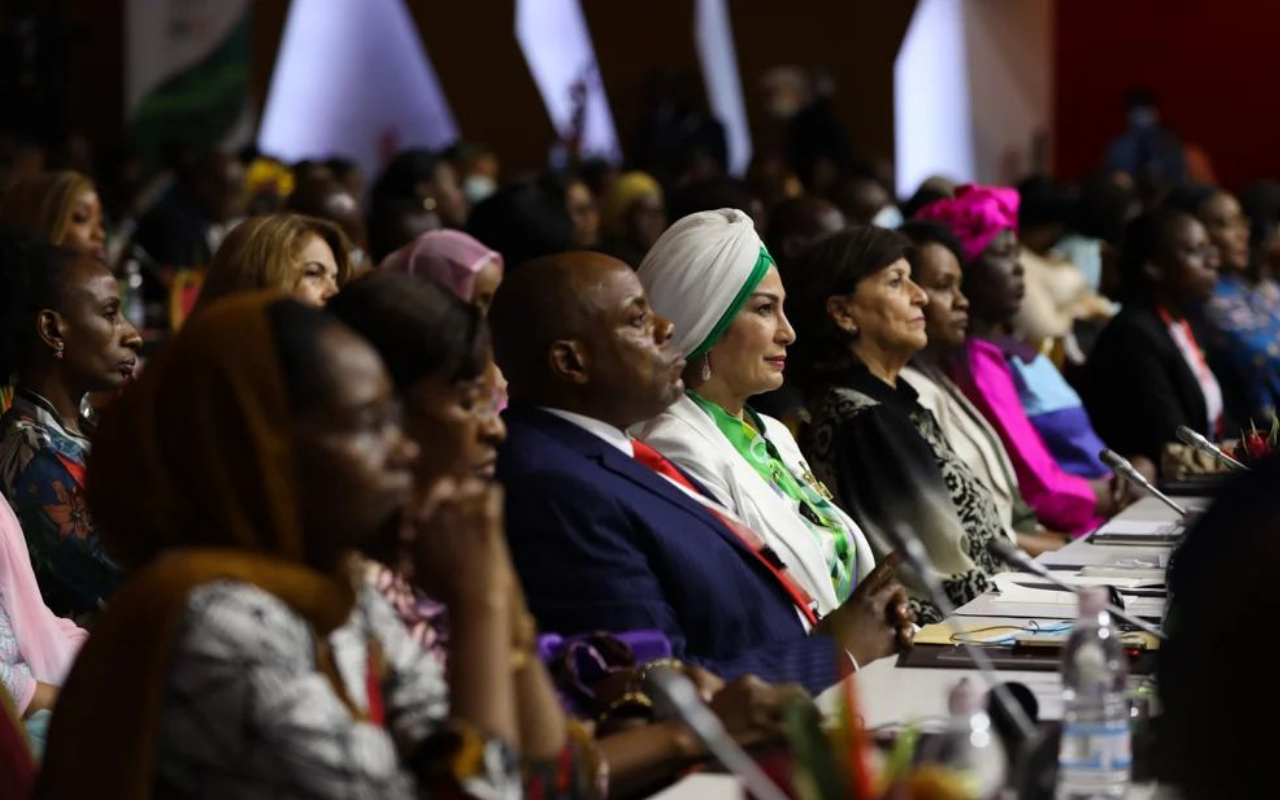
During the Women Leadership Programme in May 2024, around 20 women from African countries and Germany met again for a one-week workshop in Bavaria, Germany to become fit for leadership in their organisations. One topic that concerns the women across countries is climate change, but also violence against women and their discrimination in agriculture.
A Conversation with Carmen Torres Ledezma & Oluwaseyi Kehinde-Peters
Female Leadership is vital to the transformation of agriculture and food systems. Therefore, it is so important to advance gender-sensitive approaches to increase the presence of women in leadership positions in agricultural production and to make these systems more equitable, sustainable and resilient.
Studies show that women often manage agricultural resources more effectively and sustainably. With equal access to production resources, agricultural yields could increase by up tp 30 per cent. But this is about more than just productivity. How can gender-transformative approaches (GTA) drive meaningful change and why are GTA key to sustainable change?
In 2025, GIZ and the Import Promotion Desk (IPD) celebrate ten years of successful cooperation. With their joint stand at BIOFACH trade fair in Nuremberg, they were able to introduce over 300 organic companies of partner countries to the European market. And the journey continues – despite challenges on the global market.
A conversation with Caroline Kayanja, Dr. Eileen Nchanji, & Theresa Herbold
A transformation of agricultural and food systems is not possible without overcoming structural gender inequalities. In this discussion, Caroline Kayanja (UCOBAC), Dr Eileen Nchanji (CIAT) and Theresa Herbold (Ministry of Development) reflect on the key challenges and solutions – from land access and representation to women-led collectives and innovative technologies.
In a new study, the international humanitarian agency CARE analyses how the economic and social barriers faced by women significantly reduces the global gross domestic product (GDP). At the current rate, it will take 152 years to close the economic gap between women and men – although closing this gap would be extremely profitable from an economic perspective.
The rural population and vulnerable groups should be involved in the implementation of the African Union's Kampala Declaration on the transformation of agricultural and food systems. This is the demand of sociologist Lawani Arouna, Vice President of the Regional umbrella organisation of farmers' associations in West Africa (ROPPA).
A Contribution by Carlos Castellanos & Yvonne Bielfeld
The shoe manufacturer Cueros Vélez as a good example of private sector responsibility: the photo gallery shows how the bark of the rubber tree becomes a reliable yet deforestation free companion on our roads.
For everyone in the supply chain to benefit, it is essential that politics and business work together. The measurable successes of such partnerships are demonstrated by the following six projects: they show how cooperation with the business sector can make supply chains fairer, more resilient, and more sustainable step by step.
The International Year of the Woman Farmer (IYWF), launched by the United Nations for 2026, is more than a symbolic moment. It is a political opportunity – and responsibility – for German development cooperation. This is what the Federal Ministry for Economic Cooperation and Development (BMZ) emphasised during Grüne Woche trade fair in Berlin.
Food systems are often reduced to production and trade. Mary Karanu of Welthungerhilfe in Kenya shows that they also reflect social and political orders, shaping power relations, the recognition of labor, and structural vulnerability across smallholder contexts in Africa and global supply chains.
In southern Benin, Julienne processes soybeans into tofu. Rather than relying on subsidies, she has built her own business step by step. Her path shows how local financing, shared risk assessment, and entrepreneurial skills contribute to transforming agrifood systems.
Food systems shape social realities. Whether legal claims can be enforced also depends on access to legal institutions. Camara Castro from the Amka Africa Justice Initiative shows how legal work in Kenya helps reduce the gap between law and lived reality and contributes to making agri-food systems more just.
Climate adaptation, youth empowerment, and food systems intersect with challenging social and political conditions. Lucky Andrianirina illustrates how young people in Madagascar navigate structural barriers, translate global agendas into local action, and understand agriculture as a space of agency and hope.
Disruption or transformation? With the new Strategic Foresight Report for Agriculture and Food Systems, the Deutsche Gesellschaft für Internationale Zusammenarbeit (GIZ) looks into future scenarios of the post 2030 era.
A focus on fragile contexts highlights development policy’s unique contribution to security policy and shows how the special initiative “Transformation of Agricultural and Food Systems“ itself needs to develop further. An article by Jes Weigelt, Head of Programmes at the TMG Think Tank for Sustainability.
Yemen is currently experiencing one of the worst disasters, due to war, hunger and disease outbreaks. The GIZ is locally engaged to improve the nutrition and resilience of Yemenites.
At the beginning of December 2018, AGRA's board of directors met in Berlin. The "Alliance for a Green Revolution in Africa" panel discussed the next steps in their policy of modernizing agriculture. How to go on in the next ten years? One question - many answers from experts.
A study by Markus Hanisch, Agustina Malvido, Johanna Hansmann, Alexander Mewes, Moritz Reigl, Nicole Paganini (SLE)
Post-Covid-19 lockdown: How food governance processes could include marginalised communities - an extract of the results of an SLE study applying digital and participatory methods.
The Global Agriculture and Food Security Program (GAFSP) was launched by the G20 countries in 2010 in response to the 2008-09 food price crisis to increase both public and private investment in agriculture. An overview of the programme's approach, results and impact.
Interview with Martina Fleckenstein (WWF), Michael Kühn (WHH) and Christel Weller-Molongua (GIZ)
After the summit means pre-summit: It was the first time that the United Nations held a summit on food systems. Martina Fleckenstein, Michael Kühn and Christel Weller-Molongua reviewed the situation in this joint interview.
From a circular food system in Rwanda to functioning cooled transports in Kenya: The lab of tomorrow addresses development challenges such as preventing food loss and waste
The Corona pandemic is hitting economies around the world very hard - but developments in African countries are quite diverse. There are different speeds, resiliences and vulnerabilities. What are the reasons for this? Apl. Prof. Jann Lay of the GIGA Institute provides answers.
A Contribution by Dr. Fatima Olanike Kareem and Dr. Olayinka Idowu Kareem
High agricultural prices affect developed and developing countries alike, but the problem is aggravated for the latter through the lack of or inadequate resilience measures. Dr. Fatima Olanike Kareem, AKADEMIYA2063, and Dr. Olayinka Idowu Kareem, University of Hohenheim, explain what can be done to mitigate the negative effects on food security.
The world is currently experiencing a historic food crisis. High fertiliser prices are part of the problem. In addition to the necessary short-term aid measures, the crisis ought to be made use of to develop and implement longer-term fertiliser strategies for sustainable, in particular smallholder increases in production in the Global South.
Women and girls in poorer countries are affected in particular ways by the multiple crises the world is currently facing. Uncovering the linkages between gender, resilience and food security, experts from International Food Policy Research Institute (IFPRI) look at ways to support women and girls’ capacity to respond to crises.
Cities play an important role in the transformation of food systems. But what exactly are the potentials and challenges? A three-way discussion between Ruth Okowa (Gain), Delphine Larrousse (World Vegetable Center) and Conrad Graf von Hoyos (GIZ).
Africa’s largest youth generation has the potential to transform agriculture sustainably. Young entrepreneurs like Febelsa in Mozambique are building agricultural businesses that fuel local growth.
With a simple but effective idea to combat malnutrition: in Nairobi, Fabio Rappenecker and his start-up TenX Nutrition produce mandazi, which become a real power biscuit thanks to added micronutrients. The aim is to strengthen food security through local, affordable and healthy food.
A Conversation with Dr. Huyam Salih, Monica Yator and Jacob Lekaitogo
Rangelands cover up to 54% of the global land surface – and pastoralism is one of the eldest forms of land use – yet it is rarely discussed . Now the UN has declared 2026 the International Year of Rangelands and Pastoralists. What prompted the organization to do that and what do pastoralists really need? Three experts share their insights.
The lockdown due to COVID-19 hit the economy hard - including agriculture in particular with its supply chains and sales markets. What creative coping strategies have those affected found? The Seminar for Rural Development has begun a research study on th
In March 2022, the virtual conference ICTforAg summons leading actors in the agrartechnology and food sector from low- and middle-income countries to exchange ideas advancing resilience, nutrition and agriculture-led growth.
Based on a scientific study by TMG Think Tank, the authors highlight various challenges in the fight against the hunger crisis. The findings show that climate change, conflict and covid-19 are increasing food and energy prices.
Four interviews kick off the relaunch under the new name „Food4Transformation“, asking the same questions from different perspectives. "Women and young people need access to land. And they need financial support to cultivate this land." - says Kolyang Palebele, President of the Pan African Farmers Organisation (PAFO).
Organic cotton is extremely popular – but farmers still find it difficult to change their conventional cultivation methods. A new project addresses this dilemma: Bundesliga football teams in Germany are promoting the switch to organic cotton in India. And thereby setting an example.
Germany joins the international Agroecology Coalition, reinforcing its commitment to fair, sustainable agriculture and ensuring the future viability of rural areas. By adopting a holistic approach, agroecology is helping to address the greatest challenges of our time: protecting the climate, combating hunger and preserving biodiversity.
The demand for fair-trade cocoa is growing – but how is the industry responding? In an interview, Claudia Brück, Executive Board Member of Fairtrade Germany, and Dr. Torben Erbrath, Managing Director of the Federal Association of the German Confectionery Industry, discuss progress as well as challenges, and why real change can only be achieved through long-term commitment along the entire supply chain.
We use cookies on our website. Some of them are essential, while others help to improve your user experience. Your consent is voluntary and can be revoked at any time on the "Privacy" page.
Protects against cross-site request forgery attacks
Retention period: This cookie remains only for the current browser session.
Saves the current PHP session.
Retention period: This cookie remains only for the current browser session.
Content from third-party providers, such as YouTube, which collect data about usage. Third-party content embedded on this website will only be displayed to you if you expressly agree to this here.
Provider: Google Ireland Ltd., Gordon House, Barrow Street, Dublin 4, Ireland
Retention period: Here you can learn more about the storage period of the cookie: https://policies.google.com/privacy.
Provider: Vimeo, Inc. / 555 West 18th Street New York, New York 10011, USA
Retention period: Here you can learn more about the storage period of the cookie: https://vimeo.com/privacy.
We use Matomo analytics software, which collects anonymous data about website usage and functionality to improve our website and user experience.